Category: Medications - Page 4
Proton Pump Inhibitors: Long-Term Risks and When to Stop
Proton pump inhibitors (PPIs) are effective for acid reflux, but long-term use carries real risks like bone fractures, kidney issues, and nutrient deficiencies. Learn when to stop and how to do it safely.
Detail
Generic Drug Shortages: Causes and How They Limit Patient Access
Generic drug shortages are disrupting care across the U.S., with sterile injectables and low-margin medications most affected. Learn why they happen, who's impacted, and how the system is failing patients.
Detail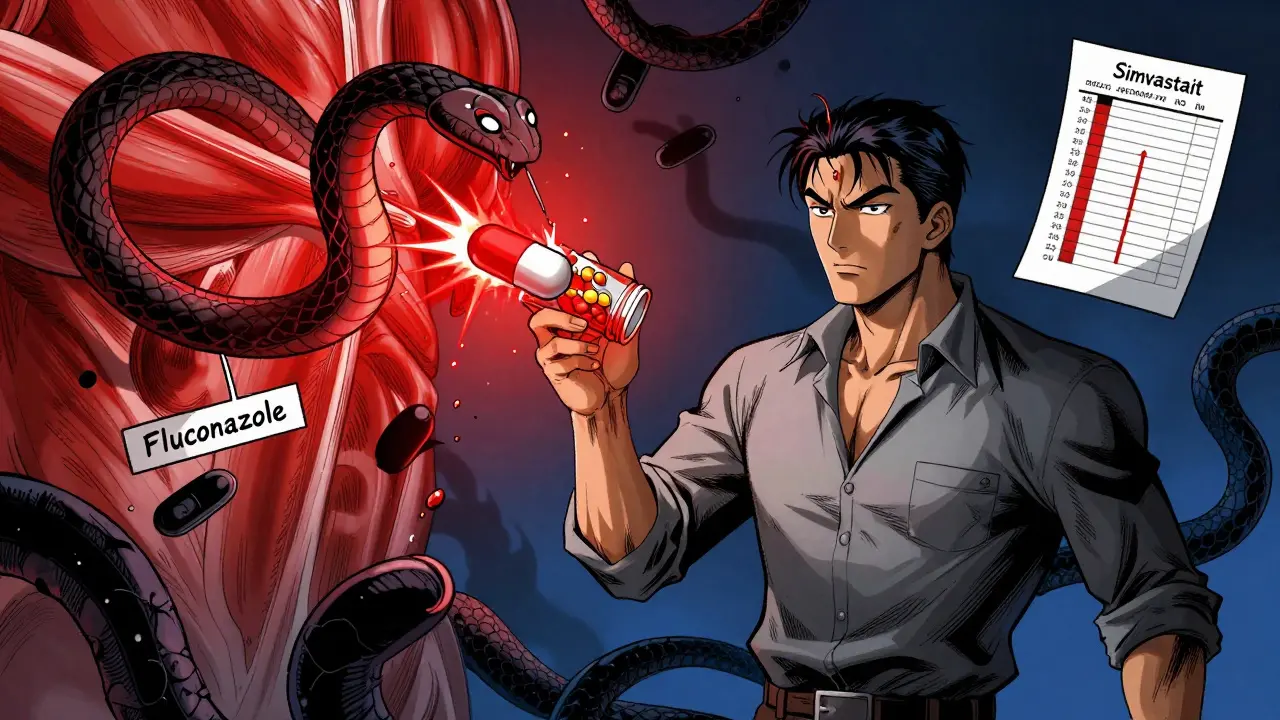
Drug Interactions Discovered After Approval: What You Need to Know
Many dangerous drug interactions aren't found until after a medication is widely used. Learn how post-market surveillance catches hidden risks like statin-antifungal clashes and grapefruit dangers - and what you can do to stay safe.
Detail
How to Use Text Message Reminders for Medication Schedules
Text message reminders can significantly improve medication adherence when personalized and timed correctly. Learn how to set them up, avoid common mistakes, and choose the right system for your needs.
Detail
How to Use a Drug Interaction Checker Tool Effectively
Learn how to use a drug interaction checker tool safely and effectively to avoid dangerous medication combinations. Know which tools are accurate, what they can't detect, and why you still need a pharmacist.
Detail
Mirtazapine Sedation: How Bedtime Dosing Controls Daytime Drowsiness
Mirtazapine helps with sleep and depression, but daytime drowsiness is common. Learn why lower doses (7.5-15 mg) at bedtime work best, how to reduce grogginess, and why higher doses often backfire.
Detail
Insurance Protections Against Counterfeit Drugs: What Coverage Really Includes
Counterfeit drugs threaten patient safety and cost billions annually. Insurance can protect companies in the supply chain - but only if they follow strict verification practices. Learn what coverage really includes and how to stay safe.
Detail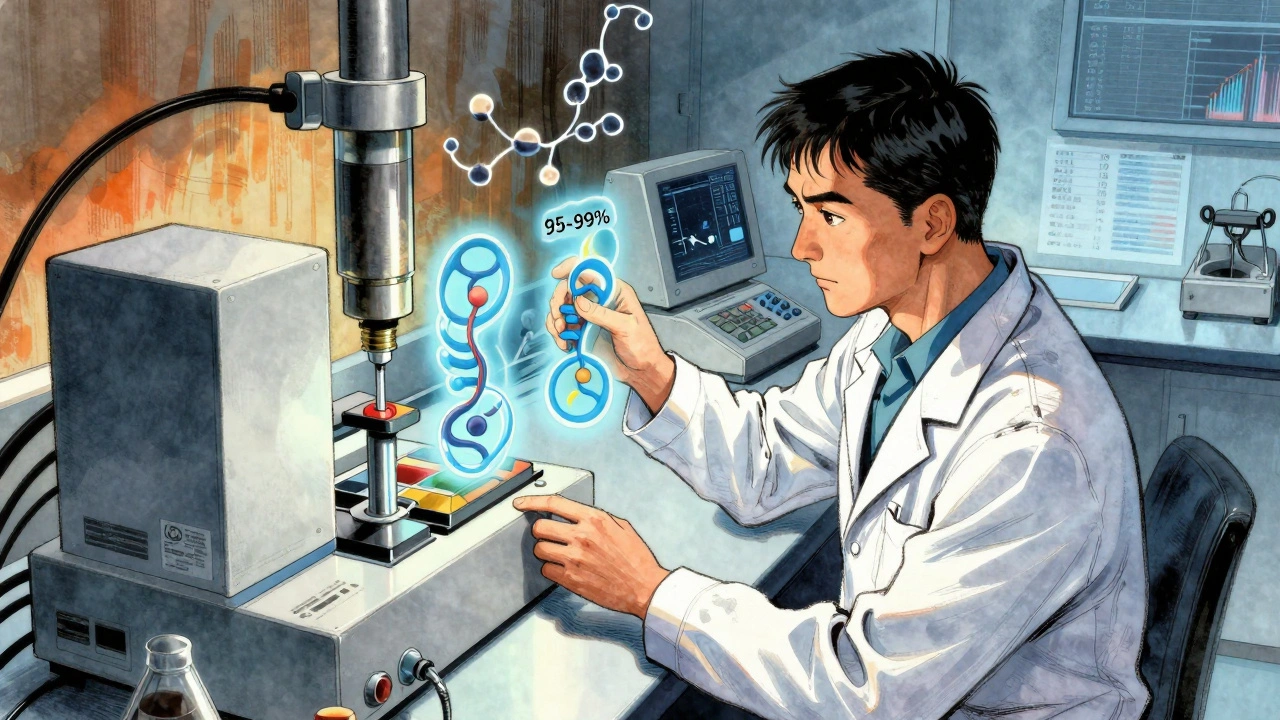
FDA Listing for Biosimilars: How They Are Evaluated and Approved
The FDA doesn't rate biosimilars like generics - it rigorously evaluates them for high similarity and no clinically meaningful differences. Learn how the approval process works, what 'interchangeable' means, and why biosimilars are safe and cost-effective.
Detail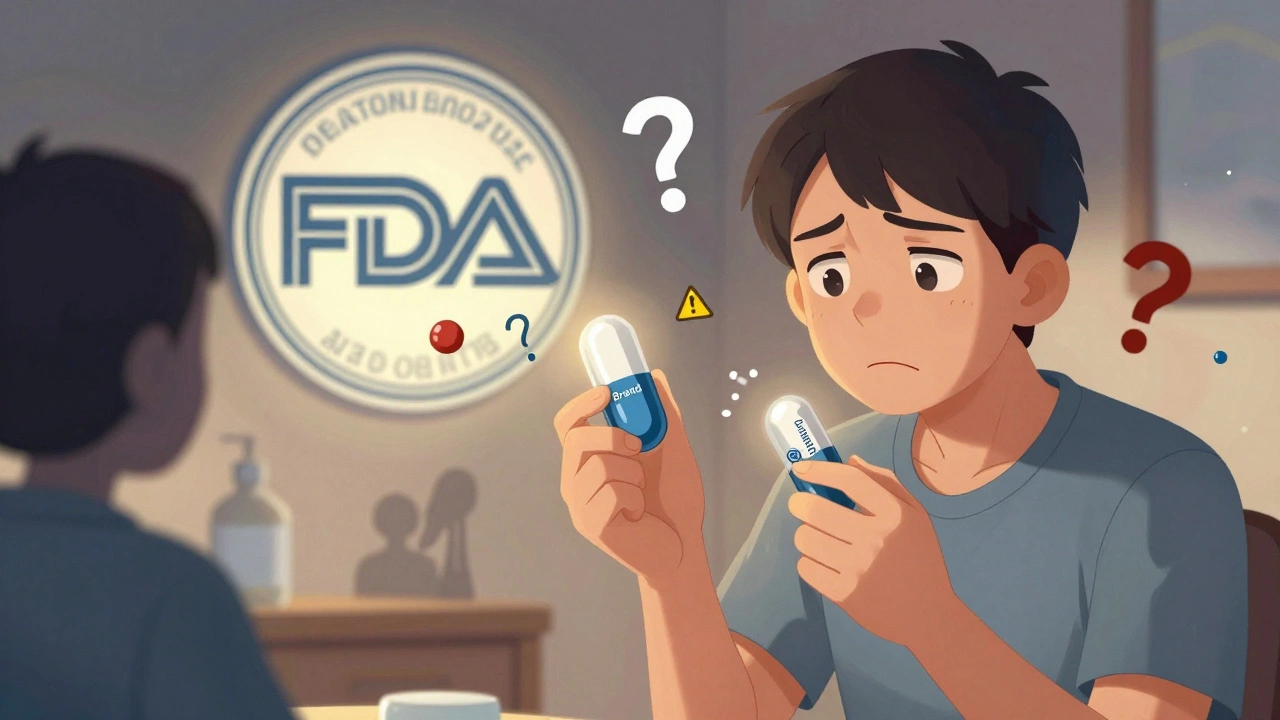
Drug Interaction Issues: When Generics Interact Unexpectedly
Generic drugs are just as safe as brand-name versions, but misconceptions about interactions persist. Learn why some people feel different after switching - and how to stay safe without overpaying.
Detail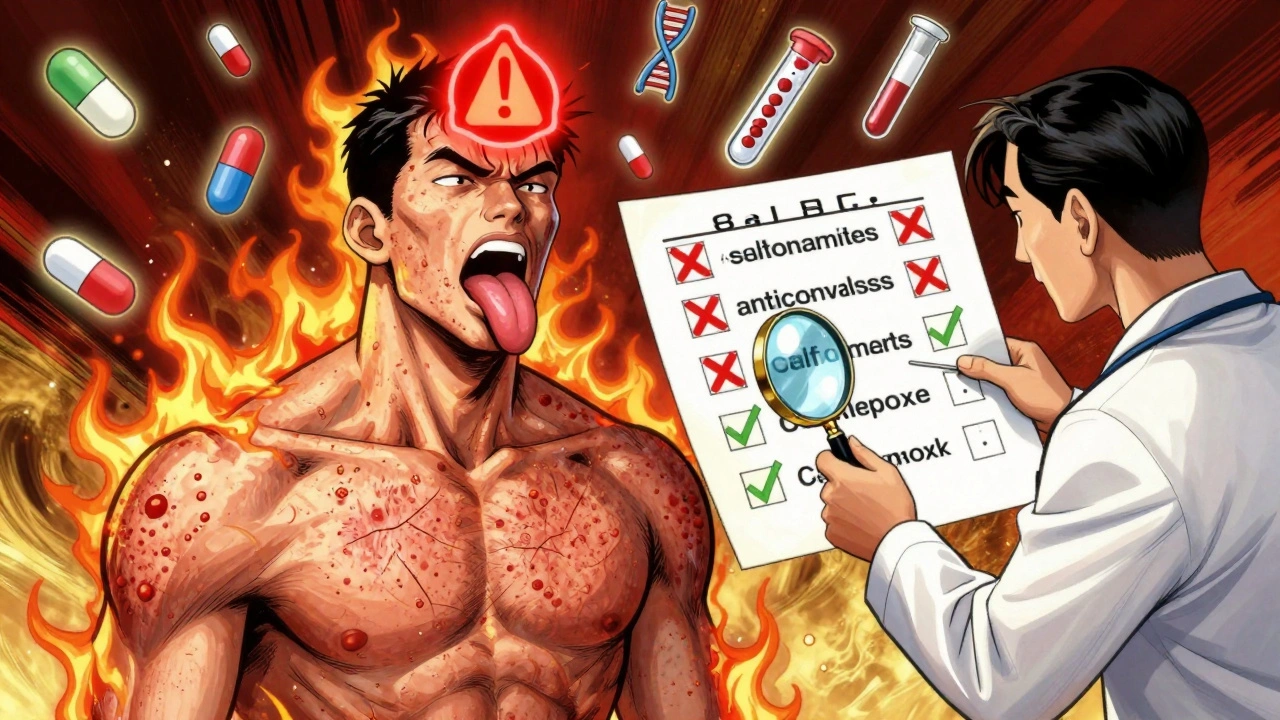
When to Avoid a Medication Family After a Severe Drug Reaction
After a severe drug reaction, you may need to avoid an entire medication family-but not always. Learn when cross-reactivity is real, when it’s a myth, and how to get tested to avoid unnecessary restrictions.
DetailRelated Posts