
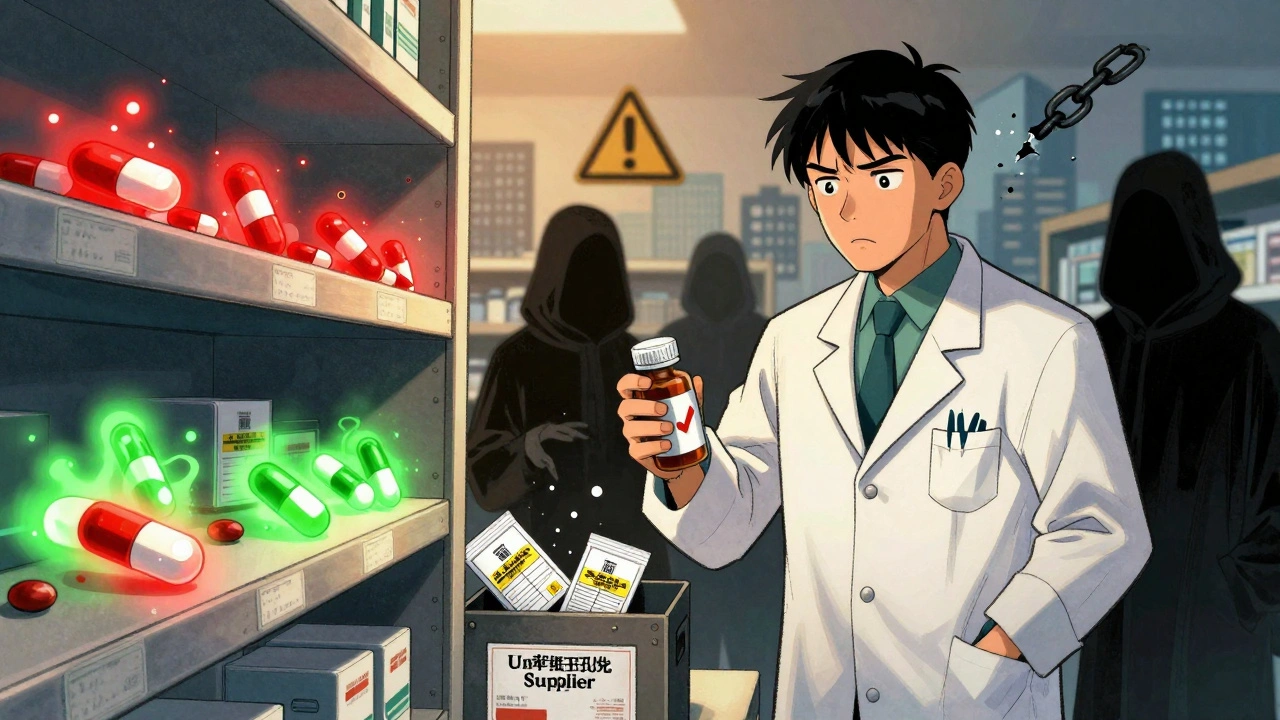
When you buy medicine, you expect it to work. You don’t expect it to be fake. But counterfeit drugs are more common than most people realize - and the risks aren’t just theoretical. A pill that looks like your prescribed treatment could contain nothing but flour, toxic chemicals, or the wrong dose. The consequences? Hospitalizations, long-term damage, even death. And when something goes wrong, who pays? That’s where insurance comes in - but not everyone understands what it actually covers.
What counts as a counterfeit drug?
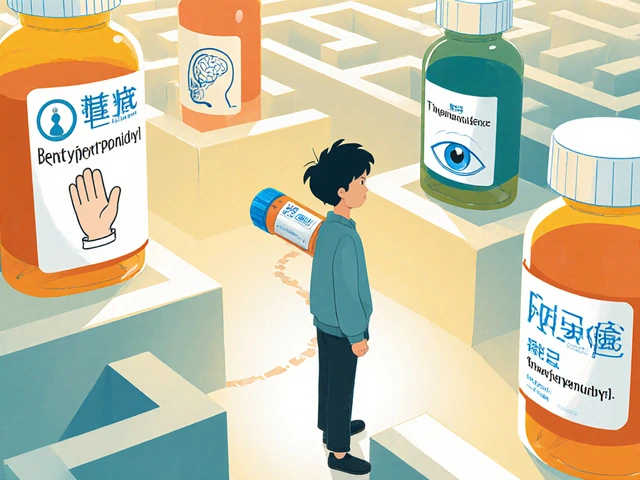
The World Health Organization defines falsified medicines as products that deliberately misrepresent their identity, composition, or source. This isn’t just about fake packaging. It includes pills with no active ingredient, wrong dosage, contaminated batches, or fake brand names. Cancer drugs like Avastin, Gleevec, and Keytruda are among the most commonly faked because they’re expensive and in high demand. A counterfeit version might look identical, but instead of saving a life, it could kill it.How do fake drugs get into the supply chain?
Counterfeit drugs don’t appear out of nowhere. They slip in through broken links in the global supply chain. A distributor in one country buys from an unverified supplier. A pharmacy orders online from a site that looks legitimate but isn’t. Even hospitals can be tricked if their procurement systems aren’t locked down. The Drug Supply Chain and Security Act (DSCSA), passed in 2013 and fully implemented by November 2023, was meant to fix this by requiring electronic tracing of prescription drugs from manufacturer to pharmacy. But as industry experts point out, no system can catch every fake pill. There are too many moving parts, too many borders, too many shady players.What insurance covers - and what it doesn’t
Most companies in the pharmaceutical supply chain - manufacturers, distributors, wholesalers, pharmacies - carry product liability and errors and omissions (E&O) insurance. But here’s the catch: insurance only kicks in if you didn’t know you were handling fake drugs. If you bought from a shady vendor, ignored red flags, or skipped basic verification checks, your claim will likely be denied. Coverage typically includes:- Legal defense costs if a patient sues after taking a counterfeit drug
- Settlements or judgments from injury claims
- Recall expenses if you’re forced to pull products from shelves
- Loss of income during a supply disruption
- Intentional fraud - if you knowingly sold fakes
- Failure to follow industry standards - like not using serialization or verification tools
- Losses from online sales you didn’t monitor
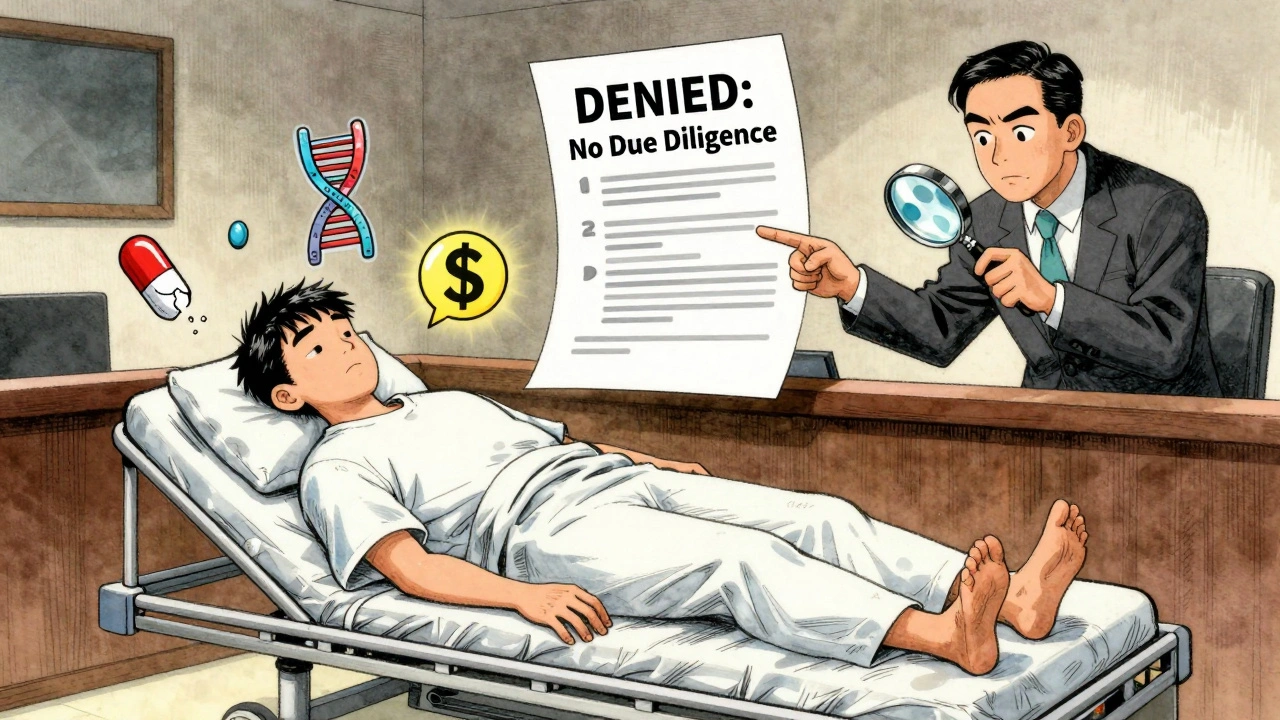
Real-world damage from fake drugs
It’s not just about money. In 2014, a batch of counterfeit Avastin (bevacizumab) was distributed to cancer patients in the U.S. The fake version had no active ingredient. Patients didn’t respond to treatment. Some病情恶化. That’s when lawsuits started flying - and insurance had to step in. A 2014 study in PubMed found counterfeit drugs don’t just harm patients - they also waste consumer income and hurt innovation. Why invest in new drugs if someone’s just going to copy them and sell them for pennies? The global counterfeit drug market is estimated at $200 billion a year, according to Bristol Myers Squibb. That’s not a typo. $200 billion. And it’s growing.How companies fight back - and why it matters for insurance
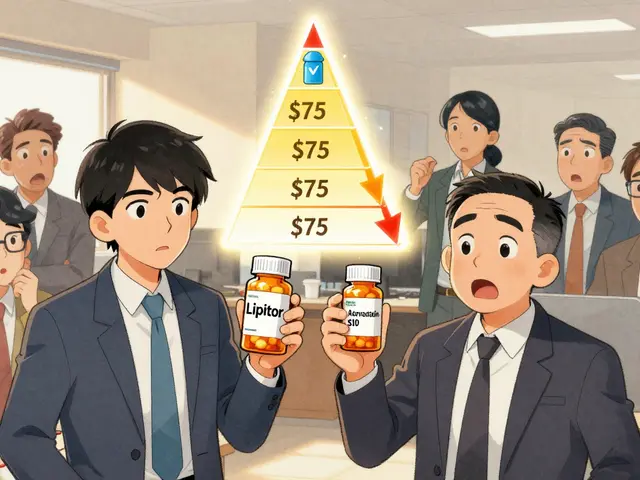
Some companies aren’t waiting for insurers to solve this. They’re taking action. Bristol Myers Squibb runs a team that scans millions of webpages daily looking for their drugs being sold illegally. They shut down 93% of the fake sites they find. Sanofi has a dedicated anti-counterfeit lab that analyzes suspect products. Pfizer has helped prevent over 302 million counterfeit doses from reaching patients since 2004. These aren’t just good PR moves. They’re risk management strategies that directly affect insurance premiums. Insurers reward companies that invest in detection tools, verification systems, and employee training. One insurer told me - off the record - that a client with a real-time monitoring system and lab testing got a 25% discount on their E&O policy.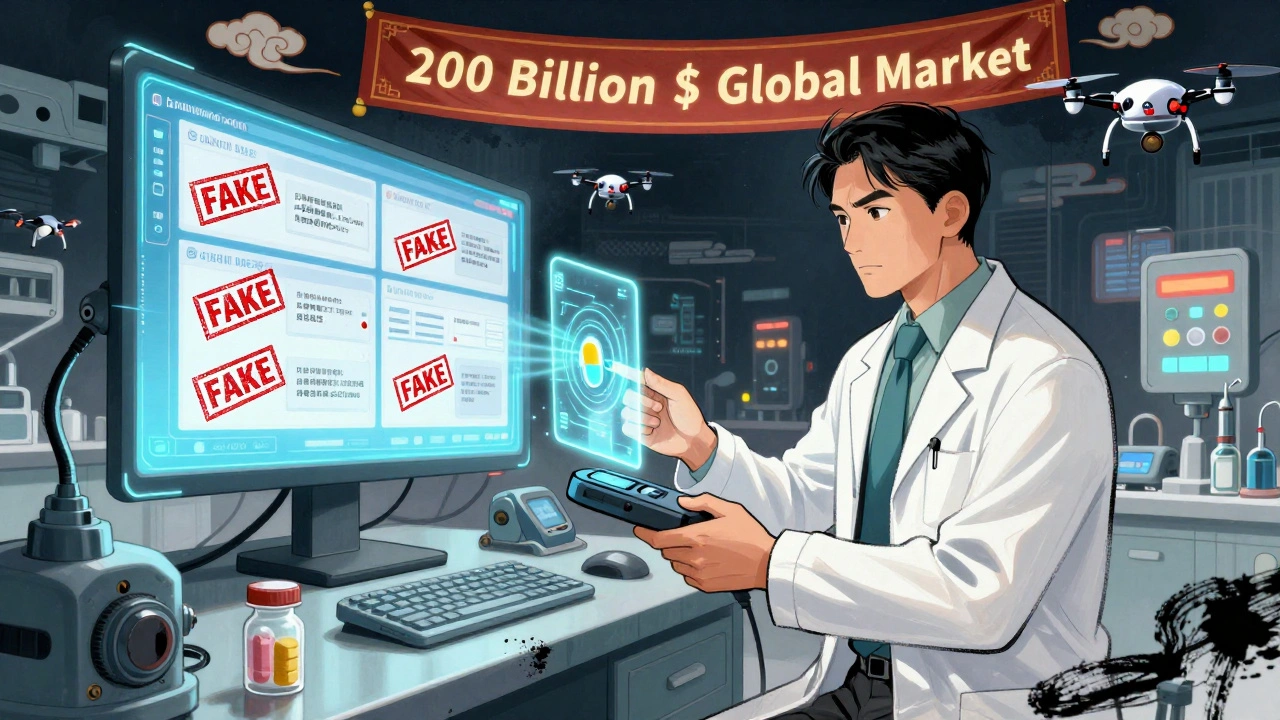
The regulatory patchwork
The U.S. has the DSCSA. The Council of Europe has the Medicrime Convention, which criminalizes making and selling fake medicines. The FDA works with Customs to intercept shipments at borders. The National Association of Boards of Pharmacy runs VIPPS, a program that verifies legitimate online pharmacies. But enforcement? That’s uneven. In some countries, penalties for selling fake drugs are lighter than parking tickets. That’s why traffickers keep doing it. As the International Federation of Pharmaceutical Manufacturers & Associations (IFPMA) says: “Dealing in falsified medicines is easy, cheap, and lucrative, with a low risk of being caught.” That’s the problem insurers face. When the legal system doesn’t keep up, the financial burden falls on businesses - and their policies.What patients and providers should know
If you’re a patient, buy medicine from licensed pharmacies. Check for the VIPPS seal on online sites. Don’t trust prices that seem too good to be true. A $100 bottle of Keytruda on a random website? It’s fake. If you’re a pharmacist or provider, verify your suppliers. Don’t just take a vendor’s word for it. Ask for certificates of analysis. Use serialization tools. Train your staff to spot red flags. And if you’re a business in the supply chain? Your insurance isn’t just a safety net. It’s a signal. It tells regulators, partners, and patients that you take this seriously. But only if you’re doing the work behind the scenes.What’s next for insurance and counterfeit drugs?
The future of insurance in this space is tied to technology. Blockchain for tracking. AI for spotting fake listings. Lab-on-a-chip devices that can test a pill in seconds. Insurers are starting to require these tools as conditions for coverage. We’re also seeing more specialized policies. Some now include coverage for reputational damage - because when a fake drug hits the news, your brand takes a hit, even if you weren’t involved. But no technology replaces vigilance. No policy replaces due diligence. The safest drug supply chain isn’t the one with the most insurance - it’s the one with the most checks.Does my health insurance cover harm from counterfeit drugs?
No. Personal health insurance pays for your medical treatment, not legal claims or losses from fake drugs. If you’re harmed by a counterfeit, you’d need to file a claim against the company that sold it - and their product liability insurance would cover it, if they had it and followed the rules.
Can pharmacies be sued for selling counterfeit drugs?
Yes - even if they didn’t know the drugs were fake. If a patient is harmed, the pharmacy can be named in a lawsuit. Their errors and omissions insurance might cover legal fees and settlements, but only if they can prove they did due diligence - like checking supplier credentials and using verification systems.
Are online pharmacies more likely to sell fake drugs?
Yes. A 2025 report found that over 50% of websites selling prescription drugs without a valid prescription were selling counterfeit products. Even sites that look professional can be fronts for illegal operations. Always check for VIPPS certification or verify the pharmacy’s license with your state board.
What should a distributor do to qualify for better insurance rates?
Implement a verification system: use serialization and track products with barcodes or RFID tags. Test random batches in a lab. Screen suppliers thoroughly. Monitor online marketplaces for fake listings. Document all of it. Insurers reward transparency and proactive risk management.
Is there insurance for patients who buy fake drugs online?
No. Patients who buy from unlicensed online sellers have no recourse through insurance. The responsibility lies with the seller and their business policies - not the buyer’s health plan. That’s why education and awareness are critical. Buying from unverified sources puts your health at risk - and leaves you without protection.


Jade Hovet
December 13, 2025 AT 18:52OMG this is SCARY 😱 I just bought my dad’s chemo meds online last month bc it was half price… I’m so freaking scared now. 🥲
John Fred
December 14, 2025 AT 02:43Real talk - if your pharmacy isn’t using DSCSA-compliant serialization and batch-level traceability, you’re playing Russian roulette with people’s lives. 🚨 Insurers are already penalizing lazy ops - and rightly so. Gotta layer tech (blockchain + AI scanning) + culture (staff training) + audits. No shortcuts.
nina nakamura
December 16, 2025 AT 02:27You people are so naive. Of course insurance won’t cover you if you didn’t verify your supplier. That’s not a loophole - it’s basic accountability. If you’re too lazy to check a certificate of analysis, you deserve to lose your license. And yes, I’ve seen the FDA reports. You’re all just waiting for someone else to fix it.
Webster Bull
December 17, 2025 AT 13:48Insurance is just a bandaid. The real fix? Kill the profit motive. Why do fake drugs exist? Because real ones cost $10K a vial. Fix the system, not the paperwork.
nithin Kuntumadugu
December 18, 2025 AT 02:48LOL the DSCSA? Pfft. That’s just a marketing brochure. The real supply chain is controlled by the same 3 global pharma cartels who *allow* counterfeits to keep prices high. They profit off fear. The FDA? Totally in on it. 🤫 Look at the stats - 90% of fake meds come from "legitimate" distributors. Coincidence? Nah. 🧠
Shelby Ume
December 18, 2025 AT 11:21As someone who’s trained pharmacists in supply chain integrity for 18 years, I’ve seen how easily trust gets exploited. A single unverified vendor, one skipped batch test, and a whole hospital unit gets compromised. Insurance doesn’t restore trust - it only pays for the fallout. The real win? When a small pharmacy in rural Ohio implements RFID tracking, trains their interns to spot fake labels, and documents every step. That’s not compliance - that’s integrity. And insurers notice. They don’t just lower premiums - they become partners. Because when you build systems that prevent harm before it happens, you’re not just reducing risk. You’re saving lives. And that’s worth more than any policy limit.
sharon soila
December 19, 2025 AT 22:18It’s not about the insurance. It’s about responsibility. Every pill has a story. Who made it? Who shipped it? Who checked it? If we treat medicine like a commodity, people will die. But if we treat it like a promise - a sacred promise to heal - then we’ll do the hard work. The tech helps. The policy helps. But the heart? That’s what keeps the chain strong.
Scott Butler
December 21, 2025 AT 16:08US companies are doing everything right while other countries let criminals run loose. Why should we pay more for safety when India and China flood the market with fakes? Build a wall around the supply chain. Ban all foreign meds. End of story.