Medications – Your Quick Guide to Drugs, Alternatives, and Safe Purchases
Looking for straight‑forward answers about a prescription or an over‑the‑counter drug? You’ve landed in the right spot. UpScript breaks down what each medication does, why it matters, and where you can get it without the usual hassle.
What We Cover
Every entry on this page gives you three things: a short description of the drug’s purpose, practical tips for buying or switching safely, and a list of real‑world alternatives. No jargon, just the facts that help you decide fast.
How to Use This Page
Start by scanning the article titles below. If you need a quick buy guide, click the Topamax piece – it shows exactly what to watch for when ordering online in Australia. Want to swap a beta‑blocker? The Metoprolol alternatives article compares eight options side by side.
If antibiotics are your concern, our Ciprofloxacin alternatives rundown explains why some patients need a different drug and which choices work best against resistant bugs. For those tackling alcohol dependence, the Antabuse alternatives guide walks you through six proven treatments without the harsh side effects.
Women planning for pregnancy can check out the Clomid alternatives article, which lists ten options from natural supplements to prescription meds, helping you weigh benefits and drawbacks before talking to a doctor.
Each post follows a simple pattern: why the drug matters, who should consider switching, what the main pros and cons are, and a quick tip for getting started. That way you never have to read through pages of technical data before making a decision.
Need more detail? Every article includes dosage basics, common side effects, and red‑flag warnings – all written in plain English so you can understand the risks without a medical degree.
We also keep an eye on new research. The Metoprolol alternatives list, for example, highlights 2025 updates, so you know which drugs have fresh approvals or recent safety data.
When it comes to buying online, the Topamax guide warns against sketchy pharmacies and points out trusted sources that require a valid prescription. Follow those steps and you’ll avoid counterfeit pills and unnecessary fees.
All of this content lives under the UpScript Medication Encyclopedia umbrella, meaning each article is cross‑checked for accuracy and updated regularly. If something changes – like a new FDA warning – we’ll revise the entry so you stay informed.
Bottom line: use this page as your launchpad. Pick an article that matches your question, skim the key points, then take the next step—whether it’s talking to your pharmacist, booking a doctor’s visit, or ordering from a verified online pharmacy.
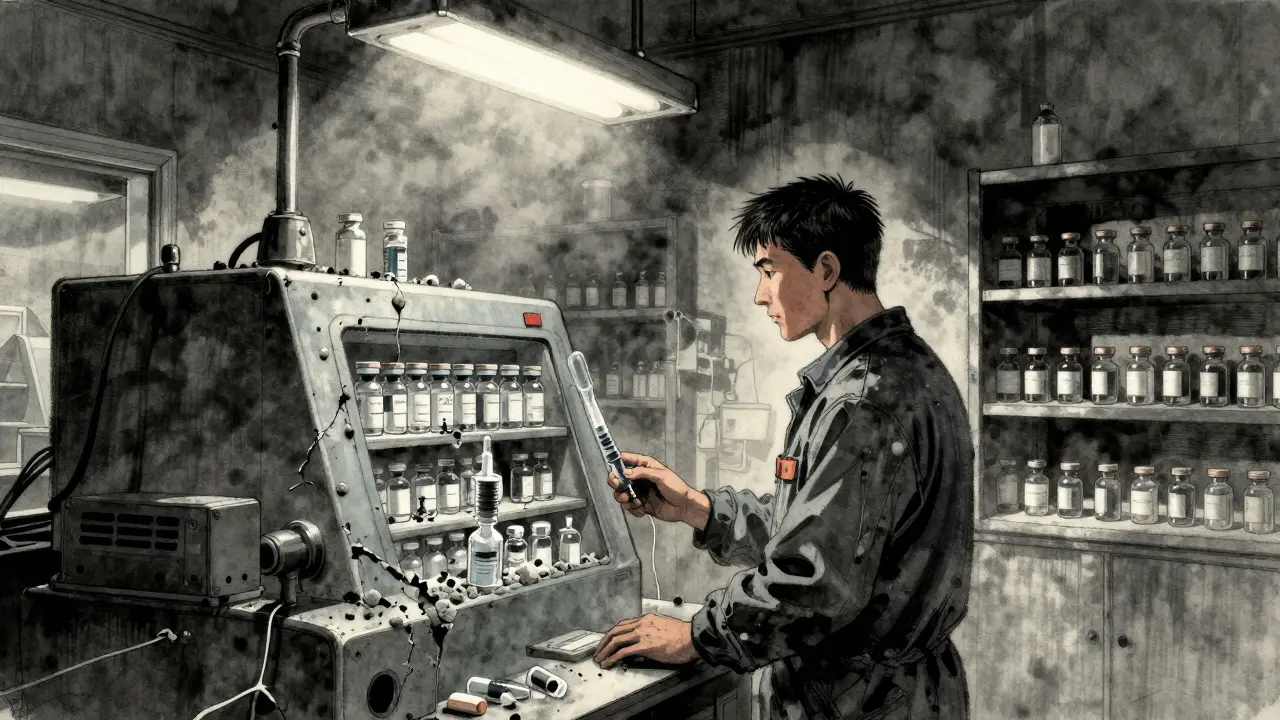
Causes of Generic Drug Shortages: Manufacturing and Supply Chain Issues
Generic drug shortages are caused by fragile manufacturing systems, global supply chain risks, and low profit margins that push companies out of the market. Over 95% of shortages involve generics, and the problem is getting worse.
Detail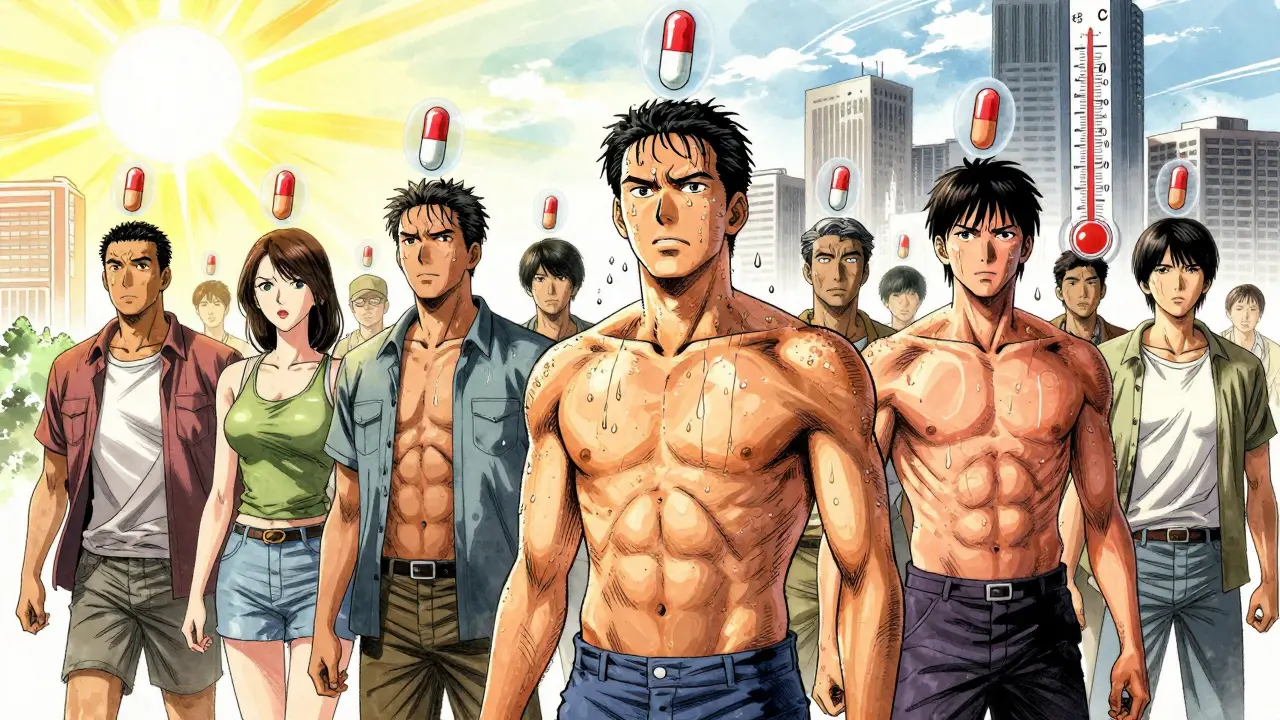
Medications That Cause Decreased Sweating and Heat Intolerance
Certain medications can stop your body from sweating or cooling down, putting you at risk for heat exhaustion or stroke. Learn which drugs cause heat intolerance and how to stay safe in hot weather.
Detail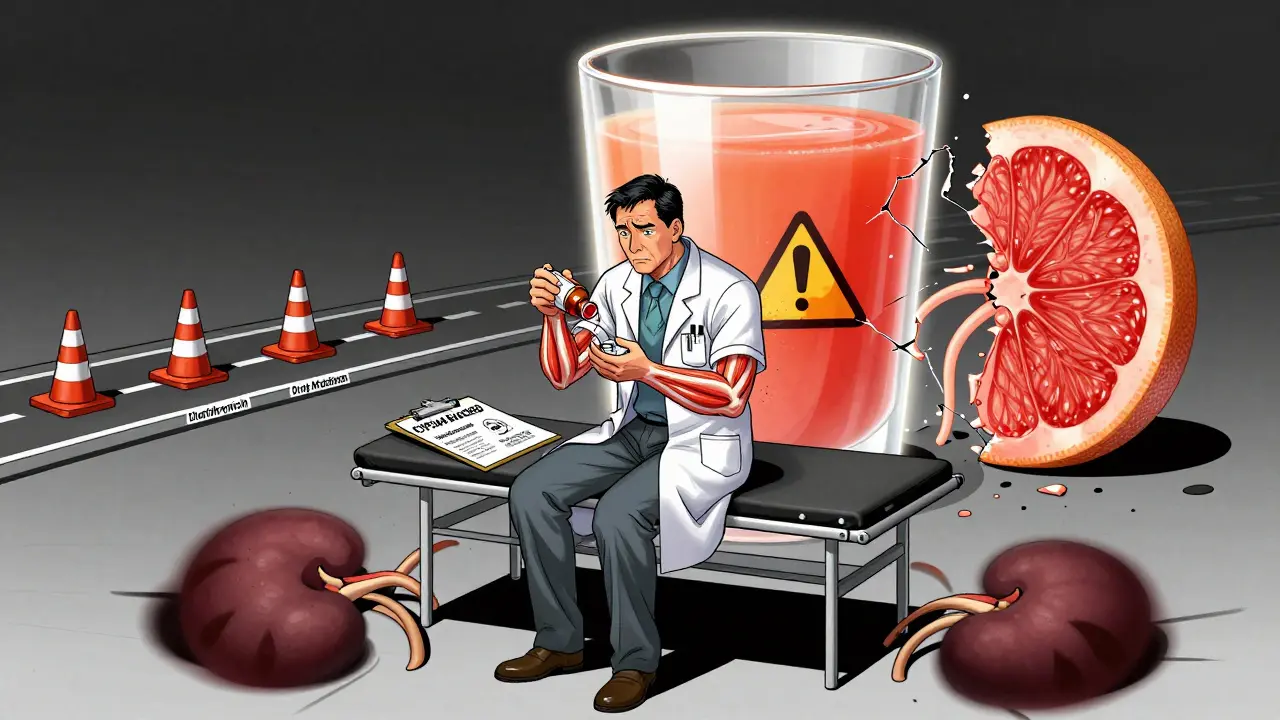
Simvastatin and High-Dose Interactions: Dangerous Combinations You Must Avoid
Simvastatin can cause life-threatening muscle damage when mixed with common drugs or grapefruit juice. Learn the top 5 dangerous combinations, why the 80 mg dose is banned for new patients, and what safer alternatives exist.
Detail
Buspirone Augmentation: Side Effects and Efficacy with SSRIs
Buspirone augmentation can improve SSRI response in treatment-resistant depression while reducing sexual side effects and avoiding weight gain. It's a safe, low-cost option with strong evidence, especially for severe cases.
Detail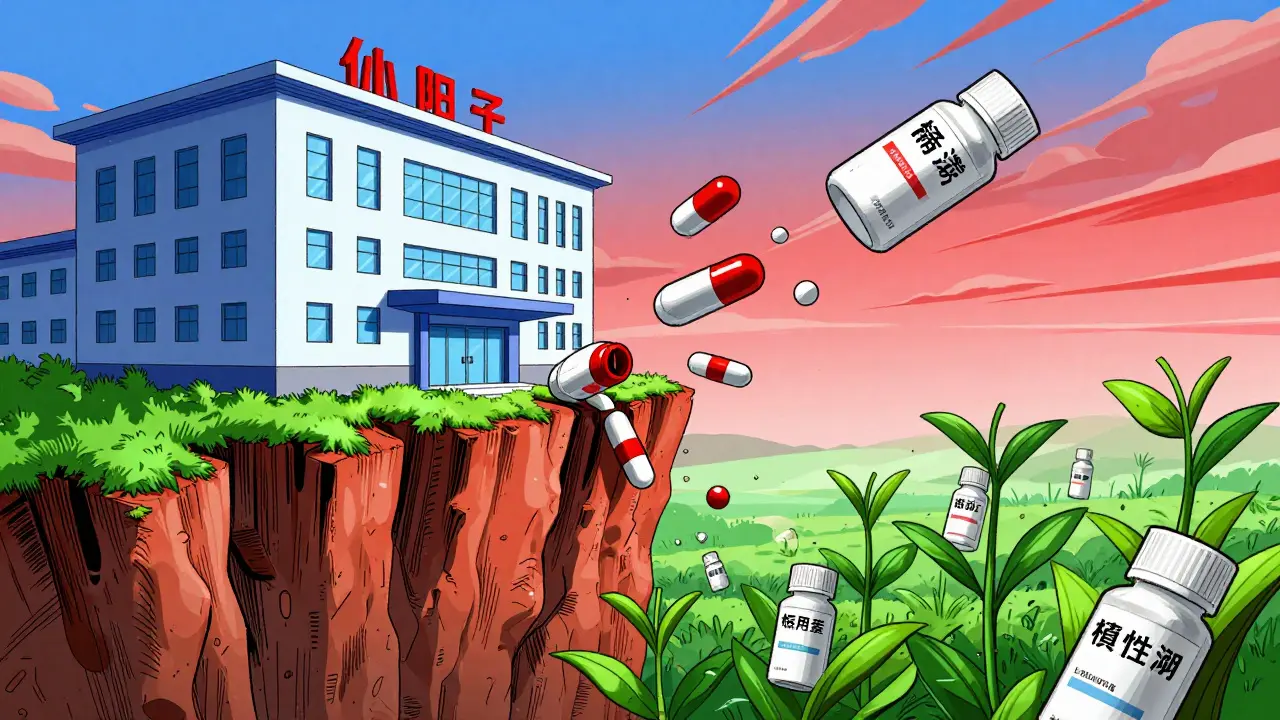
Blockbuster Patent Expirations: What to Expect in 2025 and Beyond
Pharmaceutical patent expirations from 2025-2030 will see $250 billion in drug sales face generic competition. Key drugs like Keytruda and Entresto will drop in price, saving patients billions. Companies are racing to develop new therapies and prepare for market shifts. Patients can expect cheaper medications, but supply chain challenges may arise. This timeline reshapes healthcare economics and drug access globally.
Detail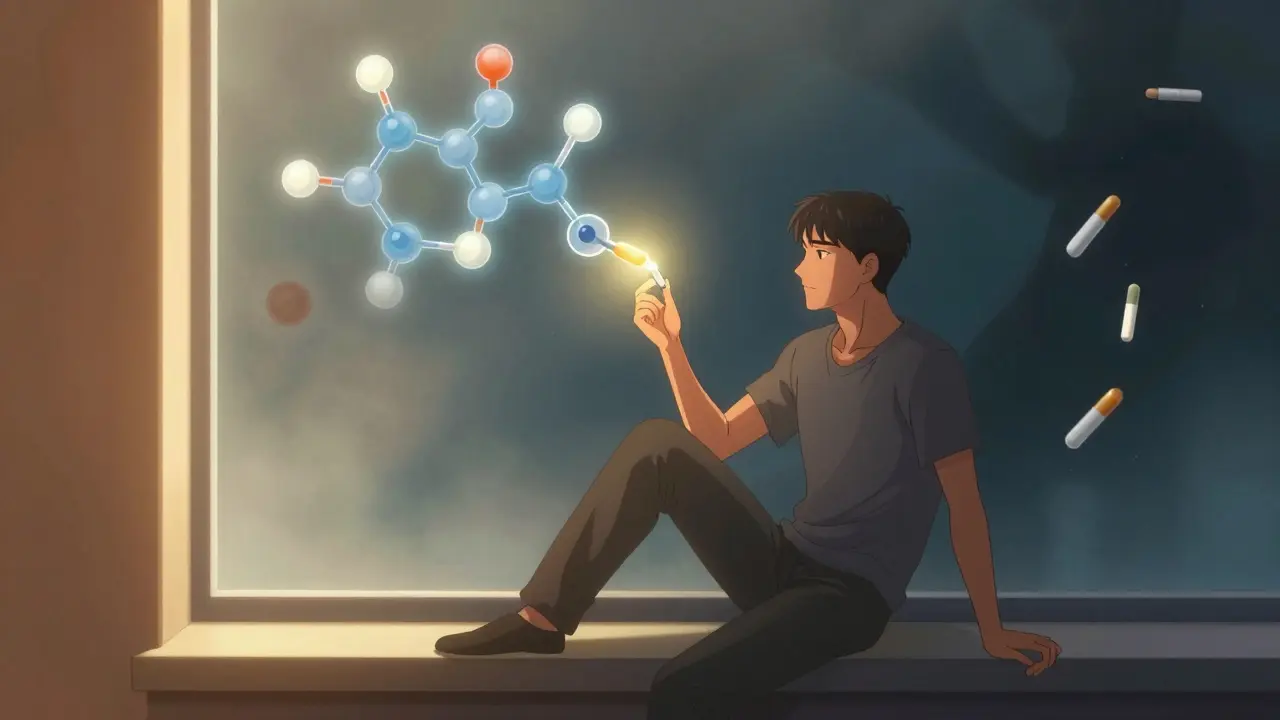
Buprenorphine Side Effects: Understanding the Ceiling Effect and Real-World Safety
Buprenorphine's ceiling effect makes it one of the safest treatments for opioid use disorder. Learn how it limits overdose risk, compares to methadone, and why mixing it with other drugs remains dangerous.
Detail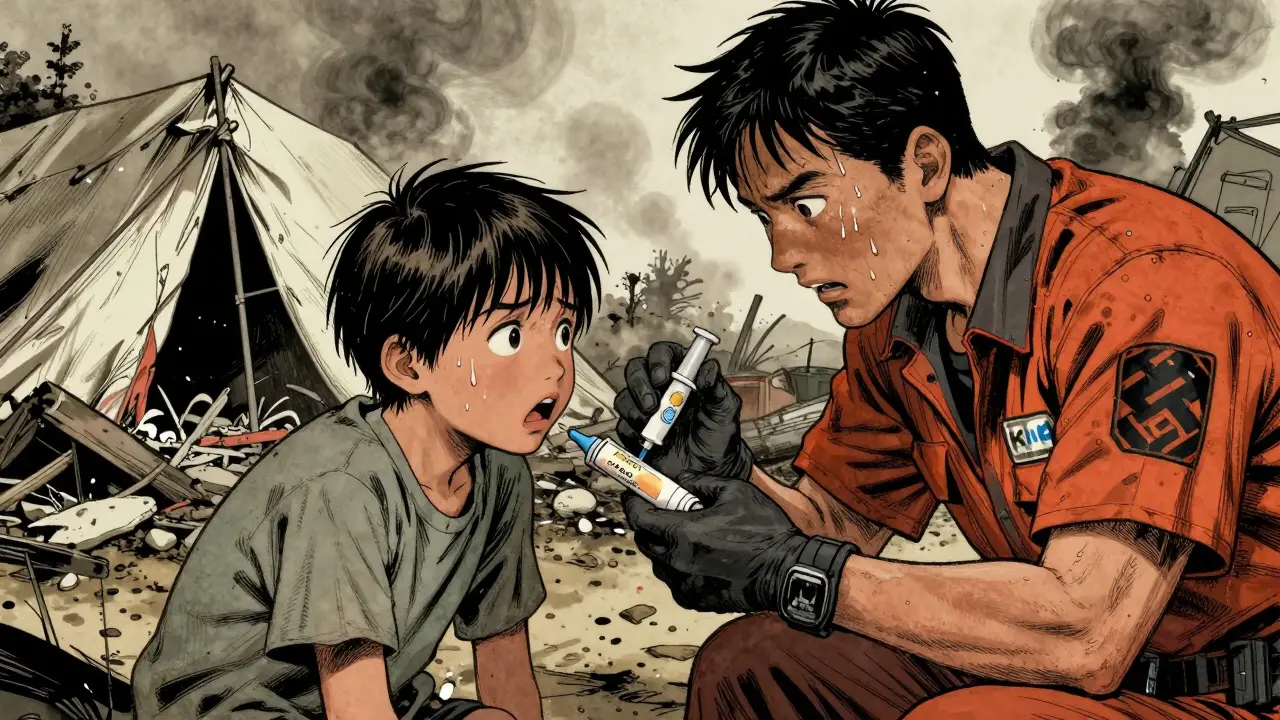
Emergency Use of Sub-Potent Expired Medications: When It Might Save a Life
Most expired medications don't turn dangerous - they just lose strength. Learn which ones are safe to use in emergencies, which to avoid, and how to make smart decisions when no alternatives exist.
Detail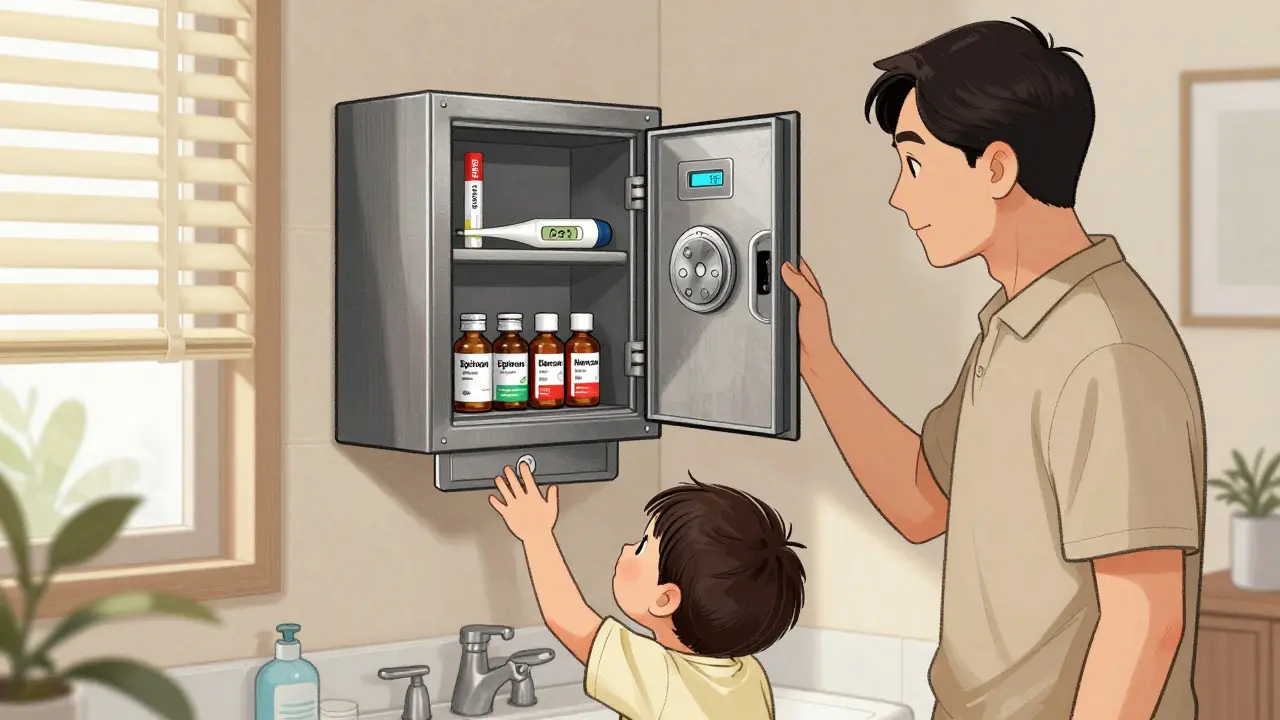
How to Keep Emergency Medications Accessible but Secure
Learn how to store emergency medications like epinephrine and naloxone so they’re safe from kids and theft-but still quick to grab in a crisis. Practical tips for home, car, and caregivers.
Detail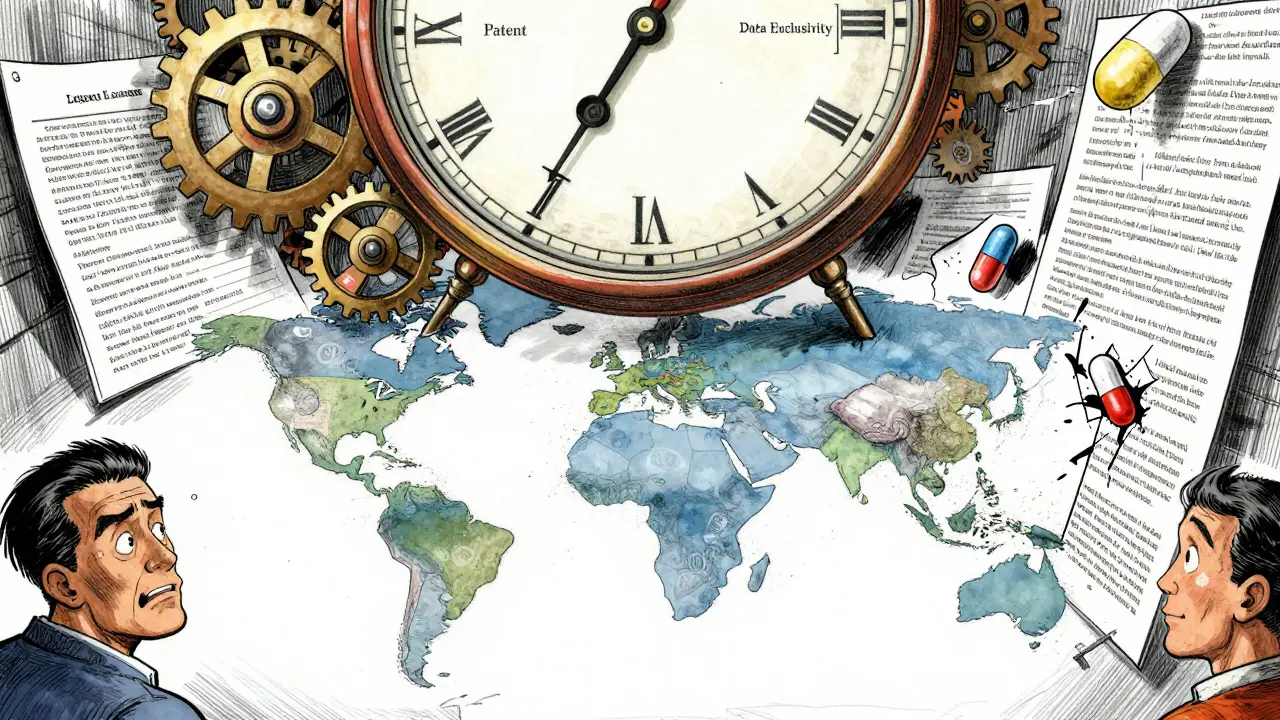
Generic Drug Patents: How Exclusivity Periods Vary Across Countries
Generic drug exclusivity periods vary widely across countries, with the U.S., EU, and others using complex rules to delay cheaper versions. Learn how patents, data exclusivity, and legal strategies shape drug access and pricing worldwide.
Detail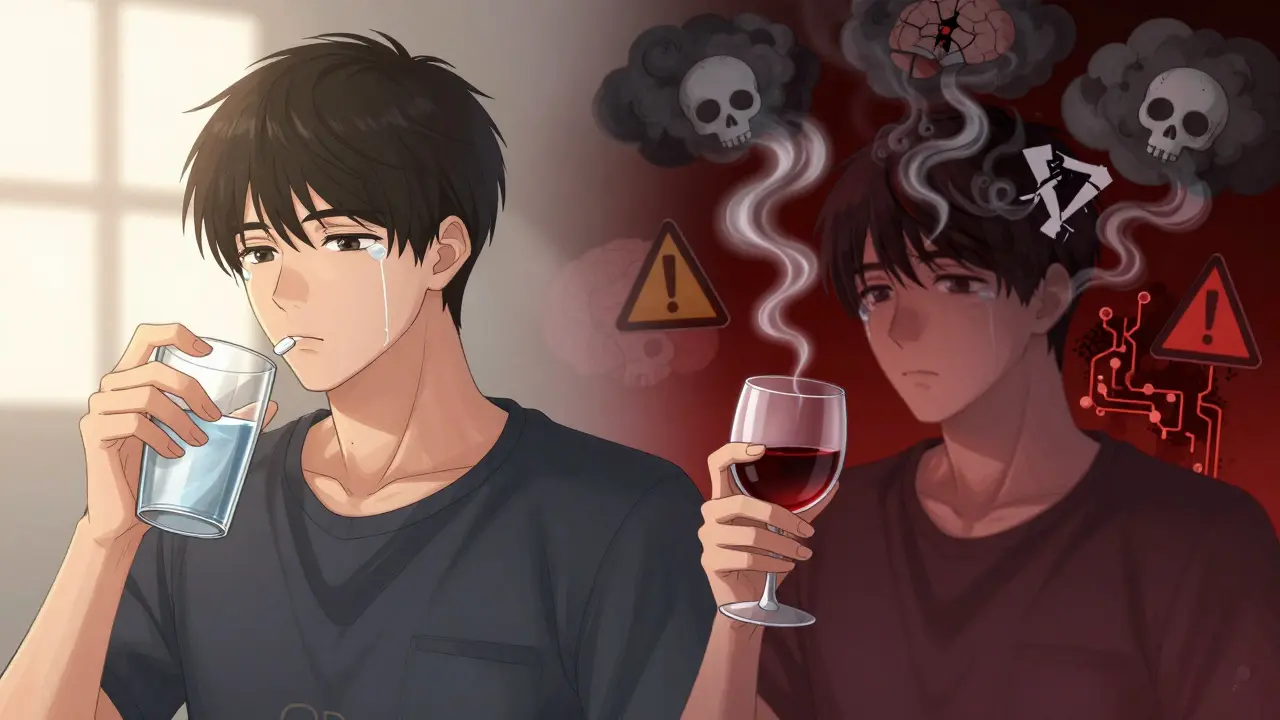
Antidepressants and Alcohol: What You Need to Know About the Dangerous Mix
Mixing antidepressants and alcohol can reduce medication effectiveness, worsen depression, and increase suicide risk. Learn how different types of antidepressants react with alcohol and what to do instead.
DetailRelated Posts