
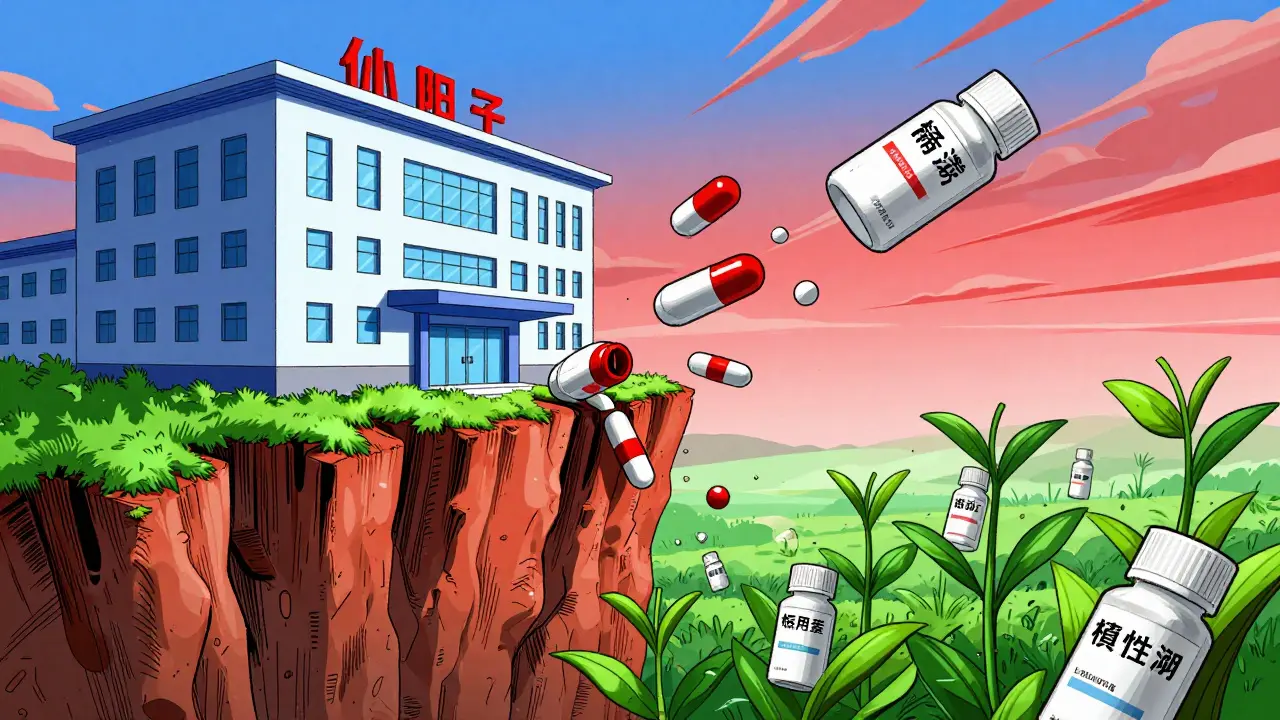
Right now, the pharmaceutical industry is bracing for a massive shift. Over $250 billion in drug patent expirations are set to lose protection between 2025 and 2030. This isn't just a financial event-it's changing how patients access medicine, how companies operate, and how healthcare costs evolve.
What's the 'patent cliff' and why does it matter?
Patent expirations in the pharmaceutical industry mean the end of exclusive rights for drug manufacturers. Before this, companies could sell their drugs without competition. Once patents expire, generic and biosimilar versions can enter the market. This is known as the patent cliff a phenomenon where multiple high-revenue drugs lose patent protection simultaneously, leading to significant market shifts. The current wave is one of the largest in history. It stems from the Drug Price Competition and Patent Term Restoration Act of 1984 (Hatch-Waxman Act), which created the current system balancing innovation incentives with generic market entry. For biologics, the Biologics Price Competition and Innovation Act (BPCIA) of 2009 added 12 years of data exclusivity.
Key drugs losing patent protection by 2030
Over 65 drug products with annual sales exceeding $100 million will face patent expiration between 2025 and 2030, representing $187 billion in global sales. Here are the most impactful ones:
| Drug (Brand Name) | Active Ingredient | 2024 Global Sales | Patent Expiration Date | Company |
|---|---|---|---|---|
| Keytruda Merck's immunotherapy drug | Pembrolizumab | $29.3 billion | 2028 | Merck |
| Entresto heart failure treatment | Sacubitril/valsartan | $7.8 billion | July 2025 | Novartis |
| Eliquis blood thinner | Apixaban | $13.2 billion | November 2026 | Bristol Myers Squibb & Pfizer |
| Humira autoimmune disease treatment | Adalimumab | $21.3 billion | 2023 (U.S.) | AbbVie |
| Ibrance breast cancer drug | Palbociclib | $5.1 billion | 2025 | Pfizer |
The FDA's Orange Book database shows small-molecule drugs typically maintain market exclusivity for 12.7 years post-approval through strategic patent portfolios. Biologics like Keytruda have more complex patent landscapes, with an average of 132 patents per product versus 14 for small molecules. This creates significant litigation hurdles that delay generic competition by 2.3 years on average.
Small molecules vs biologics: different paths to generics
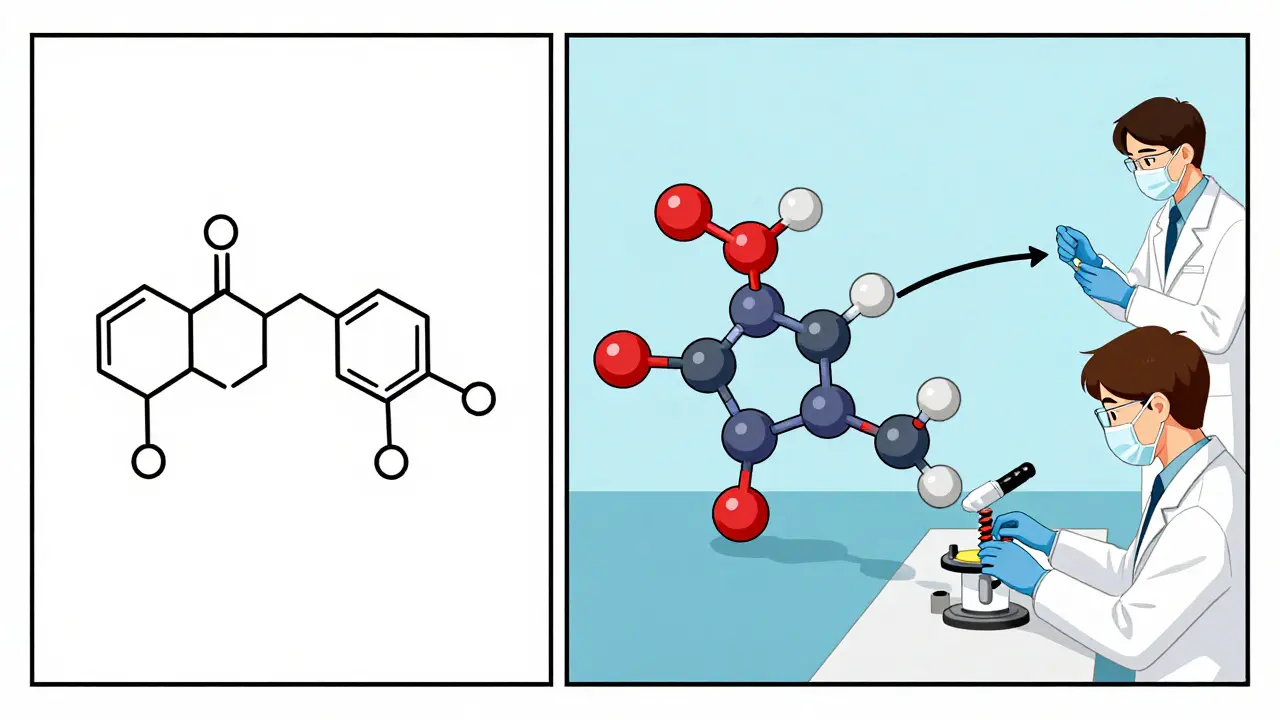
Not all drug expirations are equal. Small-molecule drugs like Entresto and Eliquis face simpler generic competition. Once patents expire, generic versions typically hit the market within 6-12 months. These generics cause 80-90% price reductions within 12 months and capture over 90% of the market within two years. For example, when Humira's exclusivity ended in 2023, its biosimilar versions reduced costs by 75% within a year.
Biologics like Keytruda are trickier. Biosimilars take 18-24 months to develop and gain approval due to complex manufacturing requirements. They achieve only 30-40% price reductions initially and capture 50-60% market share over 3-5 years. The FDA approved the first generic version of Entresto's key component sacubitril in October 2024, ahead of its July 2025 expiration-showing unprecedented regulatory readiness. Meanwhile, Keytruda's patent expiration in 2028 will trigger the largest single-year revenue decline in pharmaceutical history, with Merck potentially losing $15 billion in annual revenue within 18 months of generic entry.
How companies are preparing for the shift
Pharmaceutical giants aren't waiting for the patent cliff to hit. Merck announced a $12 billion R&D investment focused on next-generation oncology therapies to offset Keytruda's 2028 expiration. Bristol Myers Squibb completed its $4.1 billion acquisition of Karuna Therapeutics to bolster its neuroscience portfolio ahead of Eliquis' 2026 expiration. Amgen, facing 52% of its 2024 revenue at risk from expirations, is accelerating development of new biologics and biosimilars.
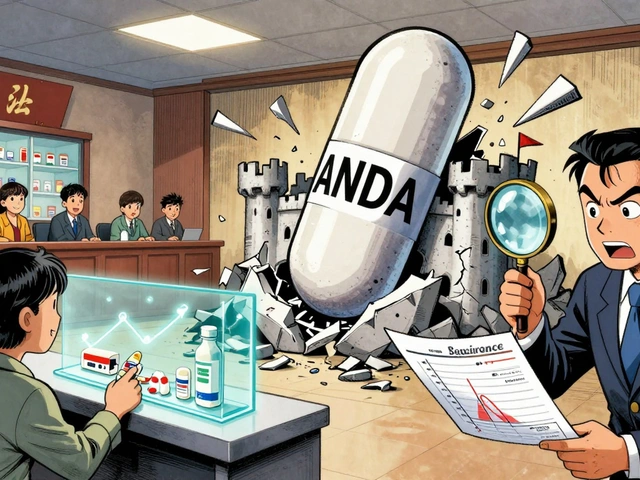
Generic drug manufacturers are also racing to prepare. The FDA received 127 abbreviated new drug applications (ANDAs) targeting drugs with 2025 patent expirations-a 27% increase over the previous year. Generic companies typically spend $2.6 million per product and 3-4 years in development. As of November 2024, 147 generic and biosimilar companies worldwide are developing products for the 2025-2030 expirations, with Teva Pharmaceutical leading with 37 products in development.
What patients and doctors need to know
For patients, this means major cost savings. On the Sermo physician network, Dr. Emily Chen, a cardiology specialist in California, posted in September 2024: "I'm already preparing my heart failure patients for the Entresto generic transition in mid-2025. The cost savings will be enormous-my patients currently pay $150-$300 monthly for the brand, but generics should drop that to $20-$40." Pharmacy technicians on Pharmacy Technicians United (142,000 members) discussed supply chain concerns, with Sarah Johnson noting in October 2024: "We're seeing multiple generic manufacturers ramping up production for the 2025 expirations, but I'm worried about initial shortages like we saw with Humira biosimilars."
Healthcare providers are adapting too. The American Society of Health-System Pharmacists (ASHP) reported in October 2024 that 87% of hospital pharmacy directors are preparing for the 2025 patent expirations through inventory management changes and staff education. 42% are implementing early switch programs for patients currently on affected medications. Hospitals have already negotiated 60% price reductions with pharmacy benefit managers (PBMs) for Entresto in anticipation of the July 2025 expiration.
Looking ahead: industry changes and what's next
The Congressional Budget Office projects the 2025-2030 patent expirations will reduce national healthcare spending by $312 billion over the decade, with $198 billion in savings occurring in 2025-2027. This wave will accelerate industry consolidation, with Goldman Sachs predicting a 30% year-over-year increase in pharma deals through 2026. However, innovation in gene therapy and targeted oncology could offset 65-75% of patent cliff revenue losses by 2030, according to McKinsey's October 2024 report.
Regulatory scrutiny is also increasing. The FTC reported a 23% year-over-year rise in patent settlement investigations targeting "pay-for-delay" agreements. Companies using "evergreening" techniques-modifying delivery systems to extend exclusivity-will face tougher scrutiny. For patients, this means more affordable medications. For the industry, it's a race to innovate before the next patent cliff hits.
What exactly is a "patent cliff"?
The "patent cliff" refers to when multiple blockbuster drugs lose patent protection simultaneously, causing a sharp drop in revenue for pharmaceutical companies. This happens because generic and biosimilar manufacturers can then sell equivalent versions at much lower prices. The current wave (2025-2030) is the largest in history, with $250 billion in drug sales at risk. It's driven by the Hatch-Waxman Act of 1984 and BPCIA of 2009, which balance innovation incentives with generic market entry.
How soon will generic versions of Keytruda be available?
Keytruda's core composition-of-matter patent expires in 2028, but generic competition won't hit immediately. Biosimilar development for biologics takes 18-24 months after patent expiration. The first biosimilars could launch in late 2029 or early 2030. However, companies like Merck are already preparing by investing $12 billion in next-generation oncology therapies to offset this revenue loss.
Will Entresto generics be available in 2025?
Yes. Novartis' Entresto (sacubitril/valsartan) faces U.S. patent expiration in July 2025. The FDA already approved the first generic version of its key component sacubitril in October 2024. Generic manufacturers are ramping up production, and patients can expect to see affordable versions by mid-2025. Current users pay $150-$300 monthly-generics will likely cost $20-$40.
Why do biologics take longer to develop generics for?
Biologics like Keytruda or Humira are made from living cells, making them incredibly complex to replicate. Unlike small-molecule drugs (which are chemical compounds), biosimilars require extensive testing to prove they're "similar enough" to the original. This takes 3-5 years of development versus 1-2 for small-molecule generics. The FDA also requires more rigorous manufacturing standards, contributing to the 18-24 month delay between patent expiration and biosimilar market entry.
How will this affect drug prices globally?
The U.S. will see the biggest price drops because it has no government price controls. Generic versions typically reduce costs by 80-90% for small molecules and 30-40% for biologics. Countries with price controls (like Canada or the UK) will see smaller savings. Overall, the Congressional Budget Office estimates $312 billion in U.S. healthcare savings over the next decade. Patients in the U.S. could save $182 billion on medications like Entresto alone, per the Association for Accessible Medicines.
Laissa Peixoto
February 5, 2026 AT 17:35The patent expirations set to occur between 2025 and 2030 represent a pivotal moment in healthcare history. Over $250 billion in drug sales are at stake, affecting everything from patient access to corporate strategies. This 'patent cliff' isn't just a financial event-it's a societal shift that challenges the balance between innovation incentives and affordability. The Hatch-Waxman Act and BPCIA created a system where patents protect innovation but also allow generics to enter after exclusivity periods. However, the current wave is unprecedented in scale, with drugs like Keytruda and Humira losing protection. For biologics like Keytruda, the path to biosimilars is longer due to complex manufacturing requirements. Small molecules like Entresto will see faster generic entry, driving down prices significantly. This wave could reduce healthcare costs by hundreds of billions over the decade, per the Congressional Budget Office. Yet, pharmaceutical companies are already investing in next-generation therapies to offset revenue loss. Merck's $12 billion R&D push for oncology drugs, for instance, shows how industry is adapting. Generic manufacturers are racing to meet demand, with Teva leading in development. But supply chain concerns remain, as seen with Humira biosimilars. The real question is whether this transition will truly improve access without stifling future innovation. It's a delicate balance that will shape healthcare for years to come. Industry consolidation is already accelerating, with Goldman Sachs predicting a 30% increase in pharma deals through 2026.
Danielle Vila
February 6, 2026 AT 03:01Big Pharma is secretly working with the government to phase out these drugs so they can push new ones. They're all in cahoots! I read this on a forum where they said the FDA is being bribed. The patent cliff is just a distraction to hide the real agenda-control the market by flooding it with generics so they can jack up prices later. Trust me, I've done my research!
Thorben Westerhuys
February 6, 2026 AT 11:37Wow!! This is such a massive deal for patients!! But what about the pharmaceutical companies?? They're going to lose billions!! I can't believe it!! It's insane how much money is at stake here!!
Dr. Sara Harowitz
February 7, 2026 AT 08:50This is exactly why America must protect its pharmaceutical industry! Foreign countries are just riding on our coattails. Why should we let them profit from our research? It's outrageous!! The FDA should be stricter about approving generics from overseas. We need to safeguard American innovation!
Nancy Maneely
February 8, 2026 AT 05:50OMG this is the WORST thing ever! Big Pharma is going to collapse! Everyone's going to lose their jobs! And the government is doing nothing! This is a disaster for the economy!!
Matthew Morales
February 9, 2026 AT 08:21Hey everyone, this is super interesting! 😊 I think the generics will really help a lot of people afford their meds. Though i think there might be some supply issues at first, but hopefully they sort it out. Just want to say thanks for sharing this info!
Tehya Wilson
February 9, 2026 AT 13:12The patent system prioritizes profit over patients.
Johanna Pan
February 10, 2026 AT 02:12I'm really optimistic about this shift! It's a great opportunity for global health equity. Though i think we need to be careful about how generics are regulated, but overall this is positive news for patients worldwide. 😊
Brendan Ferguson
February 10, 2026 AT 08:22While the patent cliff poses challenges, it also opens doors for innovation. Generic drugs can coexist with new developments. The key is balancing access and incentives. We should focus on collaboration between industry and regulators to ensure patients get affordable drugs without stifling innovation.
divya shetty
February 11, 2026 AT 01:24We must ensure that only ethical companies produce generics. The current system allows for too much greed. We need stricter oversight to protect patients. This is not just about profits-it's about lives.