

Buprenorphine Dose Safety Checker
Safety Assessment
Based on the ceiling effect
When someone starts buprenorphine for opioid use disorder, they’re not just taking another pill-they’re stepping into a different kind of recovery. Unlike heroin or oxycodone, buprenorphine doesn’t make you feel like you’re floating or nodding off. It doesn’t slam your breathing shut if you take too much. That’s not luck. It’s science. And it’s called the ceiling effect.
What the Ceiling Effect Really Means
The ceiling effect isn’t a marketing term. It’s a hard limit built into how buprenorphine works at the molecular level. Most opioids, like morphine or fentanyl, keep getting stronger the more you take. More dose = more high = more danger. Buprenorphine doesn’t work that way. After a certain point-usually around 16 to 24 mg per day-increasing the dose doesn’t make you feel more euphoric, and it doesn’t slow your breathing any further.
This isn’t just theory. Studies show that at doses above 24 mg, respiratory depression plateaus. Even if you take 70 mg, your breathing won’t drop below a safe threshold-unless you mix it with alcohol, benzodiazepines, or other depressants. That’s why overdose deaths from buprenorphine alone are rare. In fact, between 2019 and 2021, only 18 fatal overdoses in the U.S. involved buprenorphine by itself. Every single one also included another CNS depressant.
But here’s the twist: the ceiling effect doesn’t apply to everything. Pain relief? That doesn’t always plateau. Craving suppression? That keeps working even at higher doses. That’s why someone on 24 mg might feel way more stable than someone on 8 mg-even if they’re not getting higher. The drug’s job isn’t to get you high. It’s to keep you alive and functional.
Why Buprenorphine Is Safer Than Methadone
Methadone has been the gold standard for opioid treatment for decades. But it’s a full opioid agonist. That means it hits the same receptors as heroin, just slower. And like heroin, its effects keep climbing with dose. That’s why methadone clinics have strict rules, why people die from accidental overdose on methadone, and why it’s harder to prescribe.
Buprenorphine? It’s different. It’s a partial agonist. It binds tightly to opioid receptors but only turns them on halfway. That’s why it can block other opioids too-if you’re on 16 mg of buprenorphine and try to snort heroin, you won’t feel much. The buprenorphine is already sitting there, occupying the receptors. It’s like a bouncer who won’t let anyone else in.
And because of that, buprenorphine can be prescribed in a doctor’s office. No special clinic needed. In 2022, about half of all medication-assisted treatments for opioid use disorder in the U.S. used buprenorphine. That’s more than methadone. And the numbers are still climbing.
Common Side Effects-And What They Really Mean
Is buprenorphine side-effect free? No. But compared to full opioids? It’s mild.
- Headache-reported by about 18% of people in clinical trials. Usually fades after a week or two.
- Constipation-affects 12%. Still happens, but less than with methadone or oxycodone.
- Nausea-mild for most. Rarely causes vomiting.
- Withdrawal symptoms-if you start buprenorphine too soon after your last opioid, you can get precipitated withdrawal. That’s not an allergy. It’s timing. You need to wait until you’re in mild withdrawal before taking it. About 25% of people who rush this get hit with it.
And here’s something most people don’t realize: buprenorphine doesn’t make you sleepy. A lot of folks on methadone describe feeling foggy all day. Not so with buprenorphine. Reddit users in recovery communities often say things like, “I can take my 16 mg and go to work without feeling like I’m on something.” That’s the ceiling effect in action. It takes the craving away, not the person.
Who Might Need More Than the Standard Dose
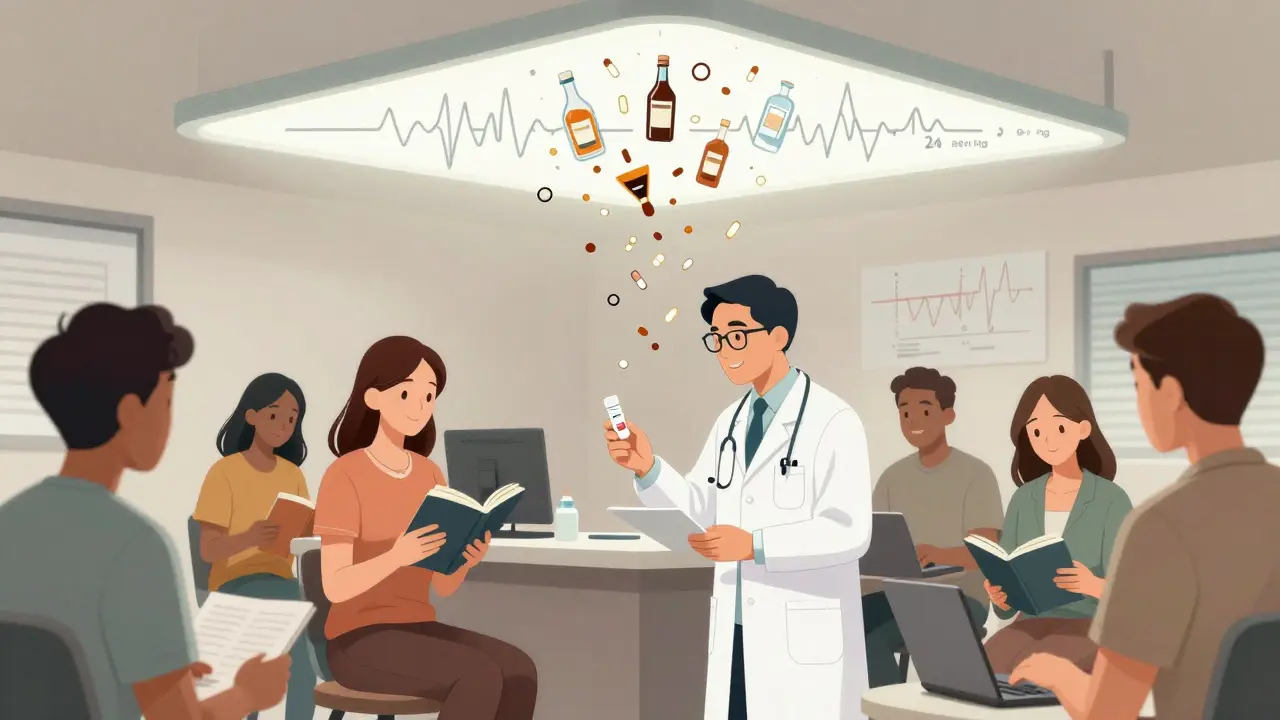
Not everyone responds the same. Some people-especially those with severe, long-term opioid dependence-need higher doses to feel stable. A dose of 8 mg might be enough for someone who used a few pills a week. But someone who used 100 mg of oxycodone daily? They might need 20, 24, even 32 mg.
That’s not “abusing” it. That’s medicine. Clinical trials show patients with chronic pain or high-tolerance addiction often need higher buprenorphine doses to suppress cravings and avoid relapse. The goal isn’t to use the lowest dose possible. It’s to use the dose that keeps you alive, working, and out of the hospital.
Doctors used to cap doses at 16 mg out of caution. Now, guidelines say 24 mg is the ceiling for respiratory safety-not the ceiling for effectiveness. Some patients do better at 32 mg. And yes, that’s still safe.
The Hidden Danger: Mixing With Other Drugs
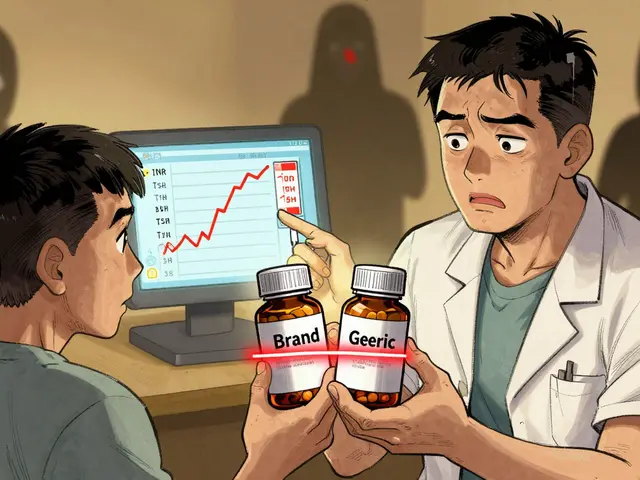
Buprenorphine’s safety profile is excellent-until you add alcohol, Xanax, Valium, or sleeping pills. That’s when the ceiling cracks.
Those 18 fatal overdoses between 2019 and 2021? All involved benzodiazepines or alcohol. Why? Because buprenorphine only protects you from its own effects. It doesn’t protect you from other depressants. If you’re taking buprenorphine and also drinking wine every night to sleep, you’re playing Russian roulette with your breathing.
That’s why doctors always ask about other meds and substances. It’s not about judging. It’s about survival. The drug works best when it’s alone.

New Forms, Same Safety
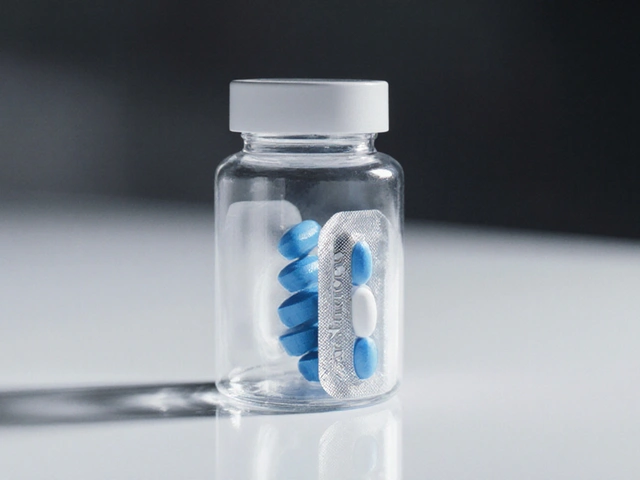
In 2023, the FDA approved a weekly injectable form of buprenorphine called Sublocade. No more daily strips. No more forgetting. Just one shot a month. Clinical trials showed 49% of patients stayed abstinent for six months-better than daily sublingual versions.
And the ceiling effect? Still there. Even with injections, higher doses don’t increase respiratory risk. That’s the beauty of the pharmacology. It doesn’t matter how you get it in-your body still hits the same limit.
What You Should Know Before Starting
If you’re considering buprenorphine, here’s what matters most:
- Don’t start until you’re in mild withdrawal. Too soon = bad reaction.
- Don’t mix it with alcohol or benzodiazepines. That’s the real risk.
- Dose isn’t about getting high. It’s about feeling normal.
- Higher doses aren’t dangerous-they’re often necessary.
- It’s not a cure. It’s a tool. Therapy, support, and routine matter just as much.
And if you’re worried about being “on something”? You’re not. You’re being treated. There’s a difference between dependence and addiction. Buprenorphine helps you rebuild your life without the chaos of withdrawal or the fear of overdose.
Final Thought: Safety Isn’t Perfect-But It’s Real
Buprenorphine isn’t magic. It doesn’t erase trauma. It doesn’t fix your job or your relationships. But it does something rare in medicine: it gives you back your life without killing you.
The ceiling effect is what makes it possible. It’s the reason millions of people are alive today who would have otherwise died from overdose. It’s why doctors now prescribe it in offices instead of clinics. It’s why recovery is possible for people who thought they were beyond help.
It’s not about being perfect. It’s about being safer. And in the opioid crisis, that’s everything.


Joseph Cooksey
February 3, 2026 AT 16:17Let me tell you something nobody else will: buprenorphine isn’t some miracle drug-it’s a goddamn compromise. You think you’re ‘recovered’ because you’re not nodding off in a ditch? Nah. You’re just stabilized. Like a car with a bad transmission that doesn’t stall anymore but still rattles like a tin can on a dirt road. The ceiling effect? Sure, it keeps you breathing. But it also keeps you stuck. You don’t get high? Fine. But you also don’t feel alive. You just feel… not dead. And that’s not recovery. That’s survival with a side of bureaucracy.
I’ve seen people on 32 mg for five years. They got jobs. They got custody. They got their kids back. But they still can’t cry without feeling like their soul’s been vacuum-sealed. The drug doesn’t heal trauma. It just buries it under a layer of pharmacological silence. And don’t get me started on how clinics treat you like a criminal if you ask for more than 24 mg. Like we’re all just trying to score a buzz, not stay alive.
And yeah, mixing it with benzos? Terrible idea. But guess what? So is living in a house where your dad screams at you every night and your mom’s got a bottle in her hand. You think people are popping Xanax because they’re partying? No. They’re trying to quiet the noise inside their heads. Buprenorphine doesn’t fix that. It just lets them breathe long enough to maybe, someday, find a therapist who doesn’t look at them like they’re a statistic.
Sherman Lee
February 5, 2026 AT 06:47Did you know the FDA approved Sublocade because Big Pharma wanted to lock people into monthly injections so they couldn’t quit? 😏
They don’t want you cured. They want you dependent. Forever. That’s why they pushed buprenorphine over methadone-it’s more profitable. 16mg daily? Nah. 32mg? Still not enough. You’ll need that monthly shot for the rest of your life. 🤑
And don’t believe the ‘ceiling effect’ BS. If it’s so safe, why do they say ‘don’t mix with alcohol’? Because the ceiling isn’t real-it’s a lie to make you feel safe while they profit. 💊💀
Lorena Druetta
February 6, 2026 AT 20:30I just want to say thank you for writing this with such clarity and compassion. As someone who has watched a loved one walk through recovery, I can tell you that this isn’t just about chemistry-it’s about dignity. The fact that someone can take a daily dose and go to work, hug their child, or sit quietly without shame… that’s revolutionary. Please keep sharing truths like this. There are so many people who need to hear them.
Coy Huffman
February 7, 2026 AT 06:08man i used to think buprenorphine was just another opiate thing but this actually made me rethink everything. like… i always thought if you’re on meds for addiction you’re just swapping one habit for another. but the way you explained the ceiling effect? it’s not about feeling high-it’s about not feeling like you’re gonna die every time you wake up.
also the part about how pain relief doesn’t plateau? that’s wild. so you can still get relief from chronic pain without getting wrecked? that’s like… the whole system was designed wrong for like 50 years.
and the fact that you can get this from your doctor instead of a clinic? that’s huge. no more being treated like a junkie just because you need help. i feel like this should be on every high school health class.
Kunal Kaushik
February 7, 2026 AT 07:47Bro this is the most chill, non-judgy breakdown I’ve ever read on this topic. 🙌
I’ve been on 16mg for 2 years. Still work as a mechanic. Still play guitar. Still go to my kid’s soccer games. Nobody knows. And I don’t need them to. This ain’t about being ‘clean’-it’s about being present.
Also, the headache lasted 3 days. Worth it.
Nathan King
February 8, 2026 AT 06:03While the pharmacological rationale presented is largely accurate, one must acknowledge the epistemological limitations of anecdotal evidence drawn from Reddit communities. The assertion that buprenorphine permits ‘normal functioning’ lacks rigorous operational definition. Moreover, the conflation of physiological safety with psychosocial efficacy risks minimizing the complex sociocultural determinants of addiction recovery. One cannot reduce human recovery to receptor binding affinity alone.
Demetria Morris
February 10, 2026 AT 02:24People think they’re ‘healing’ when they’re just chemically numbed. This isn’t recovery-it’s chemical surrender. You’re trading one addiction for another, and now you’re dependent on the government to keep you alive. What kind of life is that? Where’s the willpower? Where’s the faith? This isn’t medicine. It’s a crutch for the weak.
Prajwal Manjunath Shanthappa
February 12, 2026 AT 01:23Oh, so now we’re glorifying buprenorphine as some kind of ‘progressive miracle’? How quaint. The pharmaceutical-industrial complex has been pushing this since 2002-because it’s more profitable than rehab centers, and because it keeps people docile, dependent, and billing-ready. You call it ‘safety’? I call it corporate control dressed in medical jargon. The ceiling effect? A marketing ploy. The real ceiling? The one they put over your life.
And let’s not forget: every ‘success story’ you cite? They’re still on the drug. Forever. That’s not recovery. That’s lifelong maintenance for a system that failed them.
Wendy Lamb
February 13, 2026 AT 14:44This is exactly why I tell my clients: it’s not about the dose. It’s about the day.
If you wake up and you don’t crave heroin? That’s win. If you can pay your rent? Win. If you didn’t cry in the shower? Win.
Buprenorphine doesn’t fix your life. But it gives you the space to fix it.
Antwonette Robinson
February 15, 2026 AT 12:57Oh wow, so buprenorphine is like a superhero? ‘No overdose death!’ ‘Can work normally!’ ‘It’s safe!’
Meanwhile, my cousin died from a fentanyl-laced pill she thought was oxycodone. But hey, at least she didn’t take ‘the magic pill’-so she’s just a cautionary tale, right? 😏
Ed Mackey
February 16, 2026 AT 12:26i never knew the ceiling effect was real until i saw my brother go from 80mg oxycodone a day to 24mg suboxone and just… be himself again. no nodding. no lying. no stealing. just… him. i cried. i didn’t think he’d ever get back.
also, constipation sucks. but i’ll take it.
Amit Jain
February 17, 2026 AT 00:20Simple truth: buprenorphine is the only thing that kept my brother alive. He used heroin for 12 years. Tried rehab 5 times. Failed every time.
Started buprenorphine. Got a job. Got his license back. Now he mentors others.
It’s not perfect. But it’s better than a grave.
caroline hernandez
February 17, 2026 AT 13:06From a clinical standpoint, the ceiling effect is a pharmacokinetic safeguard that reduces harm by decoupling dose-response curves for euphoria and respiratory depression. However, the real-world impact is psychosocial: it restores agency. When patients report ‘feeling normal,’ they’re not describing euphoria-they’re describing autonomy. The ability to make choices without craving hijacking their prefrontal cortex. That’s not just treatment. That’s neurobiological liberation.
And yes, higher doses are necessary for high-tolerance populations. The outdated 16mg cap was based on fear, not evidence. We’ve known since 2018 that doses up to 32mg are safe and more effective for retention and abstinence. Shame it took so long.
Justin Fauth
February 17, 2026 AT 20:28So we’re giving pills to people who can’t handle life? That’s not American. That’s weakness. We used to tough it out. We used to get clean the hard way. Now we hand out medicine like candy and call it progress. What happened to discipline? What happened to faith? This isn’t recovery-it’s surrender to the welfare state.
Harriot Rockey
February 18, 2026 AT 04:28Thank you for writing this. 💙
I’ve been on 20mg for 18 months. I didn’t think I’d ever feel joy again. Now I bake cookies for my neighbors. I laugh. I hug my dog. I go to the park.
This isn’t a crutch. It’s a bridge.