UpScript Medication Encyclopedia - Page 5

Air Pollution and Asthma: Proven Ways to Reduce Exposure and Control Symptoms
Air pollution worsens asthma symptoms and triggers attacks. Learn proven strategies to reduce exposure-from checking the AQI and using HEPA filters to supporting clean air policies-for better asthma control and fewer flare-ups.
Detail
Cephalosporin Allergies and Penicillin Cross-Reactivity: What You Really Need to Know
The 10% cross-reactivity myth between penicillin and cephalosporins is outdated. New research shows true risk is under 1% for third-generation drugs. Learn why side chains matter, which antibiotics are safe, and how to get tested.
Detail
Ankylosing Spondylitis: Managing Spine Inflammation and Preserving Mobility
Ankylosing spondylitis is a chronic inflammatory disease that can fuse the spine, but early treatment with medication and daily mobility exercises can prevent disability. Learn what works - and what doesn't - to stay mobile.
Detail
Best Digital Tools for Patient Education: Apps and E-Learning Platforms in 2025
Discover the best digital tools for patient education in 2025, including apps like MyTherapy and Ada Health, and e-learning platforms that help patients understand and manage chronic conditions with confidence.
Detail
Long-Term Health After Switching to Generics: What You Need to Know
Switching to generic medications saves money, but long-term health outcomes vary. Learn how to spot risks, protect your stability, and ensure your chronic condition stays under control after a generic switch.
Detail
Hip Labral Tears in Athletes: Diagnosis, Imaging, and Arthroscopy Recovery
Hip labral tears are a common cause of athletic hip pain, often missed on standard imaging. Learn how MRA and arthroscopy diagnose the injury, why surgery isn't always needed, and what recovery really looks like for athletes.
Detail
How Generics Shape Global Healthcare Spending and Economic Equity
Generics make up the majority of prescriptions worldwide and are critical to controlling soaring healthcare costs. They keep medicines affordable in both rich and poor countries, but access and quality vary widely. Without them, global health systems would collapse under the weight of drug prices.
Detail
Gout Flares: Colchicine, NSAIDs, and Steroids Compared - What Works Best and Who Should Use What
Learn how colchicine, NSAIDs, and steroids compare for treating gout flares. Discover which option is safest and most effective based on your health profile, and why timing matters more than the drug you choose.
Detail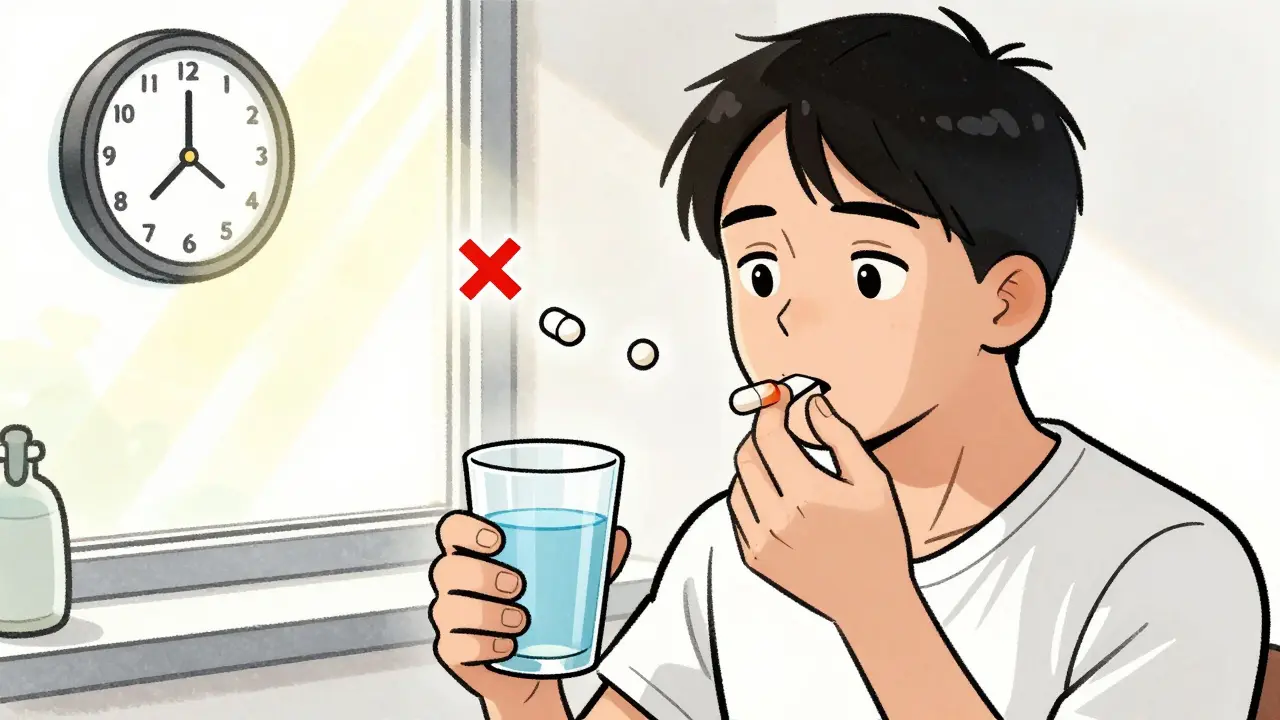
Levothyroxine with Iron and Calcium: How to Separate Doses Correctly
Learn how to properly time levothyroxine with iron and calcium supplements to avoid dangerous interactions that reduce thyroid medication effectiveness. Follow science-backed separation guidelines to keep your TSH in range.
Detail
St. John’s Wort and Prescription Drugs: What You Must Know About Dangerous Interactions
St. John’s Wort can dangerously reduce the effectiveness of birth control, antidepressants, immunosuppressants, and other critical medications. Learn which drugs it interacts with, why the risks are often hidden, and what safer alternatives exist.
DetailRelated Posts