
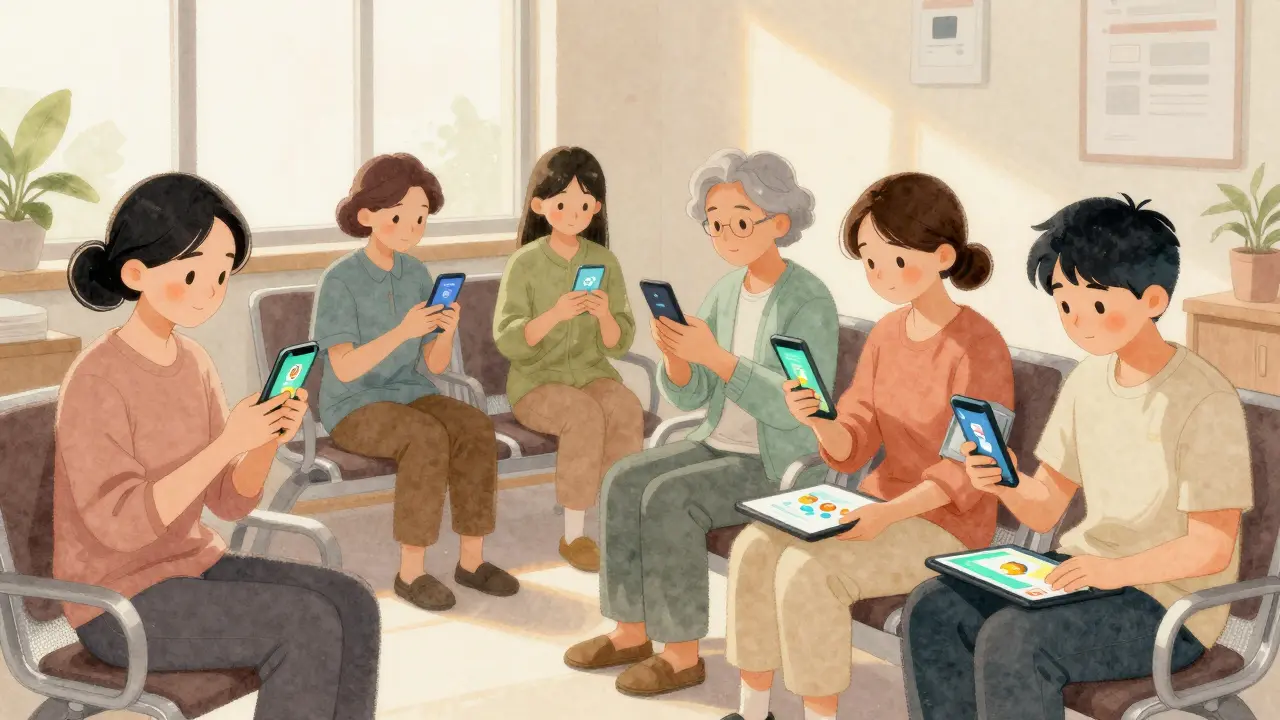
When patients understand their condition, they take better care of themselves. That’s not just a nice idea-it’s backed by data. A 2025 study in the Journal of Patient Education found that people who used digital tools to learn about their diabetes, heart disease, or asthma had 41% fewer emergency visits than those who relied only on paper handouts. The shift from printed pamphlets to apps and e-learning platforms isn’t just convenient-it’s changing outcomes.
Why Digital Tools Work Better for Patient Education
Traditional patient education often means handing someone a brochure and hoping they read it. But most people forget half of what they’re told during a doctor’s visit. Digital tools fix that by making learning interactive, repeatable, and personal.
Apps don’t just show information-they engage. A patient with high blood pressure can watch a 3-minute video on how salt affects their arteries, then test their understanding with a quick quiz. They can track their progress over time. They can hear from others with the same condition. This isn’t passive learning. It’s active participation.
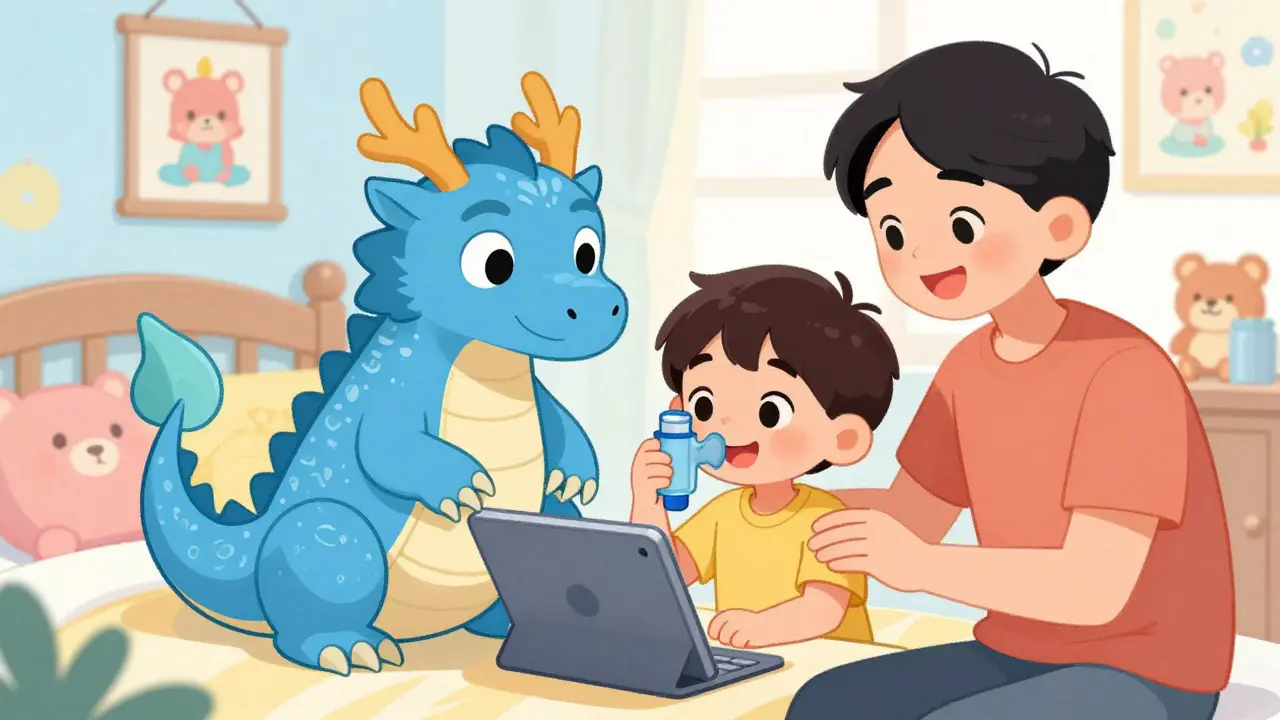
And it’s not just for adults. Tools like Khan Academy Kids have been adapted for pediatric use, helping children with asthma or allergies understand their inhalers through animated stories. Parents report that kids who use these tools are more likely to take their medication without being reminded.
Top Patient Education Apps in 2025
Not all apps are created equal. Some are flashy but useless. Others are simple, reliable, and built by medical experts. Here are the ones making the biggest difference right now.
- MyTherapy (iOS, Android): This app helps patients manage medications, track symptoms, and set reminders. It’s used by over 8 million people worldwide. What sets it apart? It syncs with wearable devices like Fitbit and Apple Watch, so blood pressure, heart rate, and activity levels automatically update. No manual logging needed.
- Ada Health (iOS, Android, Web): Ada uses AI to guide patients through symptom checkers that are clinically validated. It doesn’t diagnose-but it helps users understand what might be going on and when to call their doctor. A 2025 Johns Hopkins study found it reduced unnecessary ER visits by 29% for people with chronic conditions.
- Diabetes Companion (iOS, Android): Built by endocrinologists, this app tracks blood sugar, meals, insulin doses, and exercise. It generates weekly reports patients can email to their care team. One user in Melbourne told us: “I used to forget what I ate. Now I see patterns. My A1C dropped from 8.2 to 6.9 in six months.”
- HealthUnlocked (Web, iOS, Android): This is a social platform where patients with rare diseases connect with others who have the same condition. It’s not a replacement for medical advice-but it reduces isolation. One user with lupus said: “I found someone who’d been through the same treatment. That gave me hope.”
- Snorkl (iOS, Android): Originally designed for classrooms, Snorkl is now being used in clinics. Patients record short videos answering questions like, “What does your chest feel like after walking?” The AI analyzes tone, facial expressions, and keywords to help providers spot subtle changes. Nurses say it catches problems earlier than written notes.
E-Learning Platforms for Patient Education
Apps are great for daily use, but sometimes patients need deeper learning. That’s where e-learning platforms come in.
- BrainPOP Jr. (Patient Edition): Originally for kids, this platform now has modules for adult patients with conditions like COPD, kidney disease, and hypertension. Videos are 3-5 minutes long, animated, and include quizzes. Hospitals in Australia and Canada use it as part of discharge education.
- WeVideo: Some clinics are letting patients create their own videos explaining how they manage their condition. One cardiac rehab center had patients film “A Day in My Life” with their heart monitor. These videos became teaching tools for new patients-and helped the creators feel heard.
- Deck.Toys: Clinics use this to build interactive lessons. For example, a diabetes educator created a game where patients “choose” meals and see how their blood sugar responds. It’s more engaging than a slide deck.
- NotebookLM: Google’s AI tool lets clinicians upload patient handouts, research papers, or even transcripts from visits. It then generates personalized summaries in plain language. A nurse in Sydney told us: “I used to spend 20 minutes rewriting materials for each patient. Now it takes 2.”
What Works-and What Doesn’t
Not every tool delivers. Some fail because they’re too complicated. Others because they ignore real patient needs.
For example, Prodigy Math-a popular game-based learning app for kids-isn’t useful for patients. It’s designed for school, not health. But Kahoot!, the quiz app, has been adapted by some clinics for group education sessions. Patients answer questions about medication safety in a fun, competitive way. Results show better retention than lectures.
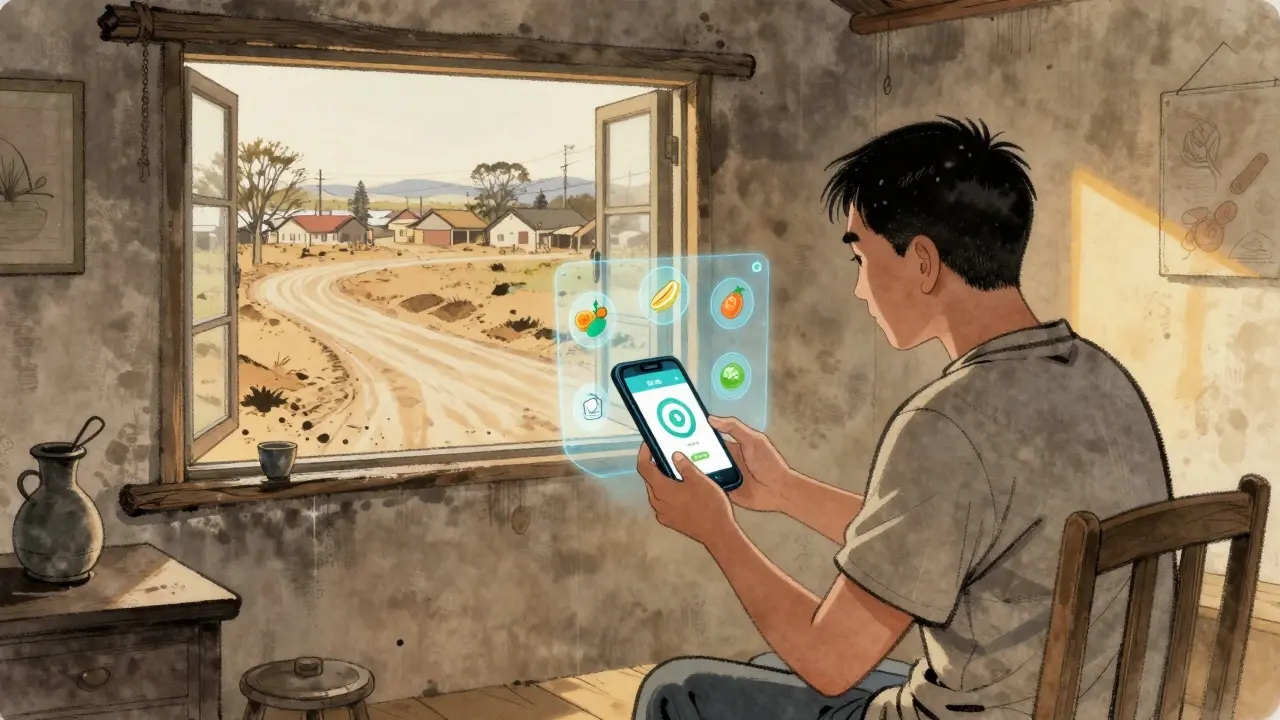
On the flip side, tools that require high-speed internet or expensive devices are a problem. In rural Australia, many patients still use basic phones. That’s why apps like MyTherapy and Diabetes Companion offer offline mode. They save data locally and sync when Wi-Fi is available.
Privacy is another concern. A 2025 report by the Australian Digital Health Agency found that 63% of patient education apps don’t clearly explain how data is stored. Always look for apps that are HIPAA or Australian Privacy Principle compliant. If the app doesn’t say it’s secure, don’t trust it.
How to Choose the Right Tool
Here’s a simple checklist:
- Is it evidence-based? Look for mentions of clinical studies or partnerships with hospitals.
- Is it easy to use? If it takes more than 2 minutes to understand, it’s too complex.
- Does it work offline? Many patients don’t have reliable internet.
- Can it share data with your provider? If it can’t send reports to your doctor, it’s just a diary.
- Is it free or low-cost? Many of the best tools-like MyTherapy and HealthUnlocked-are free. Avoid apps that charge $10/month for basic features.
Don’t be fooled by flashy design. A simple app with clear language and real medical backing beats a beautiful app that gives wrong advice.
The Future of Patient Learning
By 2027, AI tutors will handle 30% of basic patient education, according to Gartner. Imagine asking your phone: “What should I eat if my sugar is high?” and getting a personalized answer based on your history.
But the biggest change won’t be technology-it’ll be mindset. More clinics are treating education like a prescription. Instead of saying, “Read this,” they’re saying, “Here’s your learning plan.”
Some hospitals now give patients a “digital health starter kit” at discharge: a tablet with pre-loaded apps, a QR code to set up reminders, and a 10-minute video tutorial on how to use them. Early results show 50% higher adherence to treatment plans.
And for patients with limited literacy or language barriers, tools like Snorkl and NotebookLM are being trained to support over 50 languages and dialects. This isn’t science fiction-it’s happening now in Melbourne clinics.
Getting Started Today
You don’t need to overhaul your whole approach. Start small.
- Ask your doctor: “Is there an app you recommend for my condition?”
- Try MyTherapy for medication tracking-it’s free and works for almost any chronic illness.
- Watch one video from BrainPOP Jr. (Patient Edition) on YouTube. It’s short, clear, and made by medical experts.
- If you’re feeling alone with your condition, join HealthUnlocked. You’ll find people who get it.
Technology won’t replace your doctor. But it can give you the knowledge and confidence to work with them-better.
Are patient education apps safe for my personal health data?
Not all apps are safe. Look for apps that are certified under Australian Privacy Principles or HIPAA (if you’re in the U.S.). Avoid apps that ask for unnecessary permissions like your contacts or location. Free apps that don’t explain their privacy policy should be avoided. MyTherapy, Ada Health, and HealthUnlocked all have clear, public privacy statements and encrypt your data.
Can I use these tools if I’m not tech-savvy?
Yes. The best patient education tools are designed for people who aren’t tech experts. MyTherapy, for example, has large buttons, simple language, and voice-guided setup. Many hospitals offer free 15-minute training sessions with a health educator. Start with one app-don’t try to use five at once.
Do I still need to see my doctor if I use these apps?
Absolutely. These tools help you understand your condition and track your progress, but they don’t replace medical advice. Use them to prepare for appointments-bring your data, ask questions, and make smarter decisions together. They’re partners, not replacements.
Are there free options for low-income patients?
Yes. MyTherapy, HealthUnlocked, and Khan Academy Kids (Patient Edition) are completely free with no ads. Some clinics also provide free tablets with pre-loaded apps to patients who need them. Ask your local community health center-they often have programs to help.
How do I know if an app is actually helpful and not just a gimmick?
Check if it was developed with input from doctors or hospitals. Look for mentions of peer-reviewed studies or partnerships with universities. Avoid apps that promise to “cure” your condition. Real tools help you manage, not magically fix. If it sounds too good to be true, it probably is.
If you’re managing a chronic condition, your knowledge is your strongest tool. Digital apps and e-learning platforms give you the power to use that knowledge every day-not just during a 10-minute appointment. Start with one tool. Track your progress. Talk to your provider. You’ve got this.


Ted Conerly
January 9, 2026 AT 20:20MyTherapy changed everything for my dad with heart failure. He used to forget meds, now he gets nudges and his BP syncs automatically. No more frantic calls to the clinic because he missed a dose. Simple, reliable, and actually works.
Faith Edwards
January 10, 2026 AT 22:03It’s rather disconcerting to witness the casual elevation of mobile applications as panaceas for deeply complex physiological conditions. One cannot help but note the alarming absence of any critical discourse regarding the commodification of health literacy-these platforms are, after all, corporate products, not clinical interventions. The notion that an algorithm can substitute for nuanced physician-patient dialogue is not merely optimistic-it is dangerously naive.
Jay Amparo
January 12, 2026 AT 15:15Just wanted to say this hit home. In India, we’ve got so many folks with diabetes who don’t have internet, but MyTherapy’s offline mode? Life-changing. My aunt started using it last year-she didn’t even know how to text properly, now she’s tracking her meals and even sharing reports with her doctor. It’s not about tech, it’s about dignity. Everyone deserves to understand their own body.
Lisa Cozad
January 14, 2026 AT 15:04I work in a community clinic and we’ve started handing out QR codes for Diabetes Companion and HealthUnlocked at discharge. Patients love it. One woman said she finally felt less alone after reading posts from others with lupus. It’s not just data-it’s connection. And that’s just as important as the meds.
Saumya Roy Chaudhuri
January 15, 2026 AT 18:57Let’s be real-most of these apps are just glorified diaries with push notifications. Snorkl? AI analyzing facial expressions? That’s not medicine, that’s Silicon Valley fantasy. Real doctors don’t rely on tone detection to catch problems. And don’t get me started on NotebookLM-Google’s dumping patient data into some AI black box and calling it ‘personalized.’ Privacy? Please. If it’s not FDA-approved, it’s a toy.
Ian Cheung
January 16, 2026 AT 16:39Used Ada Health after my chest pain scare last year turned out to be anxiety but still gave me peace of mind. No ER trip. No $2K bill. Just a calm breakdown of what was likely happening. Honestly? More useful than half the ER docs I’ve seen. And it’s free. Why are we still wasting time on paper pamphlets when this exists
anthony martinez
January 17, 2026 AT 04:45Oh great another listicle about apps that ‘change lives.’ Meanwhile, my neighbor’s 78-year-old mom still uses a paper pill organizer because her phone dies after two hours and she doesn’t trust anything with a screen. These tools are great for the tech-savvy. For the rest of us? Still stuck with brochures and hope.
Mario Bros
January 17, 2026 AT 16:08MyTherapy + Apple Watch = game changer. I used to ignore my meds until I felt awful. Now I get a little ping, do my thing, and boom-my heart rate trends show up. I didn’t think I’d ever care about my BP until I saw the graph. It’s like having a coach in your pocket 😊
Jake Nunez
January 19, 2026 AT 07:29As someone who grew up in rural Kentucky, I know firsthand how useless fancy apps are if you don’t have broadband. But MyTherapy’s offline mode? That’s the real innovation. No flashy UI, no ads, just works when you need it. The future isn’t about AI-it’s about accessibility.
Christine Milne
January 19, 2026 AT 10:48These so-called ‘evidence-based’ tools are largely funded by pharmaceutical interests. The Journal of Patient Education? A vanity publication for med-tech startups. Meanwhile, real medicine-personalized, human, and slow-is being replaced by algorithmic convenience. This isn’t progress. It’s corporate colonization of healthcare.
Bradford Beardall
January 19, 2026 AT 18:38Curious-has anyone tried using these tools with elderly patients who speak only Spanish or Tagalog? I’ve seen clinics in Texas and California start using Snorkl and NotebookLM with multilingual support. One grandma recorded her symptoms in Tagalog and the AI translated them into her son’s English summary. That’s not magic. That’s equity.
McCarthy Halverson
January 21, 2026 AT 01:43Start with MyTherapy. Free. Works offline. Syncs with watches. Tracks meds. That’s all you need. Don’t overcomplicate it. One app. One habit. That’s how you win.