Medication Safety: How to Avoid Harm, Interactions, and Fake Drugs
When you take a pill, you’re trusting a system that’s supposed to keep you safe—but medication safety, the practice of using drugs correctly to avoid harm, misuse, or life-threatening errors. Also known as drug safety, it’s not just about following dosage instructions. It’s about understanding what’s in your medicine, who made it, and whether it’s even real. Every year, millions of people are harmed by drug interactions, expired pills, or counterfeit medications that look just like the real thing. The FDA approves generics to be just as effective as brand-name drugs, but that doesn’t mean all pills on the market are trustworthy. If you’re taking metformin for diabetes or warfarin for blood thinning, a single interaction with St. John’s Wort or a fake version of your drug could land you in the hospital.
Drug interactions, when two or more medications affect each other’s action in your body. Also known as pharmacological interactions, they’re one of the most preventable causes of hospital visits. St. John’s Wort might help with mild depression, but it can make birth control fail or stop your transplant meds from working. Same goes for SGLT2 inhibitors and kidney function—dosing changes aren’t optional when your eGFR drops. And if you’re using topical creams during pregnancy or taking loperamide for IBD, you need to know what’s safe and what’s not. These aren’t hypothetical risks. Real people get sick because they didn’t know.
Counterfeit medications, fake drugs that mimic real prescriptions but contain dangerous or inactive ingredients. Also known as fake pills, they’re flooding the market—from Ozempic to heart meds—and they’re not always sold on shady websites. Some end up in legitimate pharmacies through supply chain gaps. The FDA seizes millions of these every year. One batch of fake metformin could have lead in it. Another might have no active ingredient at all. Even generic drugs, which save you money and are just as safe when approved properly, can be compromised if you buy from unverified sources. And if you’re disposing of old pills, you’re not just tossing plastic bottles—you’re risking your privacy. Prescription labels hold your name, diagnosis, and doctor’s info. If they’re not shredded or properly destroyed, identity thieves can use that data.
Medication safety isn’t a one-time checklist. It’s a habit. It’s checking if your thyroid eye disease meds are still effective after a power outage. It’s knowing when to switch from brand to generic without losing control of your blood pressure. It’s asking if that new supplement interacts with your beta blocker. It’s making sure your emergency kit doesn’t expire before you need it. The posts below cover every real-world scenario where safety breaks down—and how to fix it before it’s too late.
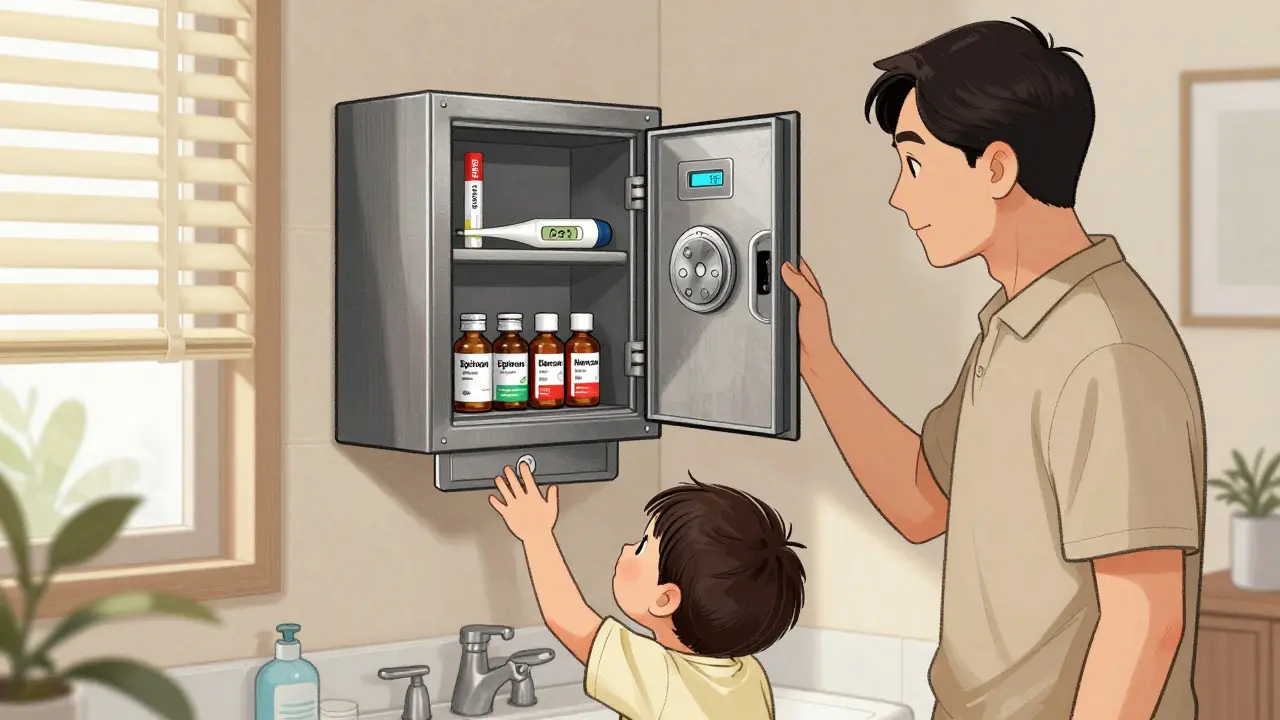
How to Keep Emergency Medications Accessible but Secure
Learn how to store emergency medications like epinephrine and naloxone so they’re safe from kids and theft-but still quick to grab in a crisis. Practical tips for home, car, and caregivers.
Detail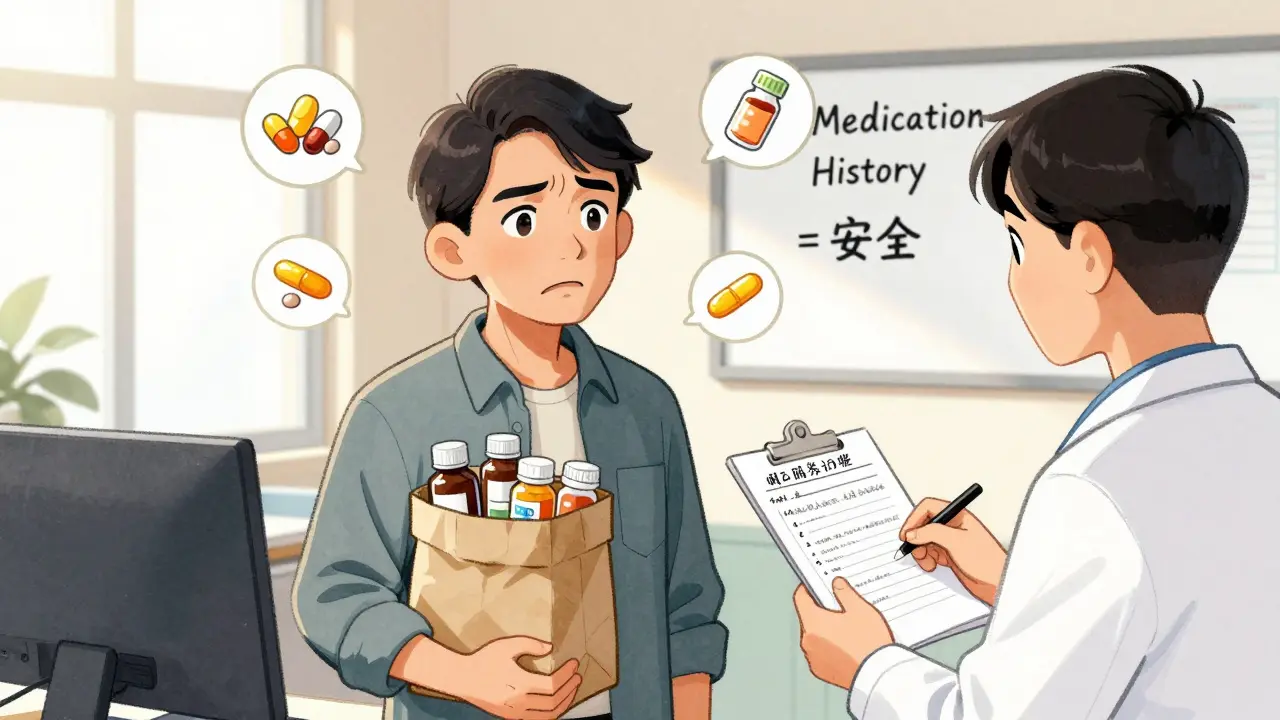
How to Share Your Medical History for Safer Medication Decisions
Sharing your complete medical history-including prescriptions, OTC drugs, and supplements-is essential to avoid dangerous medication errors. Learn how to create and use an accurate list to keep yourself safe.
Detail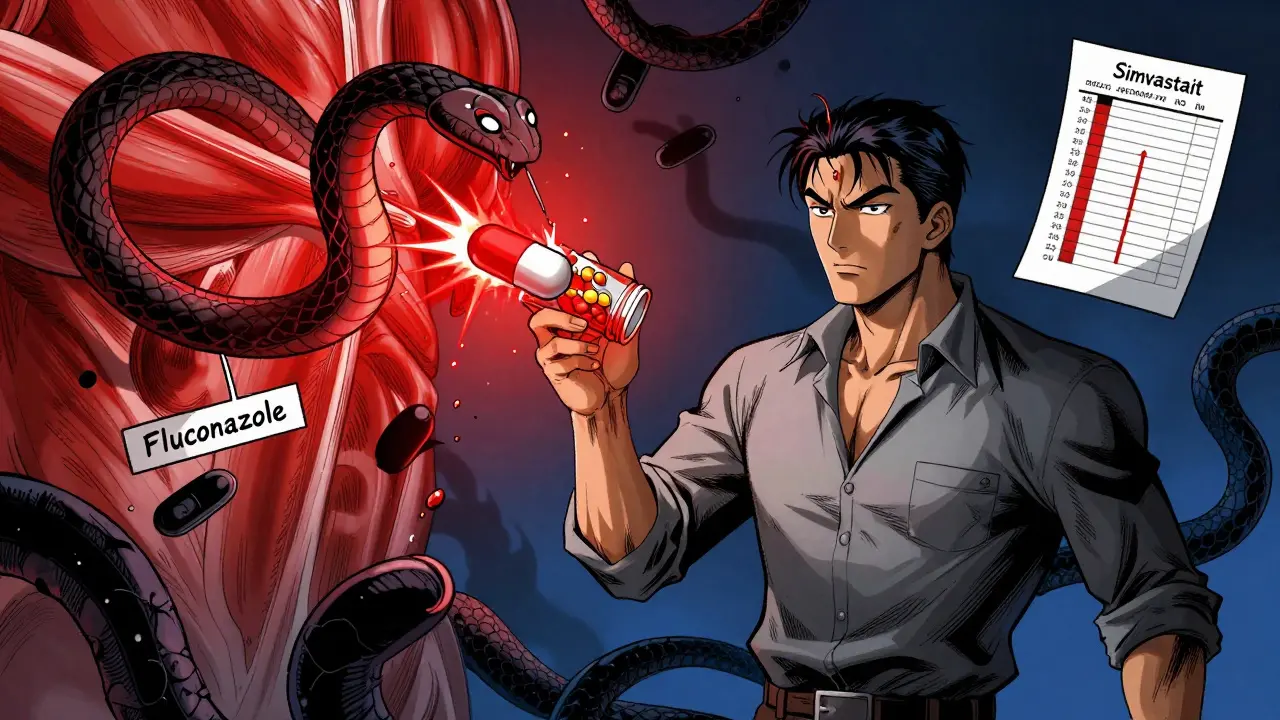
Drug Interactions Discovered After Approval: What You Need to Know
Many dangerous drug interactions aren't found until after a medication is widely used. Learn how post-market surveillance catches hidden risks like statin-antifungal clashes and grapefruit dangers - and what you can do to stay safe.
Detail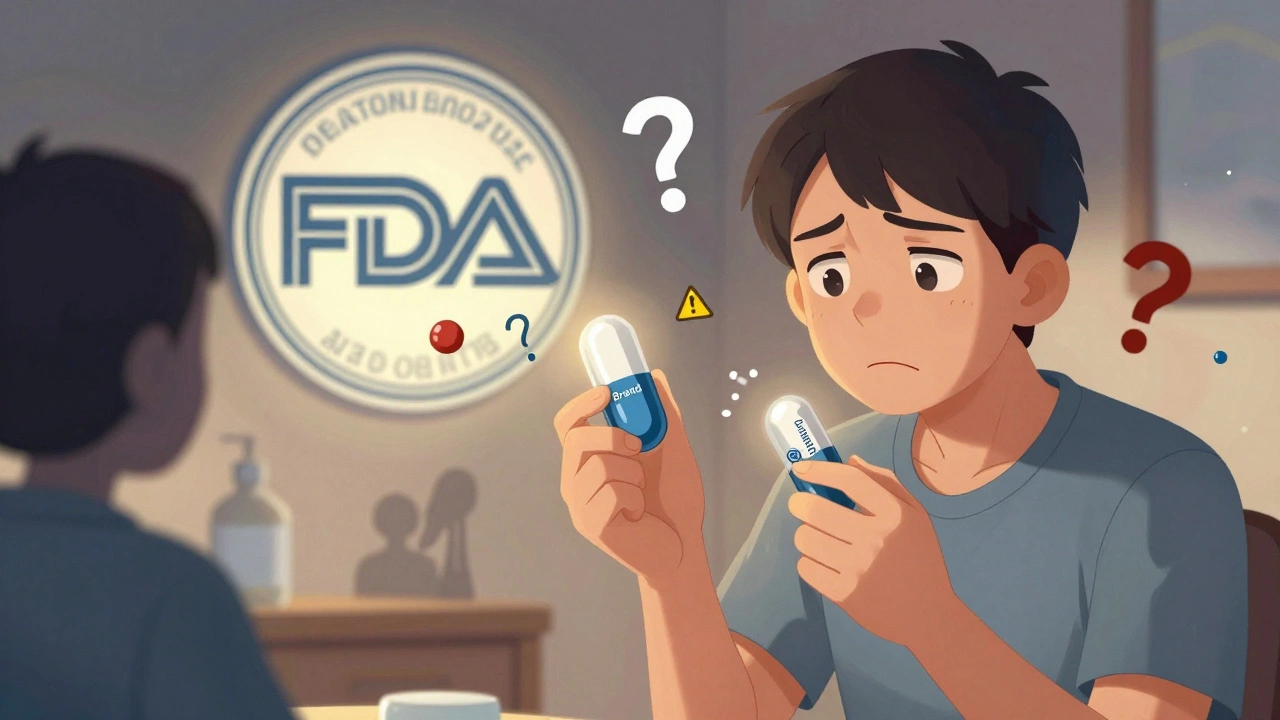
Drug Interaction Issues: When Generics Interact Unexpectedly
Generic drugs are just as safe as brand-name versions, but misconceptions about interactions persist. Learn why some people feel different after switching - and how to stay safe without overpaying.
Detail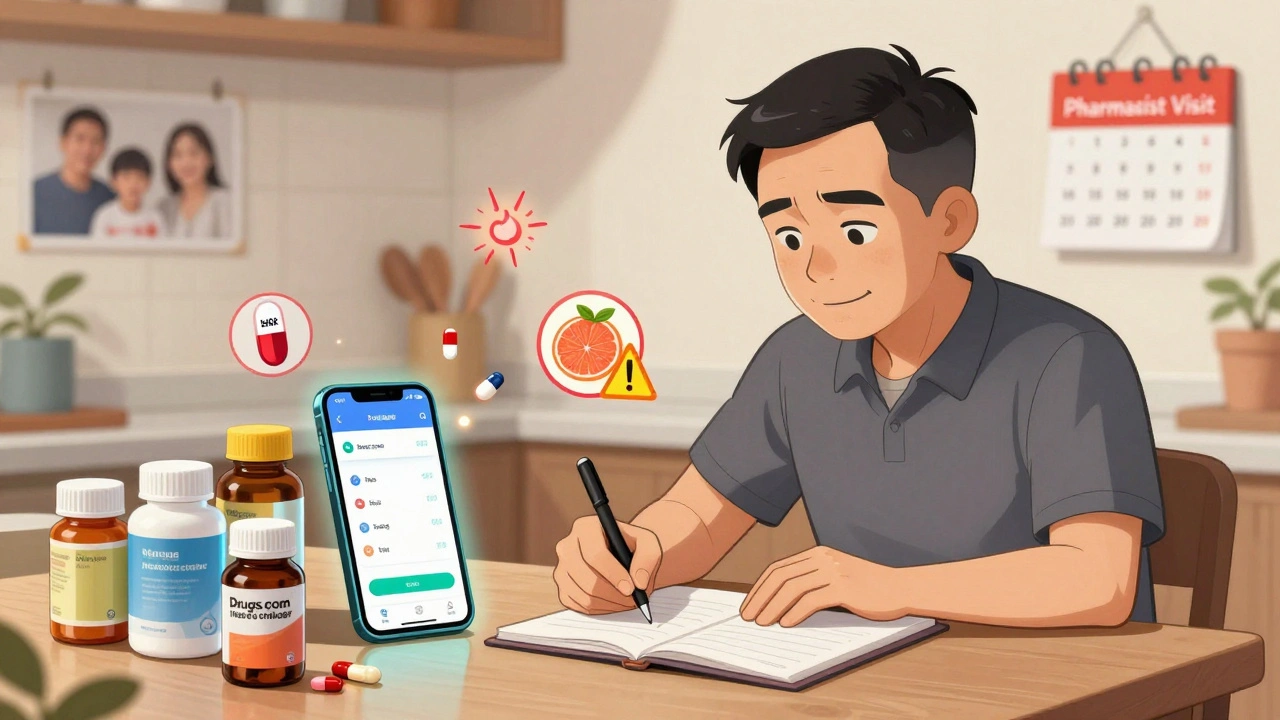
How to Check for Drug Interactions at Home Safely
Learn how to safely check for drug interactions at home using free tools, what to look for, and when to call your pharmacist. Avoid dangerous combos between prescriptions, OTC meds, and supplements.
DetailRelated Posts