
Generic Drugs: What They Are, How They Save Money, and What You Need to Know
When you hear generic drugs, pharmaceutical products that contain the same active ingredients as brand-name drugs but are sold under their chemical name. Also known as off-patent drugs, they work the same way, in the same dose, and with the same risks and benefits — but often cost 80% less. That’s not marketing. That’s science. The FDA requires every generic drug to match the brand-name version in strength, purity, and how fast it works in your body. This isn’t guesswork — it’s called bioequivalence, the scientific proof that a generic drug performs identically to its brand-name counterpart in the human body. And over 90% of prescriptions filled in the U.S. are for generics because they deliver the same results without the premium price tag.
So why do brand-name drugs cost so much? It’s not because they’re better. It’s because the company that invented them spent years and hundreds of millions on clinical trials to get FDA approval. Once the patent runs out, other companies can make the same drug without repeating those expensive tests. They just prove it works the same way. That’s the whole point of the Hatch-Waxman Act, the 1984 law that created the legal pathway for generic drugs to enter the market while protecting brand-name innovation. It’s why you can buy metformin for $4 instead of Glucophage for $200. It’s why you can get the same blood pressure pill as Combipres, but cheaper. And it’s why the FDA’s ANDA approval, the Abbreviated New Drug Application process that lets generic manufacturers skip redundant clinical trials exists — to make medicines affordable, not to cut corners.
But here’s the catch: generics don’t always show up right away. Even after a patent expires, legal tricks like patent thickets, settlement deals, and regulatory delays can hold them back for years. That’s why some drugs sit at high prices long after they should be cheap. And not all generics are created equal — some are made overseas, and quality control varies. That’s why knowing where your meds come from matters. It’s also why checking for drug interactions, when two or more medications affect each other’s effectiveness or safety is just as important with generics as it is with brands. St. John’s Wort, for example, can wreck the effect of birth control or antidepressants — whether they’re generic or not.
You might think generics are only for people without insurance. But even with Medicare Part D or private plans, the copay difference is huge. A $5 generic vs. a $50 brand-name drug adds up fast — hundreds, sometimes thousands, a year. And if you’re managing chronic conditions like diabetes or high blood pressure, those savings aren’t optional. They’re life-changing. That’s why knowing how to compare generic copays, the out-of-pocket cost patients pay for generic medications under their insurance plan versus brand-name copays isn’t just smart — it’s essential.
What you’ll find below is a real-world guide to how generic drugs actually work in your life — from how the FDA approves them, to why some take years to appear, to how to spot fake pills, to how to get them for free if you’re underinsured. No fluff. No theory. Just what you need to know to save money, stay safe, and get the same results you’d get from a brand-name drug — for a fraction of the cost.
Blockbuster Patent Expirations: What to Expect in 2025 and Beyond
Pharmaceutical patent expirations from 2025-2030 will see $250 billion in drug sales face generic competition. Key drugs like Keytruda and Entresto will drop in price, saving patients billions. Companies are racing to develop new therapies and prepare for market shifts. Patients can expect cheaper medications, but supply chain challenges may arise. This timeline reshapes healthcare economics and drug access globally.
Detail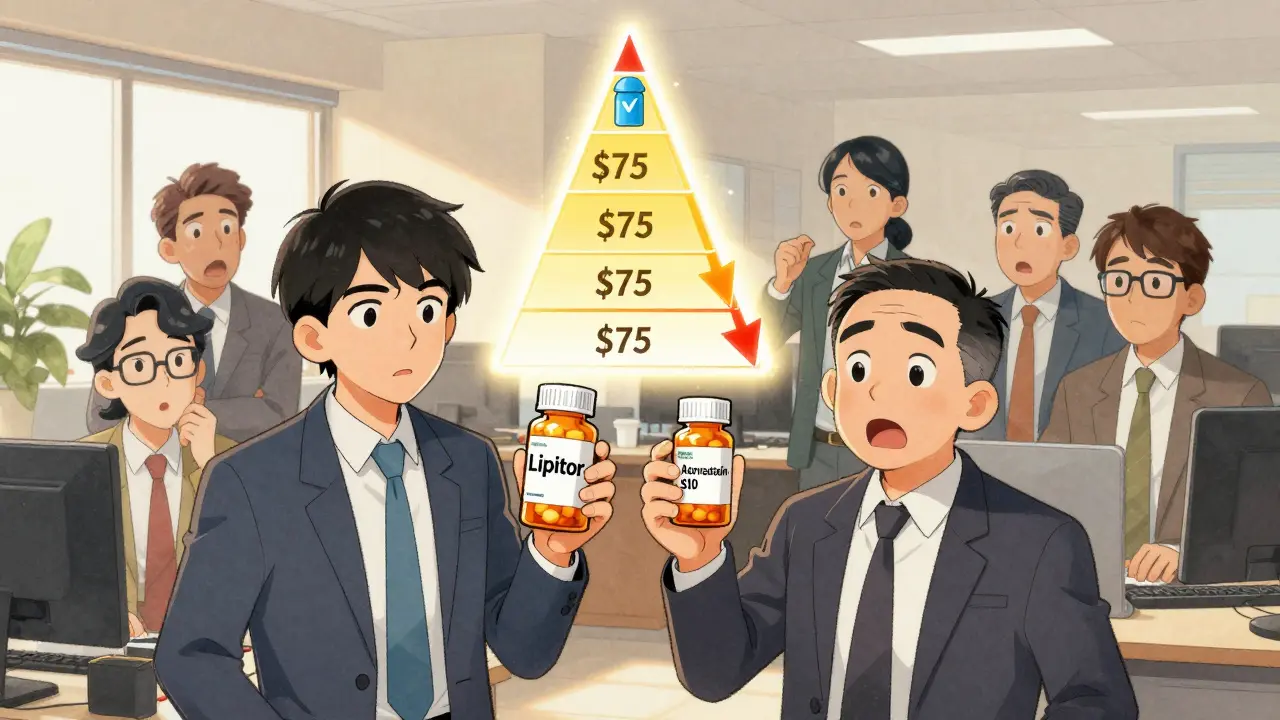
Employer Health Plans and Generic Drugs: How Formularies Impact Your Prescription Costs
Learn how employer health plans use formularies to steer you toward generic drugs, what the tiers mean for your out-of-pocket costs, and how to navigate changes when your medication gets dropped from coverage.
Detail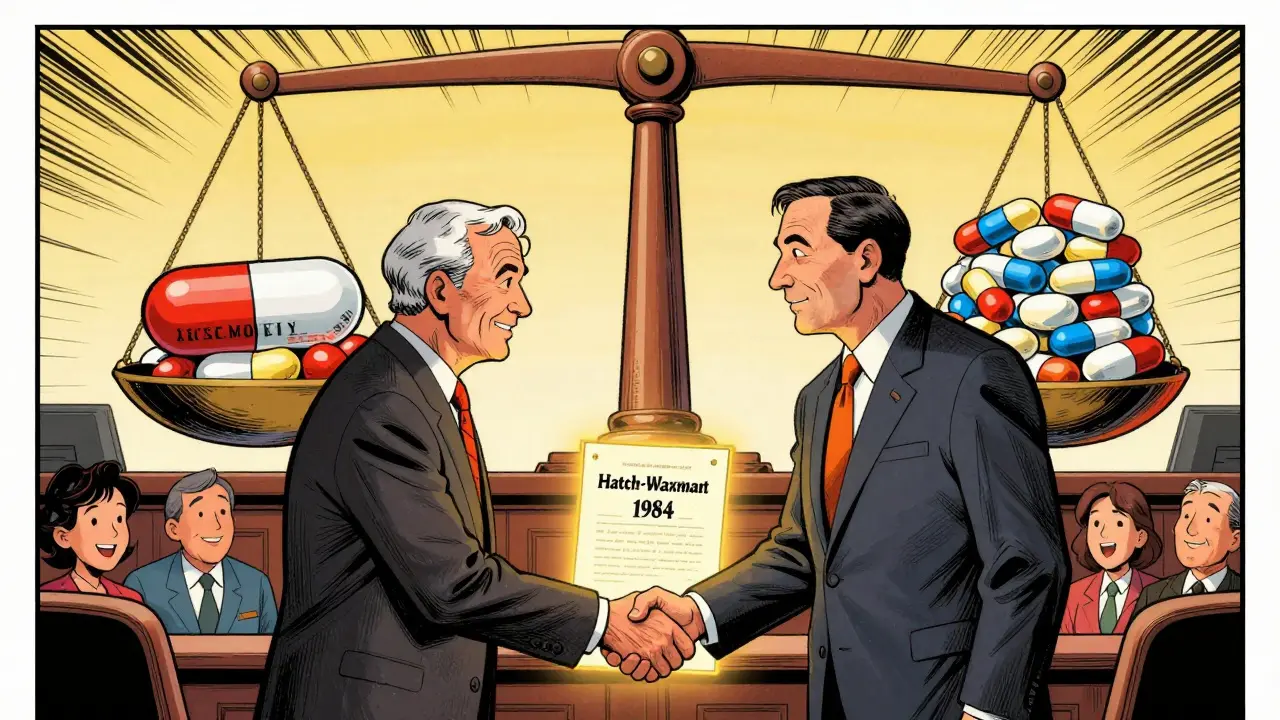
Hatch-Waxman Amendments: How Landmark Law Made Generic Drugs Possible
The Hatch-Waxman Amendments of 1984 created the modern generic drug system in the U.S., allowing cheaper copies of brand-name drugs while protecting innovation. Today, 90% of prescriptions are filled with generics thanks to this law.
Detail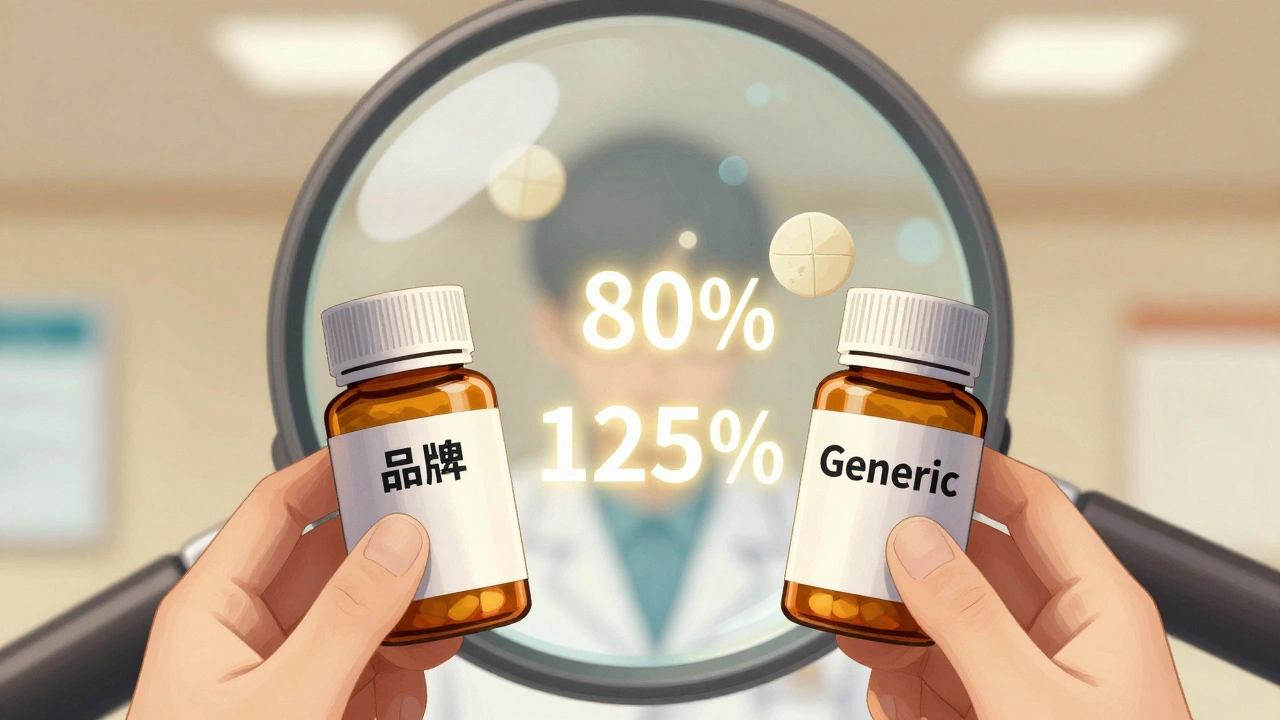
Batch Variability and Bioequivalence: What Acceptable Limits Really Mean for Generic Drugs
Batch variability can make or break generic drug safety. Learn how regulators are changing bioequivalence standards to ensure consistent, reliable generic medications-without compromising access or cost.
Detail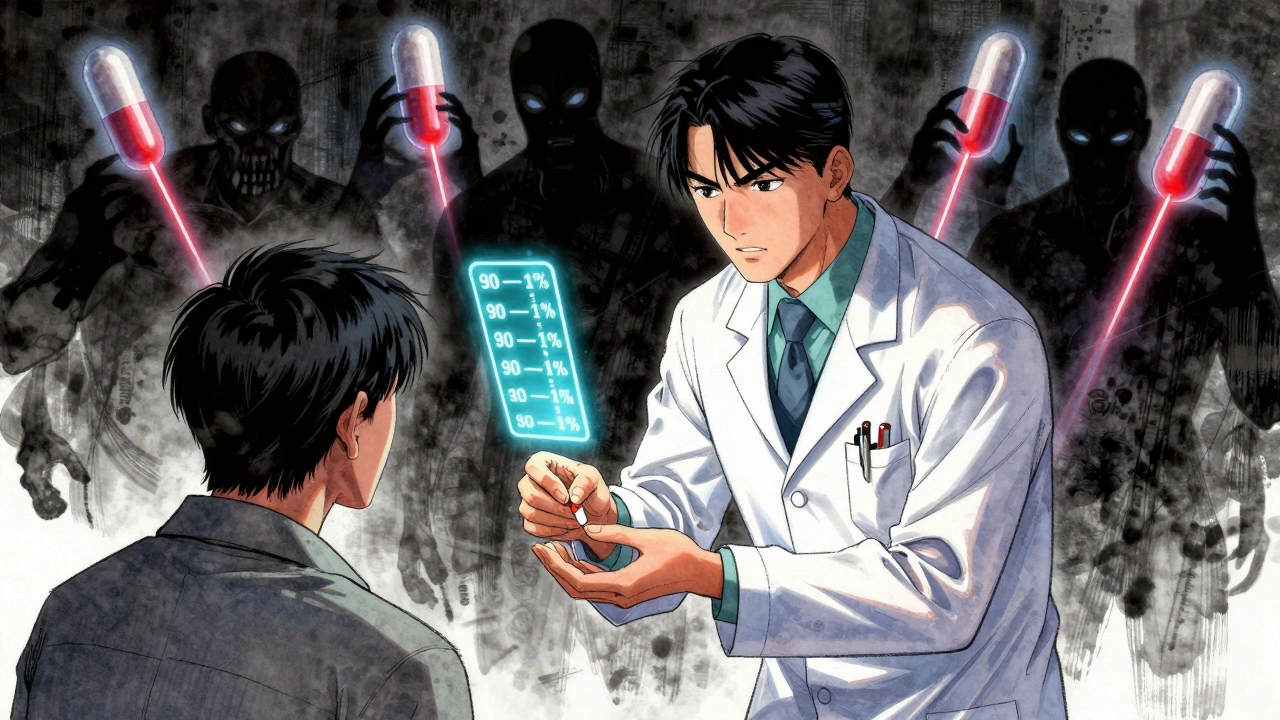
FDA Bioequivalence Standards for NTI Drugs: What You Need to Know
The FDA enforces stricter bioequivalence standards for narrow therapeutic index (NTI) drugs like warfarin, phenytoin, and digoxin. Learn how 90-111% limits, replicate studies, and tighter quality controls ensure patient safety with generic versions.
Detail