Medications in November 2025: Diabetes, Thyroid Eye Disease, Shingles, and Drug Safety
When you’re managing a chronic condition like diabetes medications, drugs used to control blood sugar levels, including metformin, GLP-1 agonists, and insulin. Also known as antihyperglycemic agents, these are among the most commonly prescribed drugs worldwide. Side effects matter—some cause nausea, others increase infection risk. In November 2025, readers learned how to weigh those risks against long-term benefits, especially with newer options like SGLT2 inhibitors that also protect the heart. This isn’t just about pills—it’s about choosing the right tool for your body, lifestyle, and budget.
Then there’s thyroid eye disease, an autoimmune condition linked to thyroid disorders that causes bulging eyes, double vision, and pain. Also known as Graves’ ophthalmopathy, it’s not just cosmetic—it can threaten vision. Treatments like teprotumumab, a biologic drug approved for active TED that reduces inflammation and eye protrusion and steroids are changing outcomes. Timing is everything: treat early, before scarring sets in. November’s posts showed how quickly this field is moving, with patients now asking not just "What drug?" but "When should I start?"
And when it comes to prevention, the shingles vaccine, the only vaccine available in the U.S. as of 2025, designed to prevent shingles and its painful complication, postherpetic neuralgia. Also known as Shingrix, it’s recommended for adults 50 and older. But getting both doses on schedule? That’s where people slip up. One post broke down exactly when to get each shot, what side effects to expect (fatigue, sore arm), and why skipping the second dose leaves you vulnerable to nerve pain that can last years.
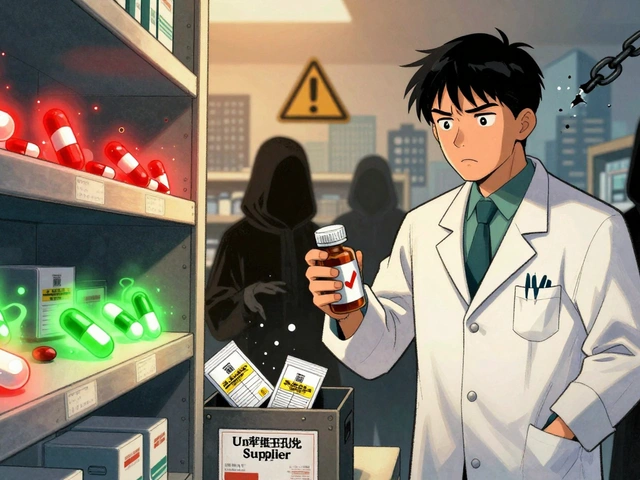
But medications aren’t just about taking them—they’re about handling them safely. drug safety, the practice of using, storing, and disposing of medications to avoid harm, identity theft, or environmental damage became a major theme. How do you throw away a prescription bottle without exposing your name, DOB, and diagnosis? Simple steps—like scratching off labels or using shredders—can prevent identity theft. And if you’re storing emergency meds for disasters, heat and moisture can turn lifesaving pills into useless powder. November’s guides showed how to keep them stable during power outages, using airtight containers and cool, dark spots.
It wasn’t all about big diseases. People searched for free meds at community clinics, compared herbal energy syrups like Geriforte to Ashwagandha, and learned why generic drugs don’t show up right after patents expire. Some posts dug into legal tricks that delay generics, while others warned about counterfeit Ozempic pills flooding online markets. One article even explained how EU citizens can now get prescriptions filled across borders using digital systems—something that didn’t exist five years ago.
And then there’s the quiet danger: St. John’s Wort, a popular herbal supplement for mild depression that can dangerously reduce the effect of birth control, blood thinners, and transplant drugs. People think "natural" means safe. It doesn’t. One post shared real cases where women got pregnant despite using birth control, all because they didn’t tell their doctor about their daily herbal tea.
From pregnancy-safe creams to the hidden risks of chloroquine, this month’s collection didn’t just list facts—it showed how medication decisions ripple through your life. Whether you’re managing diabetes, worried about eye damage, or just trying to dispose of an old bottle without risking your identity, the answers aren’t hidden in fine print. They’re right here—in plain language, backed by real cases, and focused on what actually matters to you.
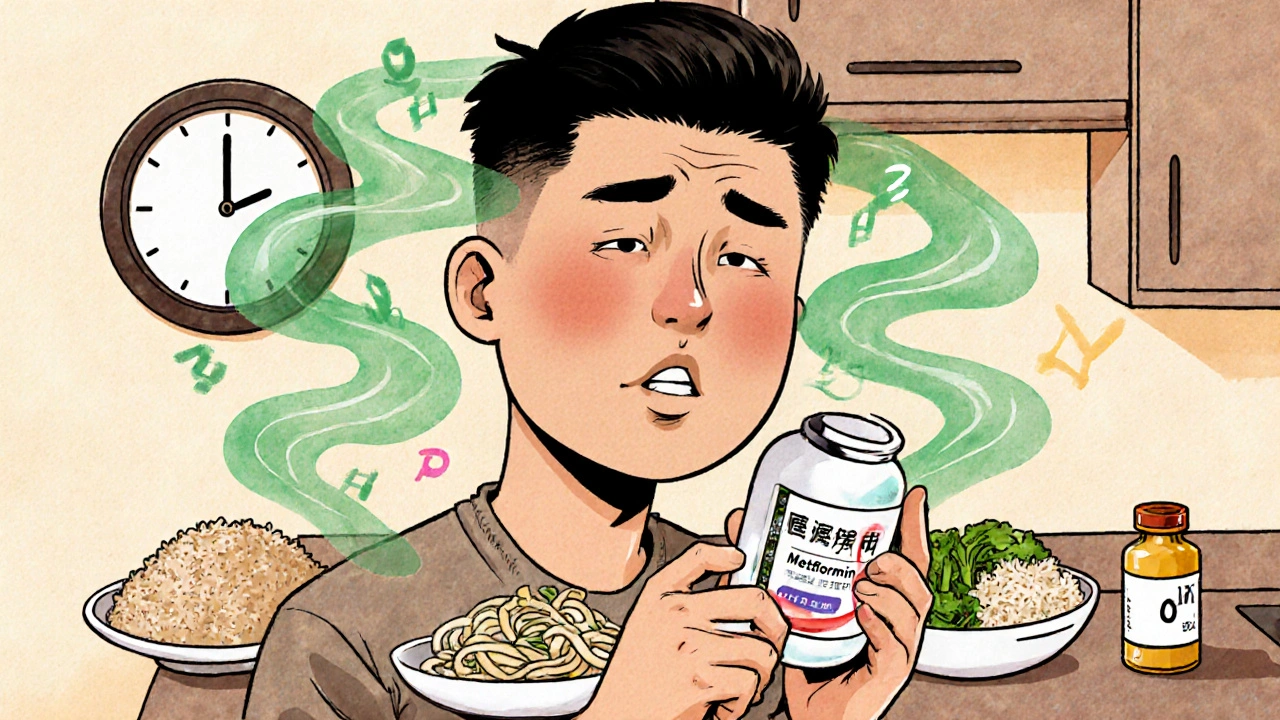
Diabetes Medications and Side Effects: What to Expect
Learn what side effects to expect from common diabetes medications like metformin, SGLT2 inhibitors, GLP-1 agonists, and insulin. Understand risks, how to manage them, and how to choose the best option for your body.
Detail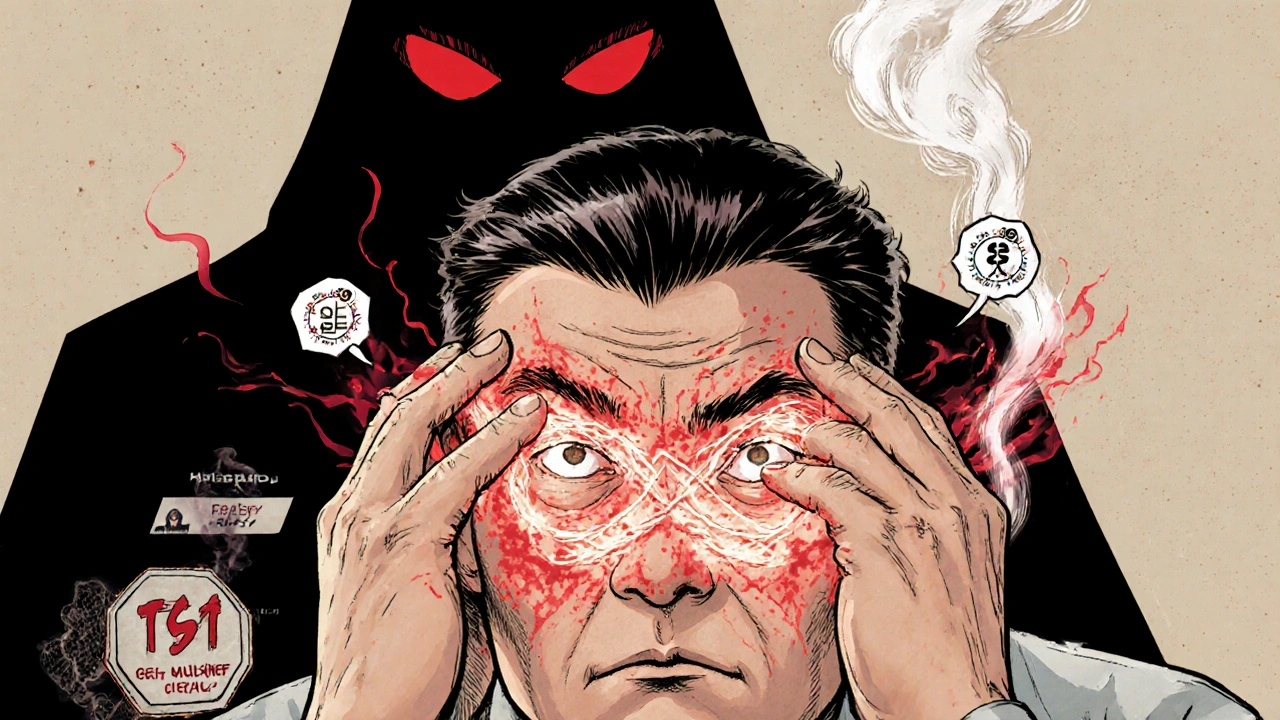
Thyroid Eye Disease: Symptoms, Steroids, and Biologics Explained
Thyroid Eye Disease causes bulging eyes, double vision, and pain. Learn how steroids and biologics like teprotumumab treat active inflammation, why timing matters, and what new treatments are on the horizon.
Detail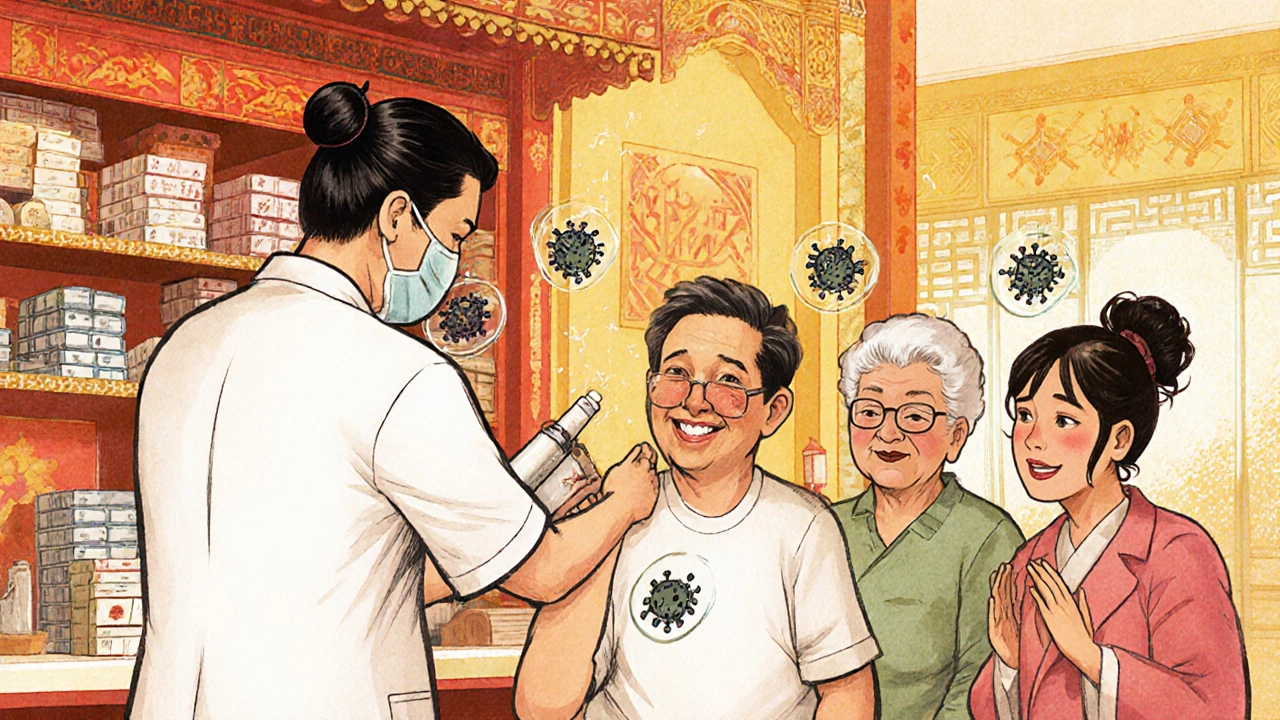
Shingles Vaccine: Who Should Get It and When in 2025
Shingrix is the only shingles vaccine available in the U.S. as of 2025. Learn who should get it, when to get both doses, what to expect with side effects, and how to stay protected against long-term nerve pain.
Detail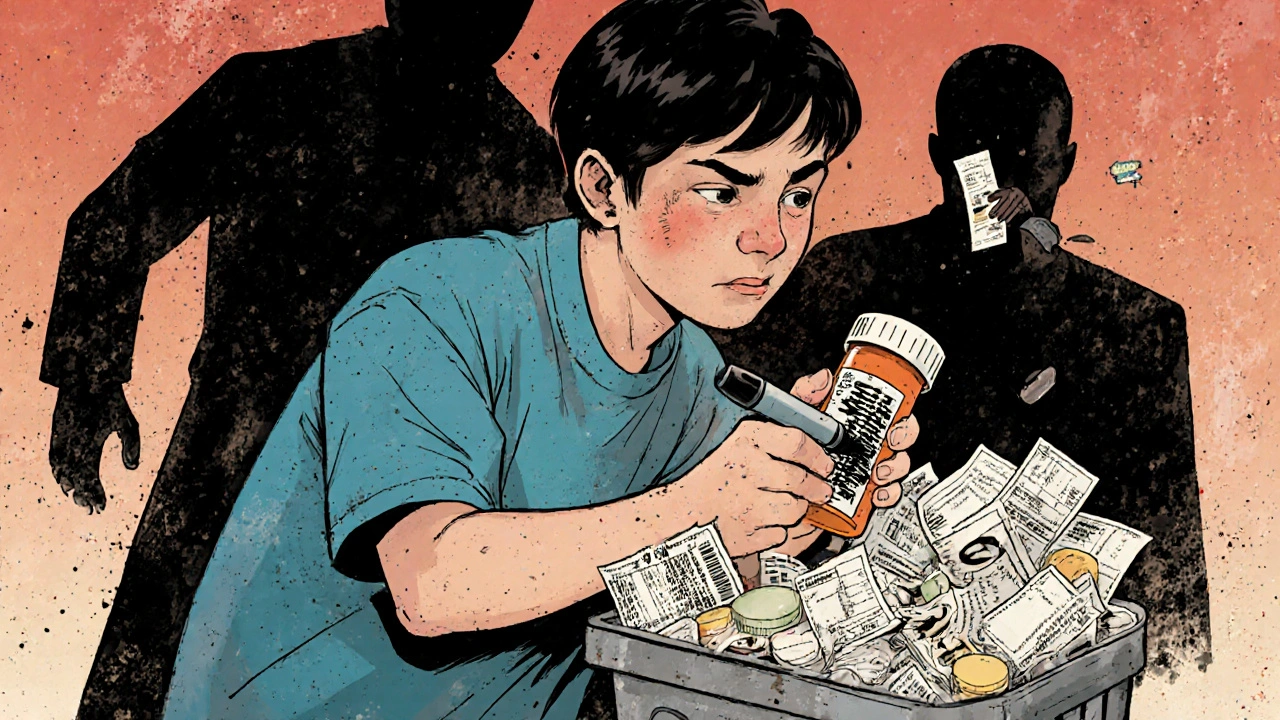
How to Protect Your Privacy When Disposing of Medications
Learn how to safely dispose of medications while protecting your personal information. Follow simple steps to prevent identity theft and keep your medical data private.
Detail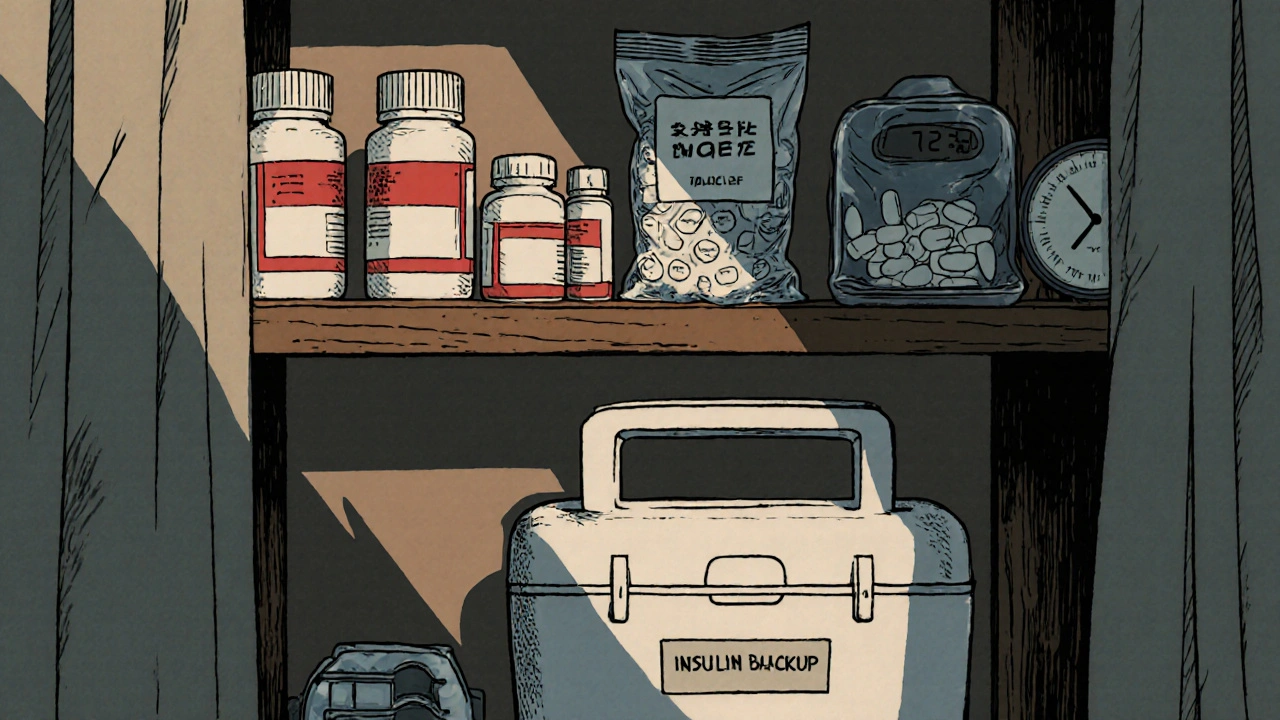
How to Store Emergency Kits to Maximize Medication Shelf Life
Learn how to store emergency medications properly to prevent spoilage and ensure they work when you need them most. Avoid common mistakes and use proven methods to extend shelf life during power outages and disasters.
Detail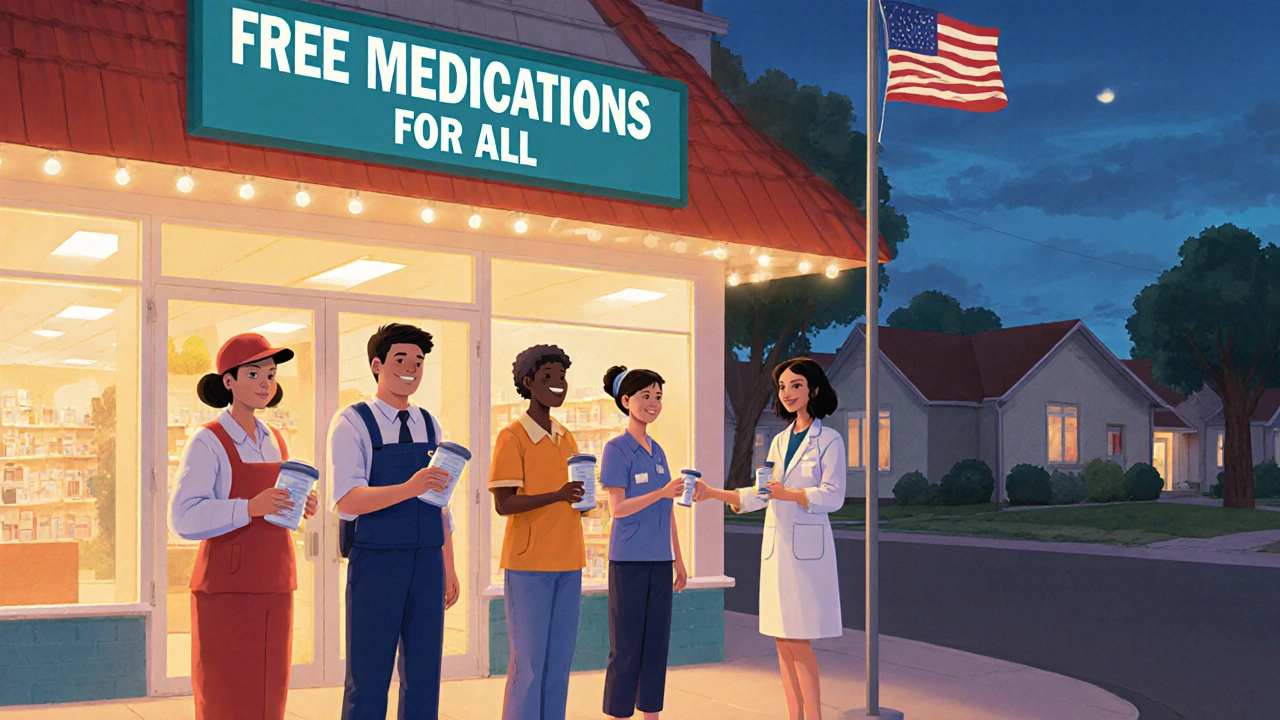
Where to Find Free or Low-Cost Medications at Community Clinics
Discover where to find free or low-cost medications at community clinics if you're uninsured or underinsured. Learn eligibility, how to apply, and which drugs are available - without insurance.
Detail
St. John’s Wort and Dangerous Drug Interactions: What You Must Know
St. John's Wort may help with mild depression, but it can dangerously reduce the effectiveness of warfarin, birth control, HIV meds, and transplant drugs. Learn the real risks and what you must do to stay safe.
Detail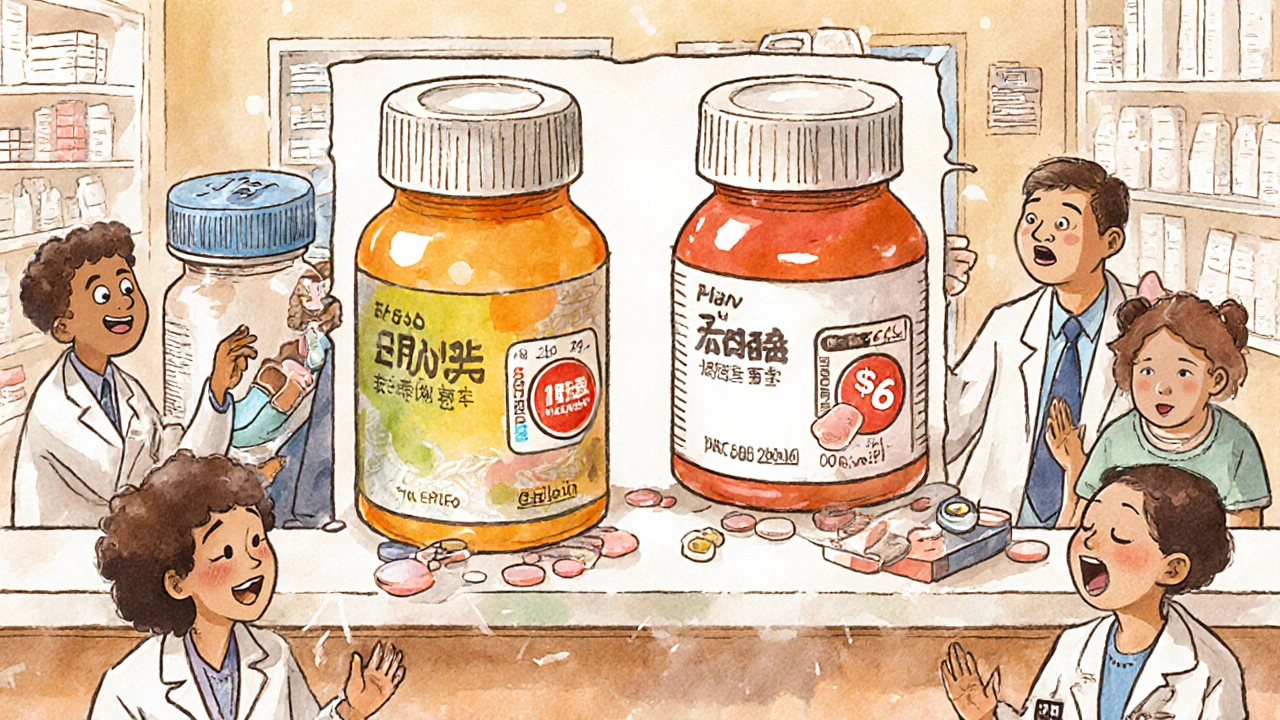
Why Generic Medications Cost Less for Patients and Insurers
Generic medications cost far less than brand-name drugs because they don’t need expensive clinical trials. They’re just as effective, and with smart shopping, patients can save hundreds a year.
Detail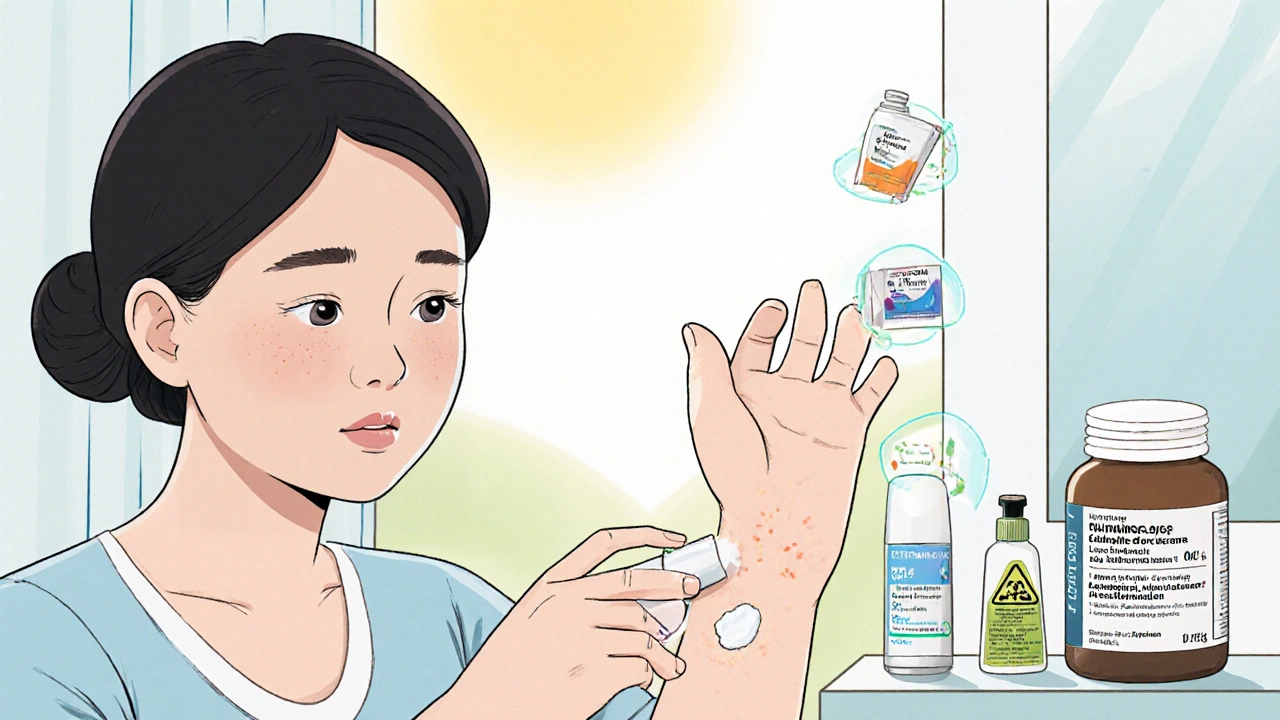
Safe Topical Medications and Creams During Pregnancy: What You Can and Can’t Use
Learn which topical creams and medications are safe to use during pregnancy, from acne treatments to eczema creams. Avoid risky ingredients and use the safest options with confidence.
Detail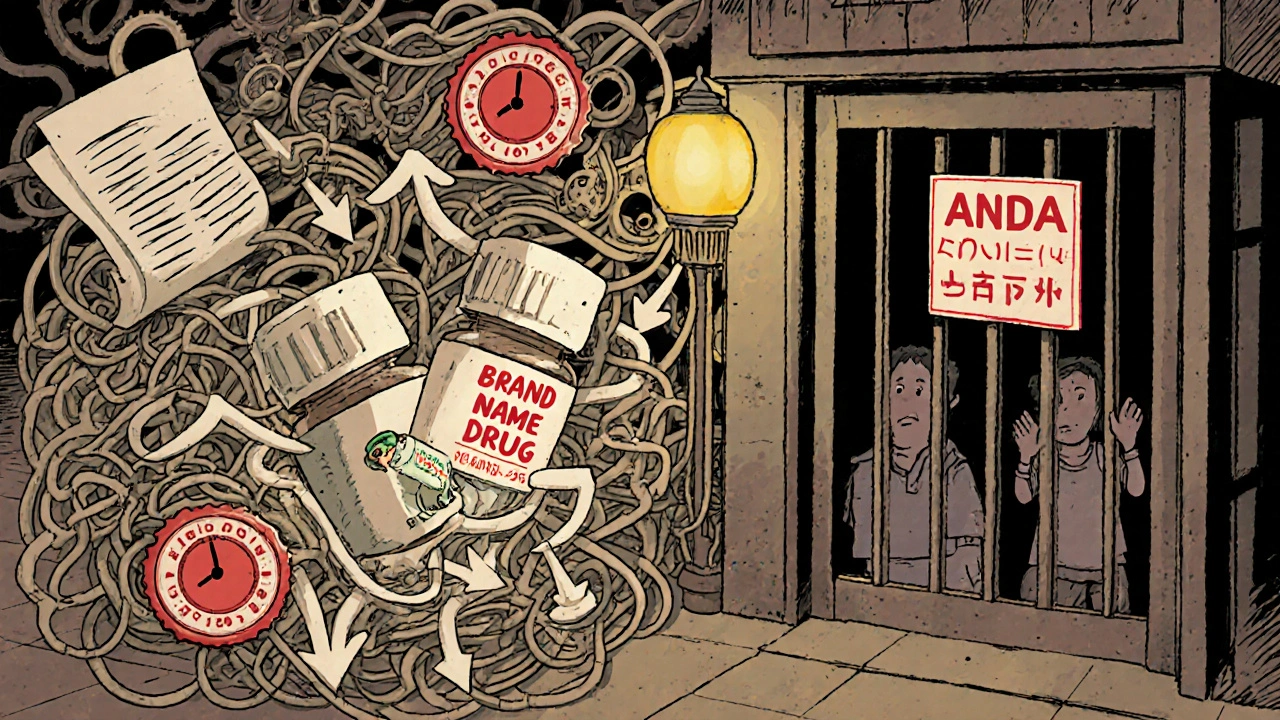
Generic Drug Availability: How Long After Patent Expiration Do They Actually Hit Shelves?
Generic drugs often take years to appear after a brand-name drug’s patent expires due to legal delays, patent thickets, and regulatory hurdles. Learn why cheaper versions don’t hit shelves right away - and what’s being done about it.
DetailRelated Posts