
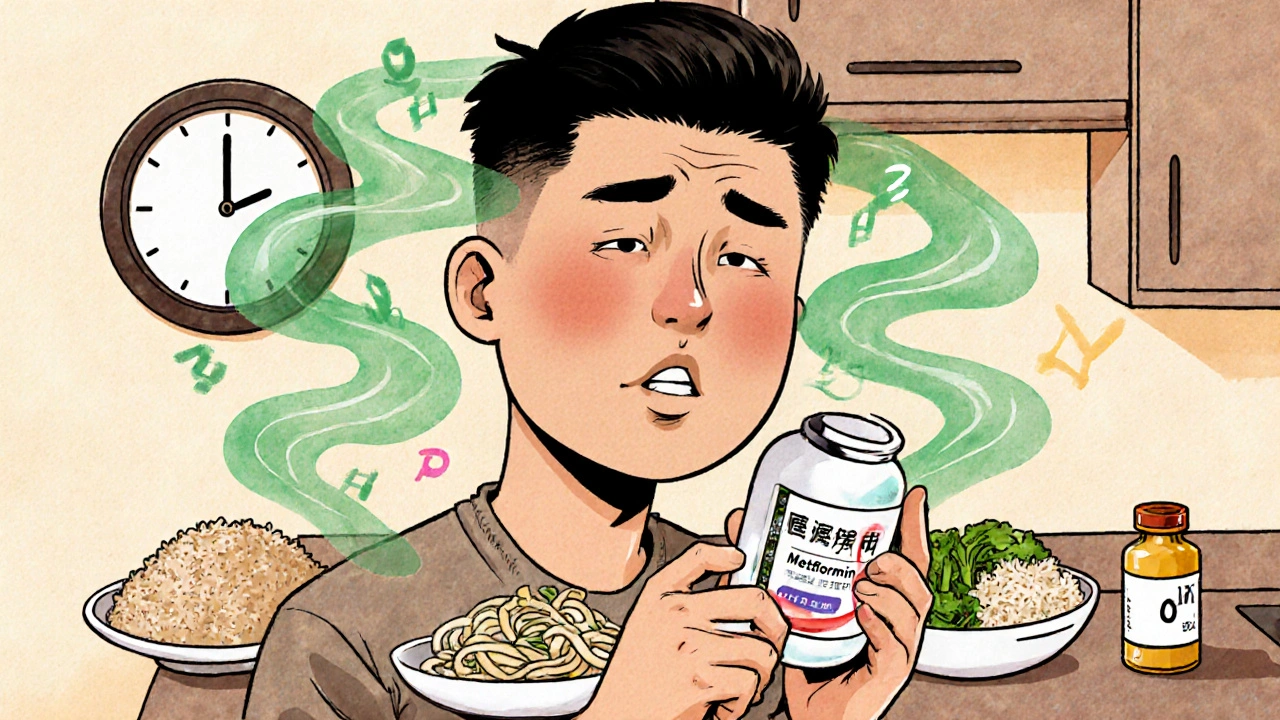
When you're first diagnosed with diabetes, the focus is often on blood sugar numbers. But as you start taking medication, you quickly learn that managing diabetes isn’t just about numbers-it’s about how your body reacts to the drugs meant to help you. The right medication can bring your HbA1c down, protect your heart and kidneys, and even help you lose weight. But it can also bring nausea, low blood sugar, infections, or worse. Knowing what to expect isn’t just helpful-it’s essential for staying on track.
Metformin: The First-Line Choice with Common but Manageable Side Effects
Most people with type 2 diabetes start with metformin. It’s cheap, effective, and has been used for decades. It doesn’t cause weight gain or low blood sugar on its own, and studies show it lowers heart disease risk. But about 1 in 3 people can’t tolerate it at first.
Nausea, diarrhea, and stomach cramps are the usual culprits. In one 2021 study, 26% of users reported nausea, 23% had diarrhea, and nearly 20% felt ongoing abdominal discomfort. These aren’t rare-they’re normal, especially when you start. The good news? They usually fade after a few weeks. Starting with a low dose-like 500 mg once a day with dinner-and slowly increasing helps. Switching to the extended-release version cuts GI side effects by half, according to a 2021 study in Diabetes Therapy.
There’s another hidden issue: vitamin B12 deficiency. Long-term metformin use (5+ years) can lower B12 levels in 10-30% of users. Symptoms? Fatigue, tingling in hands and feet, brain fog. The NHS recommends annual blood tests for anyone on metformin for more than two years. If levels are low, a monthly B12 injection fixes it in most cases within 3 months.
Sulfonylureas: Effective but Risky for Low Blood Sugar
Drugs like glyburide and glipizide push your pancreas to make more insulin. They work fast and are inexpensive. But they come with a big trade-off: hypoglycemia.
A 2022 study in Diabetes Care found that 16% of users had at least one low blood sugar episode per year. For some, it’s mild-shakiness, sweating, hunger. For others, it’s dangerous: confusion, seizures, even loss of consciousness. The risk goes up if you skip meals, drink alcohol, or exercise without adjusting your dose.
Weight gain is another issue. Most people gain 2-4 kg on sulfonylureas. That’s not just about appearance-it makes insulin resistance worse. Many patients switch away from these drugs once they learn about newer options. In a 2022 Cleveland Clinic survey, 78% of people who had frequent low blood sugar episodes preferred switching to a different class, even if it cost more.
Thiazolidinediones: Powerful but with Hidden Dangers
Pioglitazone (Actos) makes your body more sensitive to insulin. It’s effective at lowering blood sugar and can improve cholesterol. But it’s not used as often anymore because of serious side effects.
Fluid retention is common-about 4-5% of users get swollen ankles or shortness of breath. That’s a red flag for heart failure. The PROactive trial in 2005 showed a 43% higher risk of heart failure in people taking pioglitazone. Rosiglitazone (Avandia) was pulled from many markets after studies linked it to heart attacks. Even though the FDA lifted restrictions in 2013, most doctors avoid these drugs unless other options have failed.
Weight gain is also typical-2-3 kg on average. For someone already struggling with obesity-related diabetes, that’s not helpful. These drugs are now mostly reserved for younger patients with no heart issues who haven’t responded to anything else.
SGLT2 Inhibitors: Newer Drugs with Unexpected Benefits-and Risks
Drugs like dapagliflozin (Farxiga), empagliflozin (Jardiance), and canagliflozin (Invokana) work by making your kidneys flush out extra sugar through urine. The result? Lower blood sugar, weight loss, and better heart and kidney protection.
But they come with unique side effects. Genital yeast infections are common-10-15% of women and 3-5% of men report them. Reddit users in the r/diabetes community say 73% experienced this, and nearly a third found it bad enough to consider stopping the drug. The fix? Daily gentle washing, wearing cotton underwear, and avoiding scented products. A 2022 study from UC San Francisco showed this simple change cuts recurrence by 60%.
Urinary tract infections (UTIs) happen in 10-15% of users. More serious is diabetic ketoacidosis (DKA)-a rare but dangerous condition where your body starts burning fat for fuel. It can happen even when blood sugar isn’t extremely high. The FDA requires warning labels on all SGLT2 inhibitors. Symptoms: nausea, vomiting, stomach pain, confusion. If you feel this way, stop the drug and get checked immediately.
Volume depletion is another concern. You’re peeing out sugar-and water. That can lead to dizziness, especially if you’re also on blood pressure meds. Stay hydrated. If you’re sick, vomiting, or sweating a lot, hold off on the drug until you’re stable.
GLP-1 Receptor Agonists: Weight Loss Powerhouses with GI Challenges
These injectables-like liraglutide (Victoza), semaglutide (Ozempic), and tirzepatide (Mounjaro)-mimic a gut hormone that slows digestion, boosts insulin, and reduces appetite. They’re not just for blood sugar. Many users lose 5-10% of their body weight. Some studies show up to 20% weight loss with tirzepatide.
But the side effects hit hard at first. Nausea affects 30-50% of users. Vomiting and diarrhea are common too. In a 2023 study, 41% of people stopped because they couldn’t tolerate the stomach issues. The trick? Start low. Most doctors begin with a 0.25 mg weekly dose and increase slowly over months. Eating smaller meals, avoiding greasy foods, and staying upright after eating helps.
There’s also a rare but serious risk of pancreatitis and gallbladder disease. The FDA requires warnings about these. If you have severe, lasting abdominal pain, get it checked. Also, these drugs are expensive-up to $900 a month without insurance. But many insurance plans now cover them for people with heart disease, kidney disease, or obesity.
Insulin: The Oldest Tool, Still the Most Powerful
People with type 1 diabetes need insulin. Many with type 2 eventually do too. Insulin is the most effective at lowering blood sugar-but it’s also the most likely to cause hypoglycemia.
The DCCT trial in 1993 showed intensive insulin users had 15-30 low blood sugar episodes per year. That’s more than one every 10-20 days. Fear of lows is one of the biggest reasons people avoid insulin or skip doses. A 2022 DiabetesMine survey found 61% of insulin users said fear of low blood sugar was their biggest barrier to good control.
Weight gain is common-2-5 kg on average. That’s because insulin helps your body store energy. To fight it, pair insulin with movement and a lower-carb diet. Continuous glucose monitors (CGMs) are game-changers. The DIAMOND trial showed CGMs reduce severe hypoglycemia by 40% by alerting you before your sugar drops too low.
The 15-15 rule is still the standard for treating lows: 15 grams of fast-acting sugar (like juice or glucose tabs), wait 15 minutes, check again. Repeat if needed. Always carry a source of sugar. And never drive if your blood sugar is below 5.5 mmol/L.
How to Choose the Right Medication for You
There’s no one-size-fits-all. Your doctor should consider your age, weight, heart and kidney health, risk of low blood sugar, cost, and how you feel about injections. If you have heart disease or kidney disease, SGLT2 inhibitors or GLP-1 agonists are now first-line choices. If you’re trying to lose weight, GLP-1 drugs win. If cost is a big issue, metformin is still the best starter.
Don’t be afraid to speak up. If you’re having side effects, don’t just quit. Ask for alternatives. Many people stop metformin because of nausea, then switch to extended-release and feel fine. Others switch from sulfonylureas to SGLT2 inhibitors and never look back.
What to Do If Side Effects Hit
- For GI issues (metformin, GLP-1s): Start low, go slow. Take with food. Switch to extended-release if available.
- For low blood sugar (insulin, sulfonylureas): Always carry glucose tabs. Use a CGM. Learn the 15-15 rule.
- For yeast infections (SGLT2 inhibitors): Keep the area clean and dry. Wear cotton underwear. Avoid douches.
- For fatigue or numbness (long-term metformin): Ask for a B12 blood test. Supplement if needed.
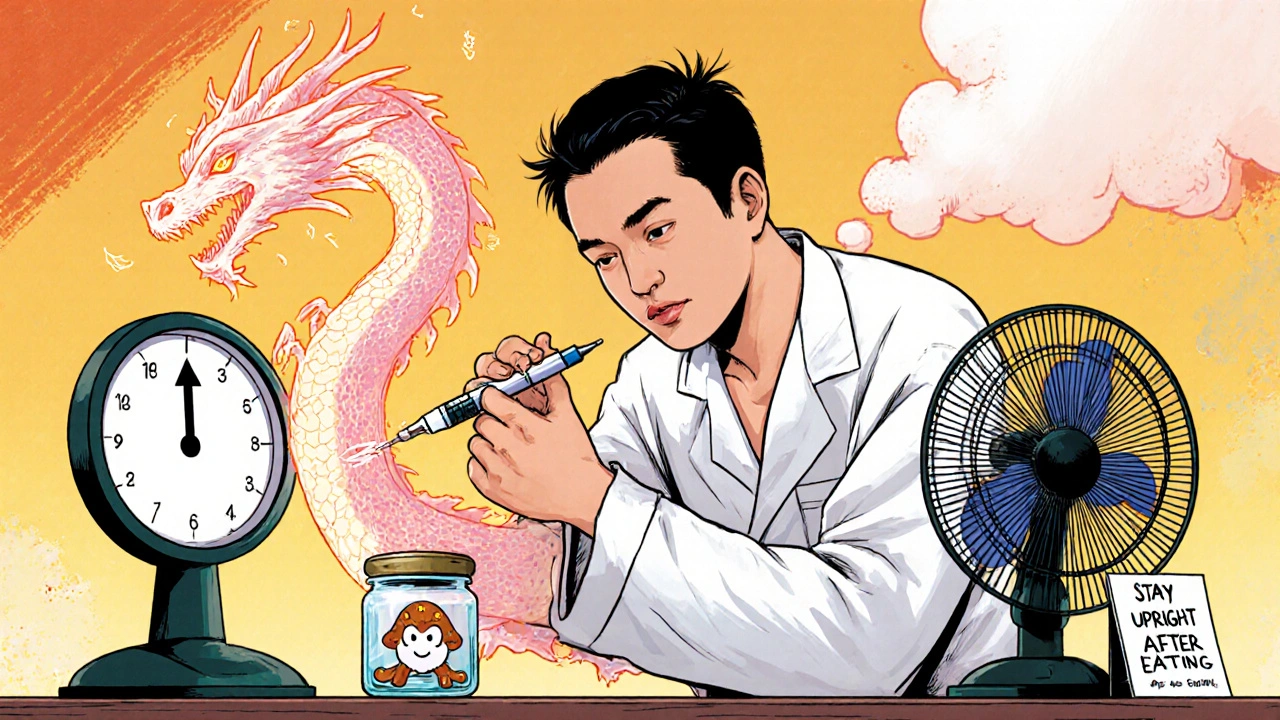
- For nausea or vomiting (GLP-1s): Don’t rush the dose increase. Eat bland, small meals. Stay upright after eating.
Most side effects improve over time. But if something feels wrong-especially chest pain, trouble breathing, or severe abdominal pain-don’t wait. Call your doctor.
What’s Next in Diabetes Medications
New drugs are coming fast. Tirzepatide (Mounjaro) combines two hormones and causes more weight loss with less nausea than older GLP-1s. Oral versions of GLP-1 drugs are in late-stage trials-no more needles. Once-weekly insulin is already approved in Europe and may come to Australia soon.
But access is still a problem. One in four Americans skip doses because of cost. In Australia, newer drugs are often restricted to patients with complications. If you can’t afford your meds, ask your doctor about patient assistance programs. Some drugmakers offer free or discounted supplies.
Diabetes meds aren’t just pills or shots. They’re tools that change your life. The goal isn’t just to lower your HbA1c-it’s to live better, longer, and with fewer surprises. Knowing what side effects to expect lets you plan, adapt, and stay in control.
Can diabetes medications cause weight gain?
Yes, some can. Insulin and sulfonylureas commonly cause weight gain-2 to 5 kg on average-because they help your body store energy. Thiazolidinediones like pioglitazone also lead to weight gain. On the other hand, SGLT2 inhibitors and GLP-1 receptor agonists often cause weight loss. Metformin usually has little to no effect on weight. If weight gain is a concern, talk to your doctor about switching to a medication that supports weight management.
Is metformin safe for long-term use?
Yes, metformin is one of the safest long-term diabetes medications. It’s been used for over 60 years and has a strong track record for reducing heart disease risk. The main concerns are gastrointestinal side effects early on and vitamin B12 deficiency after 5+ years of use. Regular B12 blood tests and supplements can prevent problems. It’s not recommended for people with severe kidney disease (eGFR below 30), but most people can take it safely for decades.
Why do SGLT2 inhibitors cause yeast infections?
SGLT2 inhibitors make your kidneys remove sugar through urine. That sugar ends up in your genital area, creating a moist, sugary environment where yeast thrives. This is more common in women, but men can get it too. It’s not an infection you catch from someone else-it’s caused by your own body’s chemistry changing. Simple hygiene changes-like wearing cotton underwear, avoiding scented products, and drying thoroughly after showers-can reduce the risk by 60%. If infections keep coming back, your doctor may suggest switching meds.
Can I stop my diabetes medication if I lose weight?
Some people with type 2 diabetes can reduce or even stop medication after significant weight loss-especially if they’ve improved their diet, increased activity, and lowered their HbA1c into the normal range. But this doesn’t mean diabetes is cured. Your body still has insulin resistance. Stopping meds without medical supervision can lead to a rebound in blood sugar. Always work with your doctor. If your HbA1c stays normal for 3-6 months, they may reduce your dose slowly and monitor closely.
What should I do if I experience low blood sugar?
If your blood sugar drops below 4.0 mmol/L, treat it immediately with 15 grams of fast-acting sugar: 4 glucose tablets, ½ cup of juice, or 1 tablespoon of honey. Wait 15 minutes, then check again. If it’s still low, repeat. Once your sugar is back up, eat a small snack with protein and carbs-like crackers and cheese-to keep it stable. If you’re on insulin or sulfonylureas, always carry glucose with you. Consider using a continuous glucose monitor (CGM) if you have frequent lows-it can alert you before you feel symptoms.
Are newer diabetes drugs worth the cost?
For many people, yes. Drugs like GLP-1 agonists and SGLT2 inhibitors cost more upfront-sometimes over $900 a month-but they offer benefits older drugs don’t: heart protection, kidney protection, and weight loss. Studies show they reduce hospitalizations and death from heart disease by up to 38%. If you have heart disease, kidney disease, or obesity, the long-term savings in health costs and improved quality of life often outweigh the price. Ask your doctor if you qualify for patient assistance programs or generic options. Insurance coverage has improved since 2022, especially for high-risk patients.
Next Steps: Talking to Your Doctor
Don’t suffer in silence. If your medication is making you feel worse, there’s almost always a better option. Bring a list of your side effects to your next appointment. Note when they started, how bad they are, and what makes them better or worse. Bring your blood sugar log too. Your doctor can adjust your dose, switch you to a different class, or add a second medication that balances out the side effects.
Diabetes meds are tools-not punishments. The right one can give you energy, protect your organs, and help you live longer. The wrong one can make you feel miserable. You deserve to feel good while managing your health. Ask questions. Push for answers. Your life depends on it.


Peter Lubem Ause
November 30, 2025 AT 17:50Metformin was a nightmare for me at first-nausea so bad I thought I was gonna bail on the whole diabetes thing. But I stuck with it, went slow, switched to XR, and now it’s like a quiet guardian. B12 check? Done yearly. No brain fog. No tingles. Just steady energy. If you’re struggling, don’t quit-just tweak. This stuff works if you give it a chance.
Also, if you’re on SGLT2 inhibitors and getting yeast infections? Cotton underwear isn’t a suggestion-it’s a survival tactic. I used to wear synthetics out of laziness. Big mistake. Now I treat my nether regions like a temple. No scented soap, no tight jeans, just clean, dry, and calm. Game changer.
And yes, weight loss on GLP-1s is wild. I lost 22 lbs in 5 months. But the nausea? Oh man. Took me three months to ramp up. Eat small. Stay upright. Don’t chase it with coffee. It’s not magic, it’s medicine. And it’s worth it.
linda wood
December 1, 2025 AT 15:46So let me get this straight-you’re telling me the same drug that helps me lose weight also makes me pee out sugar and gives me yeast infections like I’m in a bad rom-com?
Thanks, Big Pharma. You really outdid yourself this time.
LINDA PUSPITASARI
December 2, 2025 AT 08:57Y’all are making this sound so dramatic 😅 I was on metformin for 7 years and only had mild tummy issues at first-just took it with food and it vanished. B12? Got mine checked, low, took a pill, boom, back to normal. SGLT2s gave me a yeast infection once, but I just used Monistat and wore cotton shorts every day and never had another. GLP-1s? Nausea sucked but I started at 0.25mg and went super slow-like, 6 weeks between doses-and now I feel amazing. It’s not perfect, but it’s manageable. You got this 💪
Also-CGM is LIFE. I didn’t believe it until I got one. Now I sleep like a baby.
Joy Aniekwe
December 4, 2025 AT 01:31Oh sweet mercy. Another ‘just take metformin’ post. Because clearly, the real problem here isn’t that our healthcare system prices life-saving drugs like luxury handbags, and that people are being told to ‘just eat less’ while their insulin resistance is being ignored.
And yes, I lost my job because I had to go to the ER for DKA after my SGLT2 inhibitor kicked in during a flu. Insurance denied it. My doctor said ‘it’s rare.’
So don’t tell me ‘it’s manageable’ when your meds cost more than your rent.
Steven Howell
December 5, 2025 AT 17:33The pharmacological management of type 2 diabetes has evolved significantly over the past two decades, with a marked shift toward agents that confer cardiovascular and renal protection. Metformin remains the cornerstone of therapy due to its favorable safety profile, low cost, and mortality benefit. However, the emergence of SGLT2 inhibitors and GLP-1 receptor agonists represents a paradigm shift-not merely in glycemic control, but in the overall trajectory of disease progression.
It is imperative that clinicians and patients alike recognize that side effects are not failures of adherence, but expected physiological responses to pharmacodynamic actions. For instance, glucosuria induced by SGLT2 inhibitors is not a defect, but the mechanism of efficacy. Genital mycotic infections are a predictable consequence of this process, and mitigation strategies such as hygiene optimization are evidence-based and effective.
Moreover, the perception of weight gain as a negative outcome must be contextualized: insulin-induced adiposity is a compensatory metabolic response, not a personal failing. The focus should be on holistic health, not merely body mass index.
Robert Bashaw
December 6, 2025 AT 19:48Let me tell you about the day I became a human sugar factory. 😈 I took my new SGLT2 drug, felt fine, then woke up at 3 a.m. with the itchiest, most swollen nether regions this side of a swamp. I looked in the mirror and thought, ‘Did I accidentally become a yeast buffet?’
Then I started vomiting on the GLP-1. Not the ‘oh I feel queasy’ kind. The ‘I’m gonna die and my cat will eat my socks’ kind.
And now my doctor wants me to take INSULIN? I’m not a robot, I’m a human being who just wants to eat a bagel without a panic attack!
Somebody get me a time machine. Or a miracle. Or a really good therapist.
Brandy Johnson
December 7, 2025 AT 00:53It is indefensible that patients are being encouraged to self-manage severe side effects like ketoacidosis and recurrent infections with home remedies. This is not healthcare-it is negligence dressed in wellness rhetoric. The pharmaceutical industry has weaponized patient compliance under the guise of innovation. The fact that these drugs carry FDA warnings and are priced beyond reach for the working class is not an accident. It is a design.
And yet, you all act like this is normal. It is not. This is systemic failure. Stop praising drugs that make you pee sugar and call it ‘progress.’
Peter Axelberg
December 8, 2025 AT 05:10I’ve been on metformin for 12 years. Started with the regular kind-felt like I was swallowing sand. Switched to XR and it was like a whole new life. No more midnight bathroom runs. B12 levels? Checked every year. Fine. No brain fog. No numb hands. Just steady. I don’t need fancy new drugs. I need consistency. And I need my doctor to actually listen when I say the nausea is back. Sometimes it’s just a dose thing. Not a ‘you need a new drug’ thing.
Also, I don’t care how much weight you lose if you’re too nauseous to enjoy your food. That’s not health. That’s punishment.
Monica Lindsey
December 9, 2025 AT 14:09Metformin is for the lazy. If you can’t handle the side effects, you shouldn’t be on anything. Just eat less sugar and exercise. End of story.
Also, if you’re getting yeast infections from SGLT2 inhibitors, maybe stop being so gross. Wash more.
And if you’re crying about the cost? Get a better job. This isn’t a charity.
Subhash Singh
December 10, 2025 AT 15:19It is noteworthy that the incidence of vitamin B12 deficiency among long-term metformin users is well-documented in peer-reviewed literature, with studies indicating a dose- and duration-dependent relationship. The mechanism involves interference with calcium-dependent ileal absorption of the B12-intrinsic factor complex. Routine monitoring is not merely advisable-it is a standard of care in most developed healthcare systems. Failure to implement such screening constitutes a breach in clinical diligence.
Furthermore, the cardiovascular benefits of SGLT2 inhibitors and GLP-1 agonists are not adjunctive; they are primary outcomes in multiple randomized controlled trials. The cost-benefit analysis must be evaluated over a 10-year horizon, not a monthly prescription.
It is imperative that patient education be framed not as a list of side effects, but as a framework for informed decision-making.
Geoff Heredia
December 12, 2025 AT 05:52They’re putting sugar in your pee? And you’re okay with that? What if the government is using this to track us? I read a guy on TruthSocial who said the new insulin pens have microchips. They’re monitoring your glucose levels to predict when you’ll be ‘too healthy’ and cut your benefits. This is all a psyop. They want us dependent. The real cure? Fasting. And maybe a pyramid. I’ve been fasting for 72 days. My HbA1c is 4.1. Coincidence? I think not.
Tina Dinh
December 12, 2025 AT 21:00Y’all are overcomplicating this!! 🙌 I started on metformin, got the tummy issues, switched to XR, and boom-no more drama. GLP-1? Took me 3 months to get used to it but now I feel like a new person! Lost 30 lbs, no more cravings, and my A1c is 5.2!! 🎉
Yeast infection? Just wear cotton, wipe front to back, and don’t be shy to use an OTC cream. No big deal!!
And if you’re scared of insulin? Get a CGM. It’s like having a bodyguard for your blood sugar. I cry every time it beeps ‘low’ before I even feel it. It saved me. You can do this too!! 💖