Generic vs Brand Name Drugs: What Really Matters for Your Health and Wallet
When you pick up a prescription, you might see two names: one you recognize, and another that’s cheaper but unfamiliar. The generic drug, a medication that contains the same active ingredient as a brand-name drug but is sold without a brand name after the patent expires. Also known as non-branded medication, it is required by the FDA to match the brand-name version in strength, safety, and how your body absorbs it. The brand name drug, the original version developed by a pharmaceutical company and sold under a trademarked name before generics become available. Also known as innovator drug, it carries the cost of research, marketing, and patent protection. What you’re really choosing between isn’t quality—it’s price. And that’s where things get simple.
Here’s the truth: generic vs brand name isn’t about which one works better. It’s about which one you can afford. The FDA doesn’t approve a generic unless it delivers the same amount of active ingredient into your bloodstream at the same rate as the brand. That’s called bioequivalence, the scientific standard that proves a generic drug performs the same way in the body as its brand-name counterpart. For most drugs, that’s enough. But for narrow therapeutic index (NTI) drugs, medications where even tiny differences in blood levels can cause serious side effects or treatment failure.—like warfarin, thyroid meds, or seizure drugs—the FDA uses tighter rules. That’s why some people notice a difference with NTI generics, and why doctors sometimes stick with the brand. But for the vast majority of prescriptions? No difference. No risk. Just savings.
Why do generics cost so much less? Because they don’t need to repeat the 10-year, $2 billion clinical trials the brand did. They just prove they’re the same. That’s why over 90% of U.S. prescriptions are filled with generics. Medicare and private insurers push them hard—not because they’re cheaper to make, but because they’re cheaper for you. Your copay might be $5 for a generic and $50 for the brand. That’s not a trick. That’s how the system works. And if you’ve ever been told you "can’t switch" because your body is "used to the brand," ask for the data. There’s rarely a medical reason to avoid a generic unless you’ve had a proven reaction to an inactive ingredient, which is rare.
But here’s what no one tells you: delays happen. Even after a patent expires, generics can take years to appear. Companies use legal tricks, patent thickets, and regulatory delays to keep prices high. That’s why some drugs still cost hundreds even though they’ve been off-patent for a decade. And not all generics are made equal—batch variability can happen, which is why regulators are tightening standards. But the system still works. Most of the time, you get the same medicine for a fraction of the cost.
What you’ll find in these posts are real stories and facts about how generics are made, approved, priced, and sometimes misunderstood. You’ll see how insurance forces choices, how patients get caught in the middle, and why some doctors still hesitate to switch. You’ll learn when to push back, when to ask for a brand, and how to check if your generic is truly equivalent. No fluff. No marketing. Just what you need to know to make smarter, safer, cheaper choices with your prescriptions.
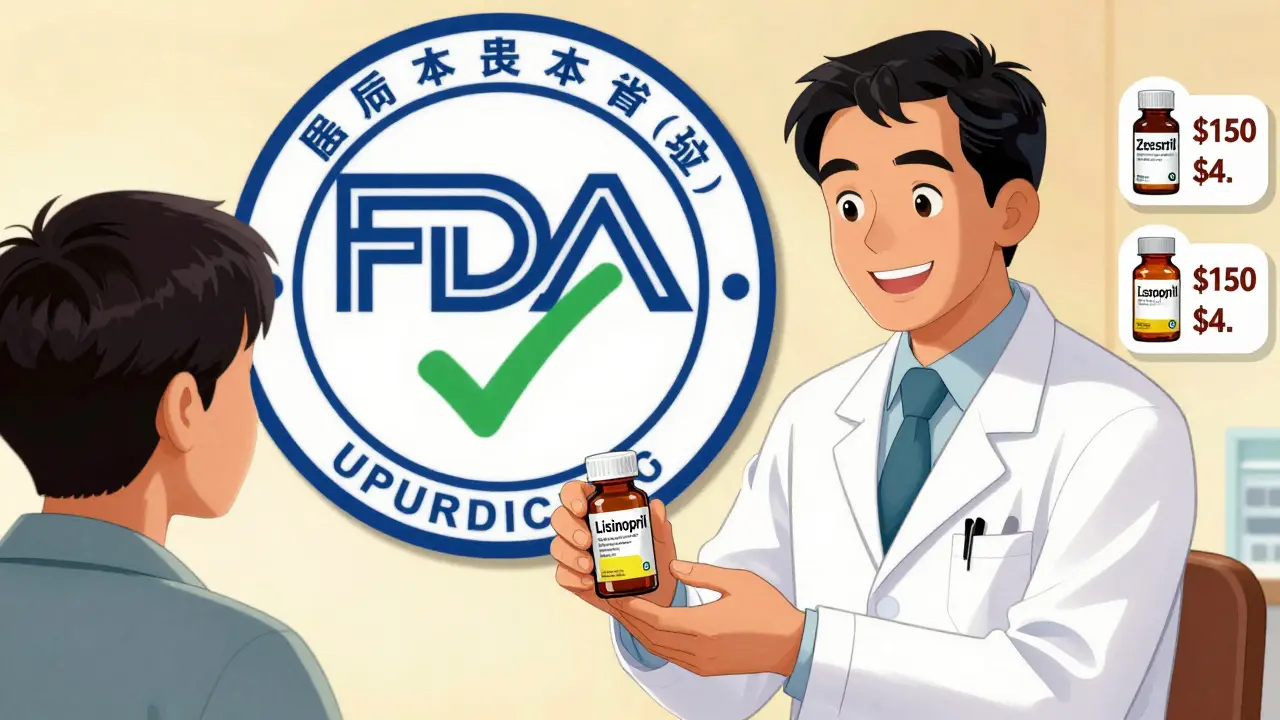
Understanding FDA Generic Drug Approval: What Patients Need to Know
Learn how the FDA ensures generic drugs are just as safe and effective as brand-name medications. Discover the science behind approval, common myths, and what you need to know as a patient.
Detail
Drug Interaction Issues: When Generics Interact Unexpectedly
Generic drugs are just as safe as brand-name versions, but misconceptions about interactions persist. Learn why some people feel different after switching - and how to stay safe without overpaying.
DetailRelated Posts