Every year, over 6 billion prescriptions are filled in the U.S. - and about 9 out of 10 of them are generic drugs. If you’ve ever picked up a pill bottle and seen a different name than what your doctor wrote, you’ve used a generic. But how does the FDA make sure these cheaper drugs work just as well? This isn’t magic. It’s science, regulation, and a system built over 40 years to keep medicines affordable without cutting corners.
What Exactly Is a Generic Drug?
A generic drug is the exact same medicine as the brand-name version, just sold under a different name and at a lower price. It has the same active ingredient, the same strength, the same shape, and the same way it’s taken - whether it’s a pill, injection, or inhaler. The FDA requires that generics match the brand-name drug in every way that matters: how fast it enters your bloodstream, how long it lasts, and how well it works.
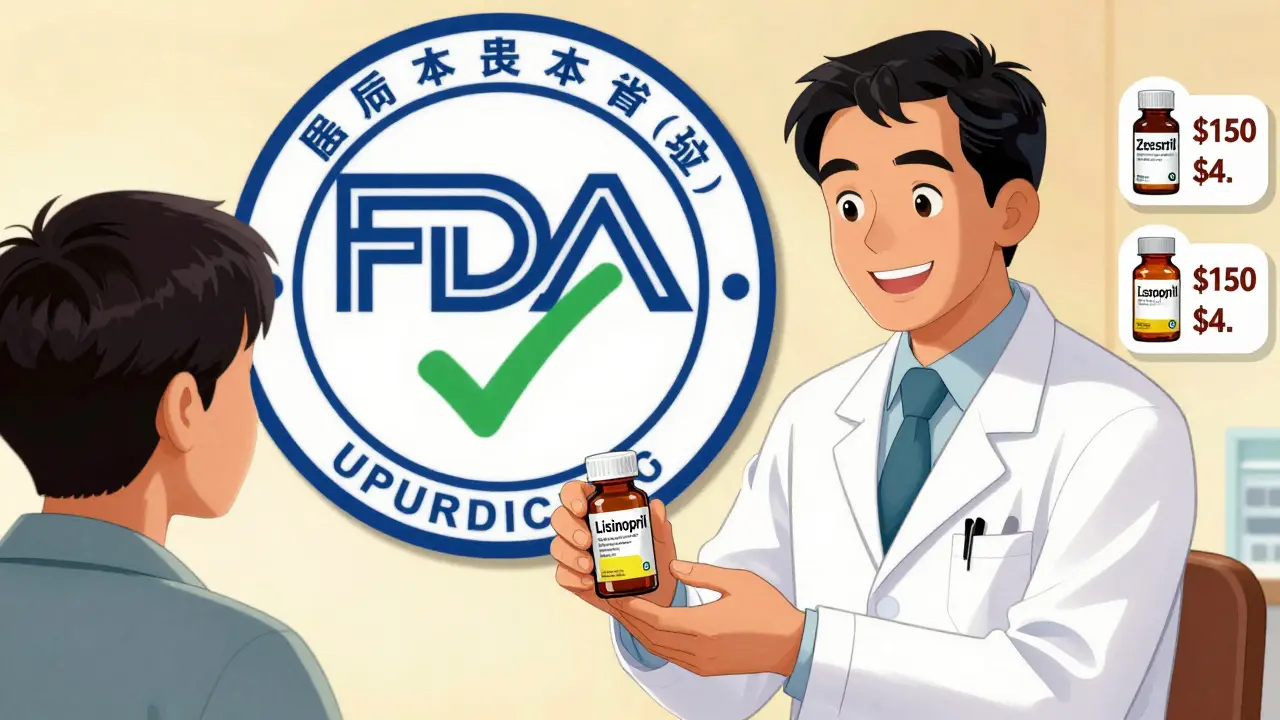
For example, if you take lisinopril for high blood pressure, the brand-name version is Zestril. The generic is just lisinopril. Same chemical. Same effect. Same side effects. But instead of paying $150 a month, you might pay $4. That’s not a trick. It’s the result of the FDA’s Abbreviated New Drug Application (ANDA) process.
The ANDA Process: How the FDA Approves Generics
The FDA doesn’t start from scratch when approving generics. That’s the whole point of the ANDA. When a brand-name drug’s patent expires, other companies can apply to make the same drug - but they don’t have to repeat expensive clinical trials. Instead, they prove two things: pharmaceutical equivalence and bioequivalence.
- Pharmaceutical equivalence means the generic has the same active ingredient, strength, dosage form, and route of administration as the original. No surprises here.
- Bioequivalence is the real test. Manufacturers run small studies - usually with 24 to 36 healthy volunteers - to measure how quickly and how much of the drug gets into the bloodstream. The generic must deliver the active ingredient at the same rate and in the same amount as the brand-name drug. The FDA requires that the results fall within 80% to 125% of the brand’s numbers. That’s not a wide gap. It’s tight. It means the difference between the two is clinically meaningless.
This process cuts development costs from over $2 billion (for a new drug) down to just $5 million to $10 million. That’s why generics cost so much less. The FDA reviews about 1,000 of these applications every year. And since 2023, they’re required to finish 90% of standard reviews in 10 months or less.
Why You Can Trust Generic Drugs
Many people worry: “If it’s cheaper, is it weaker?” The answer is no - and here’s why.
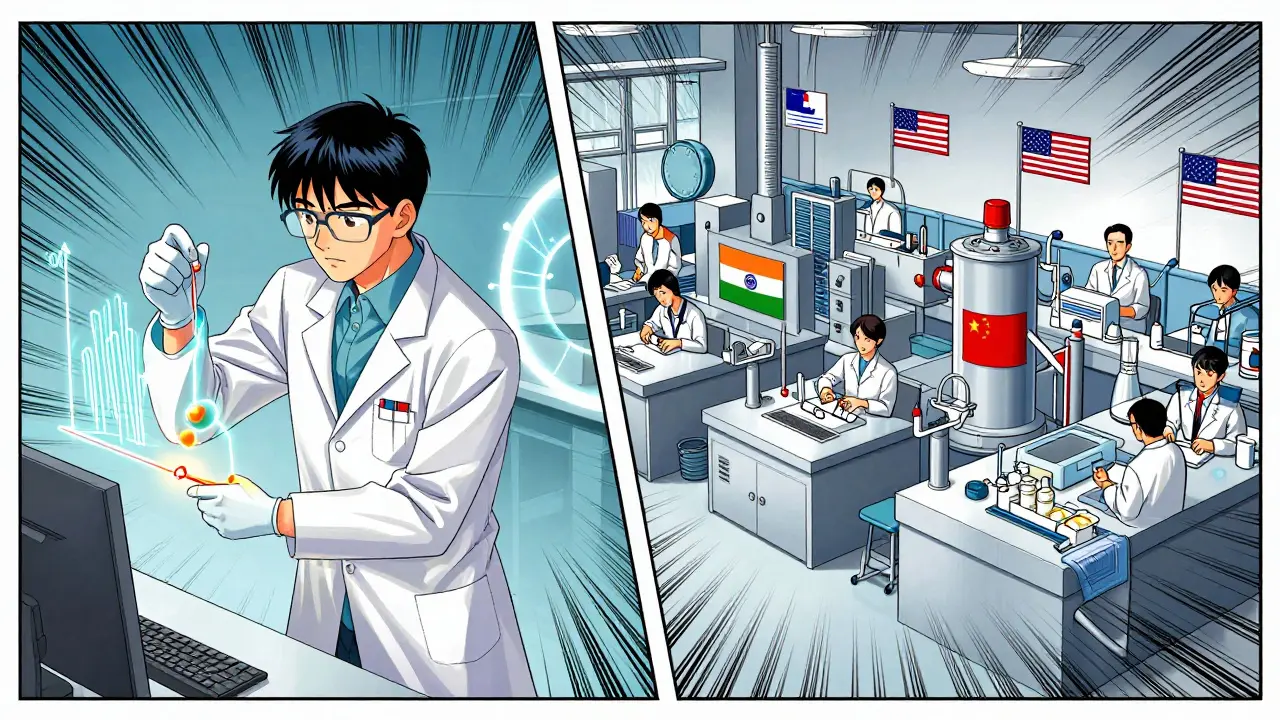
Generic manufacturers must follow the same strict rules as brand-name makers. Every factory that produces generics - whether it’s in the U.S., India, or Germany - must pass an FDA inspection. These aren’t random checks. They’re full audits of how the drugs are made, tested, and packaged. In 2022 alone, the FDA inspected over 1,500 facilities for generic drug production.
Even the labeling has to match the brand-name drug exactly. No misleading claims. No hidden warnings. The FDA doesn’t allow generics to say “works better” or “stronger.” They can only say “same as.”
And the numbers back it up. A 2022 FDA study of 2,500 patients found that 87% were satisfied with their generic medications. Pharmacists, who are on the front lines, are even more confident: 94% say they recommend generics without hesitation.
When Generics Can Be Tricky
Not all drugs are created equal. Simple pills - like antibiotics or blood pressure meds - are easy to copy. But some drugs are harder. Think inhalers, eye drops, or skin creams. These are called complex generics. They don’t just need the same chemical. They need the same delivery system. A nasal spray that doesn’t atomize the same way won’t work the same way.
The FDA admits this is a challenge. In 2022, nearly 40% of review delays came from complex generics. That’s why they launched the Complex Generic Drug Product Initiative in January 2023. They’ve published 18 new guidelines to help manufacturers get it right. The first generic version of EpiPen - a life-saving device - wasn’t approved until September 2023, after 15 years of effort.
Some patients on narrow therapeutic index (NTI) drugs - like warfarin or levothyroxine - report feeling different when switching between generic brands. That’s not because the drugs are unsafe. It’s because tiny differences in inactive ingredients (like fillers or coatings) can affect absorption in very sensitive people. If you’re on one of these drugs, talk to your pharmacist. Stick with the same generic manufacturer if it works for you.
Patents, Delays, and Why Some Generics Take Longer
Even after a patent expires, brand-name companies sometimes use legal tricks to delay generics. They might file new patents on minor changes - like a new coating or a different pill shape. This is called “evergreening.” The FTC found this delays generic entry by an average of 3.2 years per drug.
Some generic makers challenge these patents head-on. About 72% of first-to-file applications involve a legal challenge. If they win, they get 180 days of exclusive sales before other generics can enter. That’s why you sometimes see multiple generic versions hit the market at once - and why prices drop even further.
But not all companies can afford legal battles. Small manufacturers often get stuck waiting - which is why the FDA created the Pre-ANDA program. It lets companies talk to regulators early, get feedback, and avoid costly mistakes. Over 78% of successful applicants in 2022 used this service.
What This Means for You
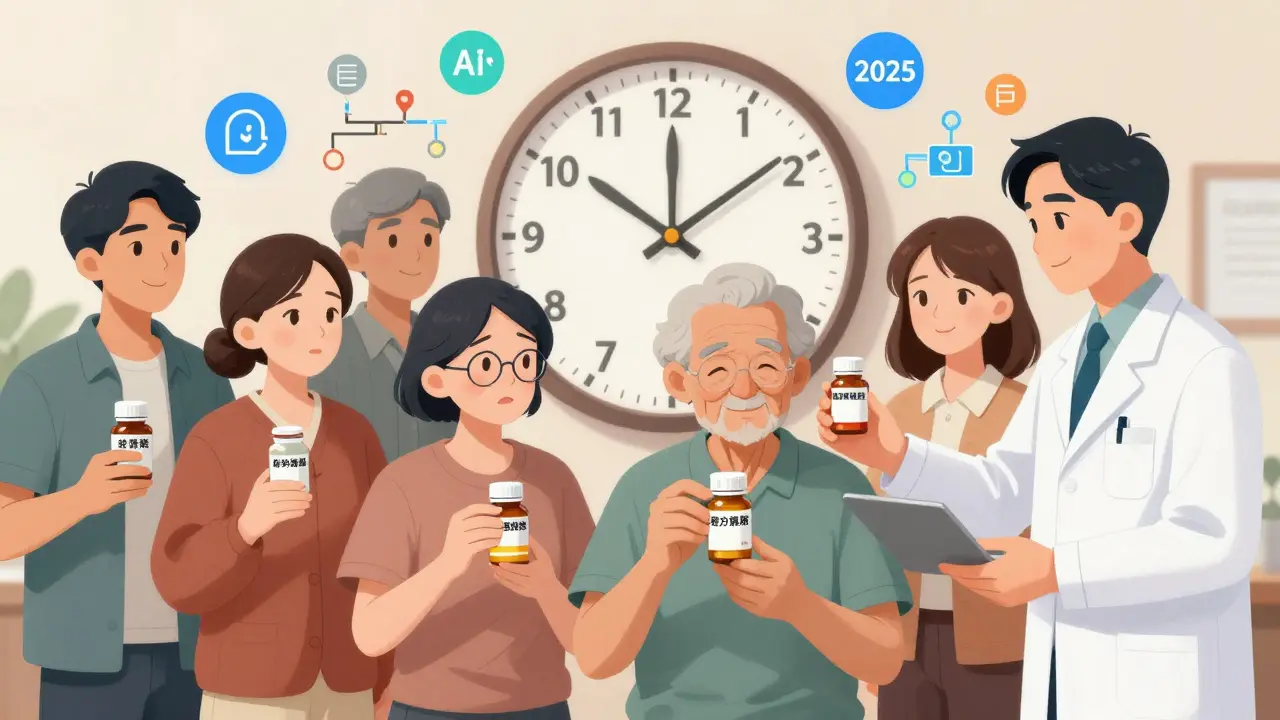
If you’re taking a generic drug, you’re getting a medicine that meets the same standards as the brand. The FDA doesn’t approve “second-rate” drugs. It approves smart, science-backed alternatives that save billions every year.
Here’s what you can do:
- Ask your doctor or pharmacist if a generic is available for your prescription.
- If you notice a change in how you feel after switching generics, tell your provider. It’s rare, but it happens.
- Use the FDA’s Orange Book (online) to see which generics are approved for your drug. It’s free and easy to search.
- Don’t assume a higher price means better quality. The cheapest generic is often just as effective.
The system isn’t perfect. There are delays. There are complex drugs that are hard to copy. But the bottom line is clear: generics are safe, effective, and essential. They’ve saved the U.S. healthcare system over $2.2 trillion in the last decade. That’s not just a number. It’s people who can afford their meds. It’s fewer people skipping doses. It’s better health outcomes.
Are generic drugs as effective as brand-name drugs?
Yes. The FDA requires generics to have the same active ingredient, strength, dosage form, and route of administration as the brand-name drug. They must also prove bioequivalence - meaning they deliver the same amount of medicine into your bloodstream at the same rate. Studies show no meaningful difference in how well they work. Over 90% of prescriptions in the U.S. are generics, and patient satisfaction rates are high.
Why do some generics look different from the brand-name drug?
Generics can look different because U.S. law doesn’t allow them to copy the exact shape, color, or logo of a brand-name drug - that would be trademark infringement. But the active ingredient and how it works are identical. The differences are only in inactive ingredients like dyes or fillers, which don’t affect how the drug works in your body.
Can I switch between different generic brands?
For most people, yes. But if you’re taking a drug with a narrow therapeutic index - like levothyroxine, warfarin, or some seizure medications - small differences in how your body absorbs the drug can matter. If you’ve been stable on one generic, your doctor may recommend sticking with it. Talk to your pharmacist before switching manufacturers.
Why do some generics cost more than others?
Price differences come from competition. When a generic first enters the market, only one or two companies make it - prices are higher. As more manufacturers join, prices drop. Sometimes, a brand-name company will make its own generic version to keep control of the market. This is called an “authorized generic.” It’s identical to the brand, just sold under a different name and often at a lower price.
How does the FDA ensure generic drugs are safe?
The FDA requires every generic manufacturer to meet the same quality standards as brand-name makers. This includes strict rules on how drugs are made (cGMP), tested, and packaged. Every factory - even overseas - must pass an FDA inspection before the drug can be sold. The agency also monitors reports of side effects and can pull a generic off the market if problems arise.
What’s Next for Generic Drugs?
The FDA is working on making the approval process faster and smarter. By 2025, they plan to use artificial intelligence to help review applications - especially for complex drugs. They’re also pushing for better tools to track drug supply chains and prevent counterfeit products.
More patents are expiring in the next few years. Over $250 billion in brand-name drugs will lose exclusivity by 2027. That means more generics will come to market. Prices will drop. Access will improve.
For patients, the message is simple: generics work. They’re safe. They’re regulated. And they’re one of the most powerful tools we have to make healthcare affordable.