Bioequivalence: What It Means for Generic Drugs and Your Health
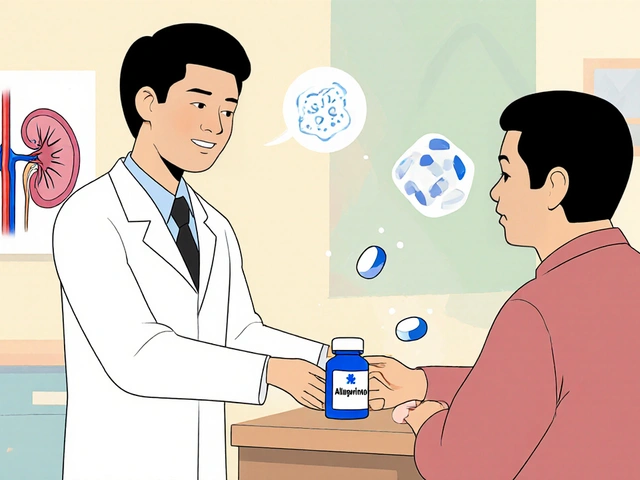
When you pick up a generic pill, you want to know it’ll do the same job as the brand-name version. That’s where bioequivalence, the scientific standard that proves two drug formulations deliver the same amount of active ingredient at the same rate in the body. Also known as drug equivalence, it’s the reason your pharmacist can swap your brand-name medication without asking your doctor. It’s not just about cost—it’s about safety. If a generic drug isn’t bioequivalent, it could be too weak to work, or too strong and cause side effects.
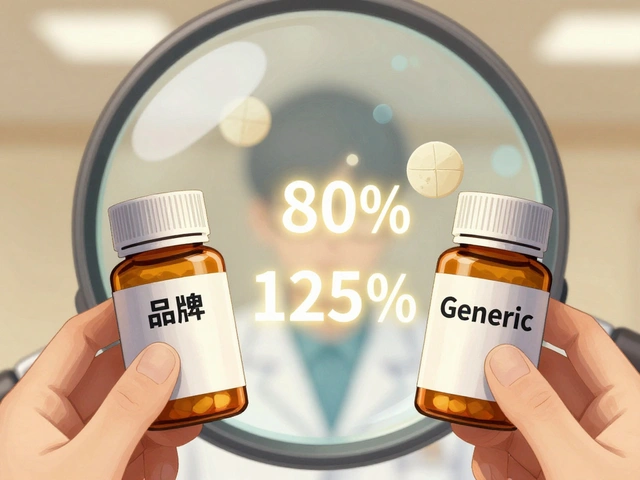
The FDA, the U.S. agency that regulates drugs and ensures they’re safe and effective. Also known as Food and Drug Administration, it sets the rules. For most drugs, generics must match the brand within 80% to 125% of the same blood concentration. But for NTI drugs, narrow therapeutic index medications where even small differences can cause serious harm. Also known as narrow therapeutic index drugs, it like warfarin, phenytoin, or digoxin, the range tightens to 90% to 111%. These drugs have almost no room for error. A tiny drop in effectiveness might trigger a clot. A tiny spike might cause bleeding or seizures. That’s why the FDA requires replicate studies, stricter manufacturing controls, and sometimes even different testing methods for these.
Bioequivalence isn’t just a lab test—it’s what keeps you safe when you switch from one pill to another. It’s why your blood pressure med, your thyroid pill, or your seizure drug works the same whether it’s made by Pfizer or a generic company in India. But it’s not automatic. Some generics take years to get approved because of legal delays, patent tricks, or slow FDA reviews. And not all countries have the same standards. That’s why knowing which drugs are high-risk and checking your prescription matters.
What you’ll find here are real examples of how bioequivalence affects your daily life—from why your generic metformin costs less but works just as well, to how the FDA catches dangerous imitations, to why some drugs can’t be swapped at all. You’ll see the data behind the labels, the risks in the fine print, and the quiet science that keeps your medicine reliable.
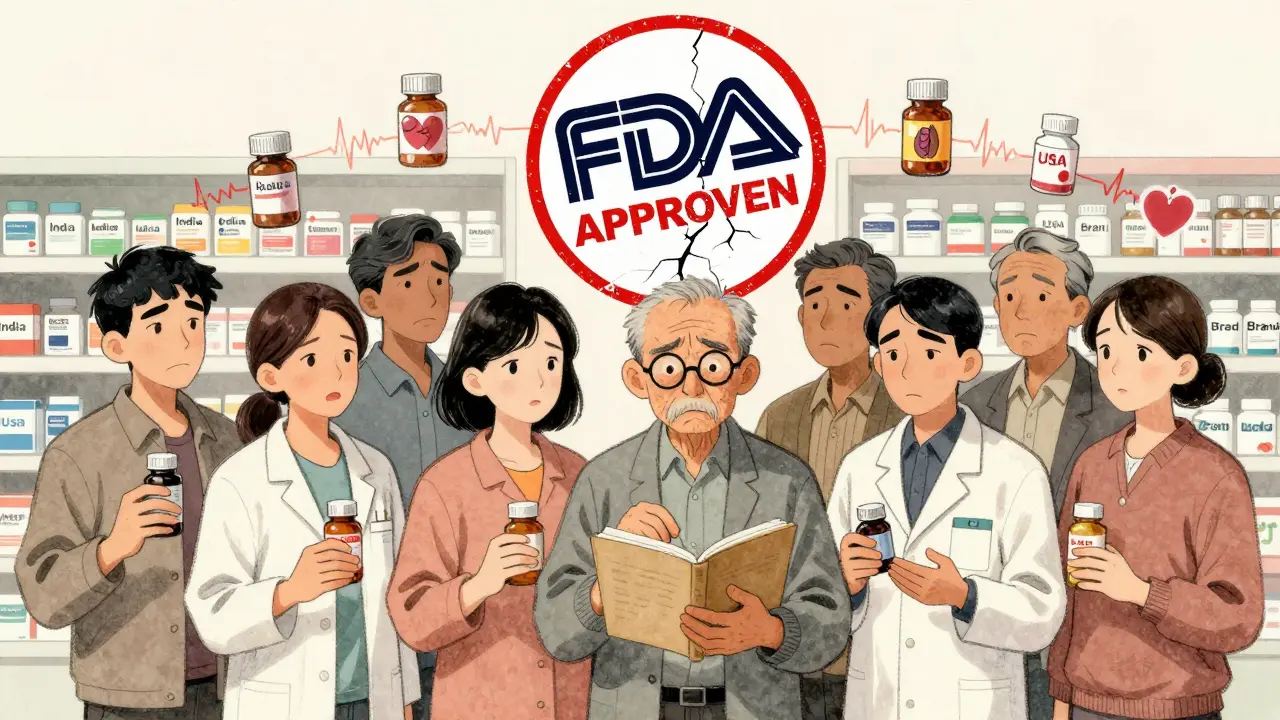
Long-Term Health After Switching to Generics: What You Need to Know
Switching to generic medications saves money, but long-term health outcomes vary. Learn how to spot risks, protect your stability, and ensure your chronic condition stays under control after a generic switch.
Detail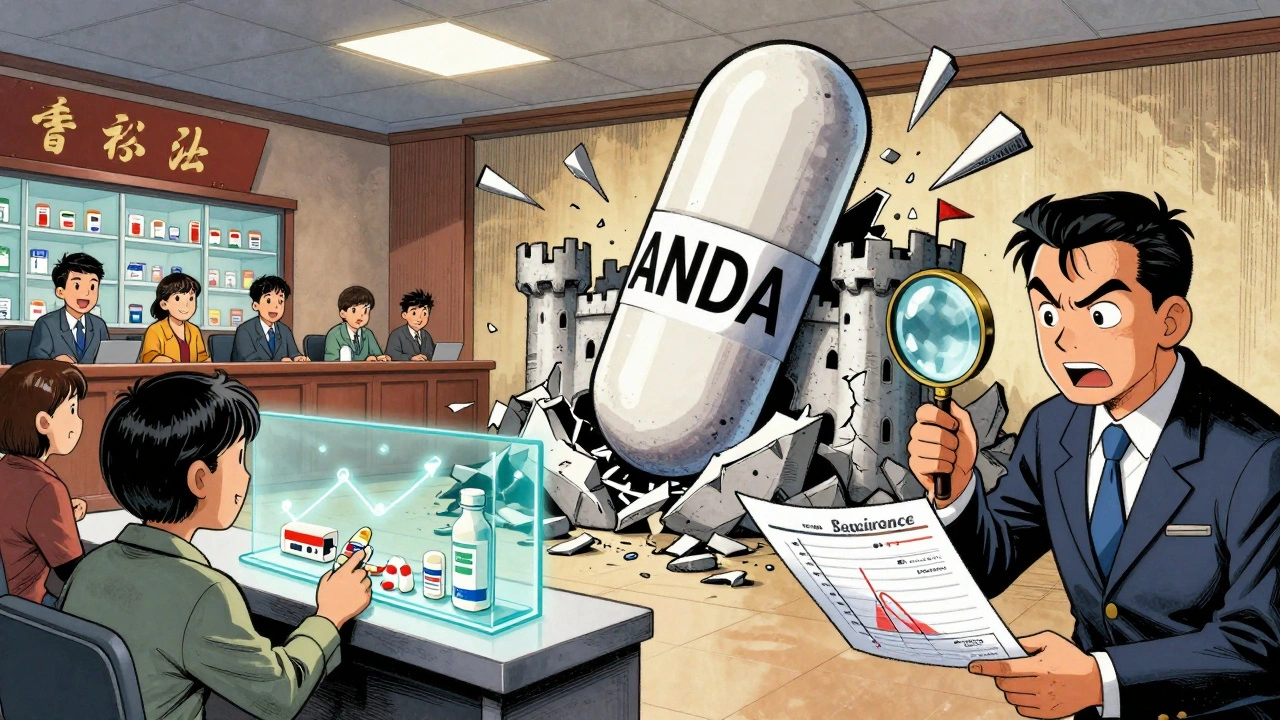
FDA Authorization of Generics: Legal Basis and Approval Process
The FDA approves generic drugs through the Hatch-Waxman Act's ANDA pathway, ensuring they match brand-name drugs in safety, strength, and effectiveness. Over 90% of U.S. prescriptions are for generics, saving billions annually.
DetailRelated Posts