SGLT2 Inhibitors and Kidney Function: What You Need to Know
When you hear SGLT2 inhibitors, a class of diabetes medications that reduce blood sugar by making the kidneys remove excess glucose through urine, you might think only about blood sugar. But these drugs do something bigger: they actively protect your kidney function, the ability of your kidneys to filter waste and maintain fluid balance. That’s why doctors now prescribe them not just for diabetes control, but to slow kidney damage—even in people without full-blown diabetes. SGLT2 inhibitors like empagliflozin, dapagliflozin, and canagliflozin don’t just lower glucose. They change how your kidneys handle fluid and pressure, reducing strain over time.
This isn’t theoretical. Large studies involving tens of thousands of patients show SGLT2 inhibitors cut the risk of kidney failure, hospitalization for heart failure, and death from heart-related causes. In one major trial, patients on dapagliflozin were 39% less likely to see their kidney function drop severely over five years. That’s not a small win—it’s life-changing. And it’s not just for people with advanced kidney disease. Even those with early signs of kidney stress, like tiny amounts of protein in urine, benefit. These drugs work by blocking the sodium-glucose cotransporter 2, a protein in the kidney tubules that normally reabsorbs glucose and sodium back into the blood. When you block it, you flush out extra sugar and salt, which lowers blood pressure and reduces swelling around the kidneys. Less pressure means less wear and tear.
What’s more, these benefits show up fast. Many patients see improvements in kidney markers within months, not years. That’s why guidelines now recommend SGLT2 inhibitors as a first-line option for type 2 diabetes patients who also have kidney disease or are at high risk. You don’t need to wait until your kidneys are failing to start. And while side effects like yeast infections or dehydration can happen, they’re usually mild and manageable. The real risk? Not taking them when you could.
Below, you’ll find real patient-focused guides that dig into how these drugs affect your body, what to watch for, how they compare to other diabetes treatments like metformin, and what to do if you’re worried about kidney health. These aren’t clinical papers—they’re clear, practical answers from people who’ve been there.
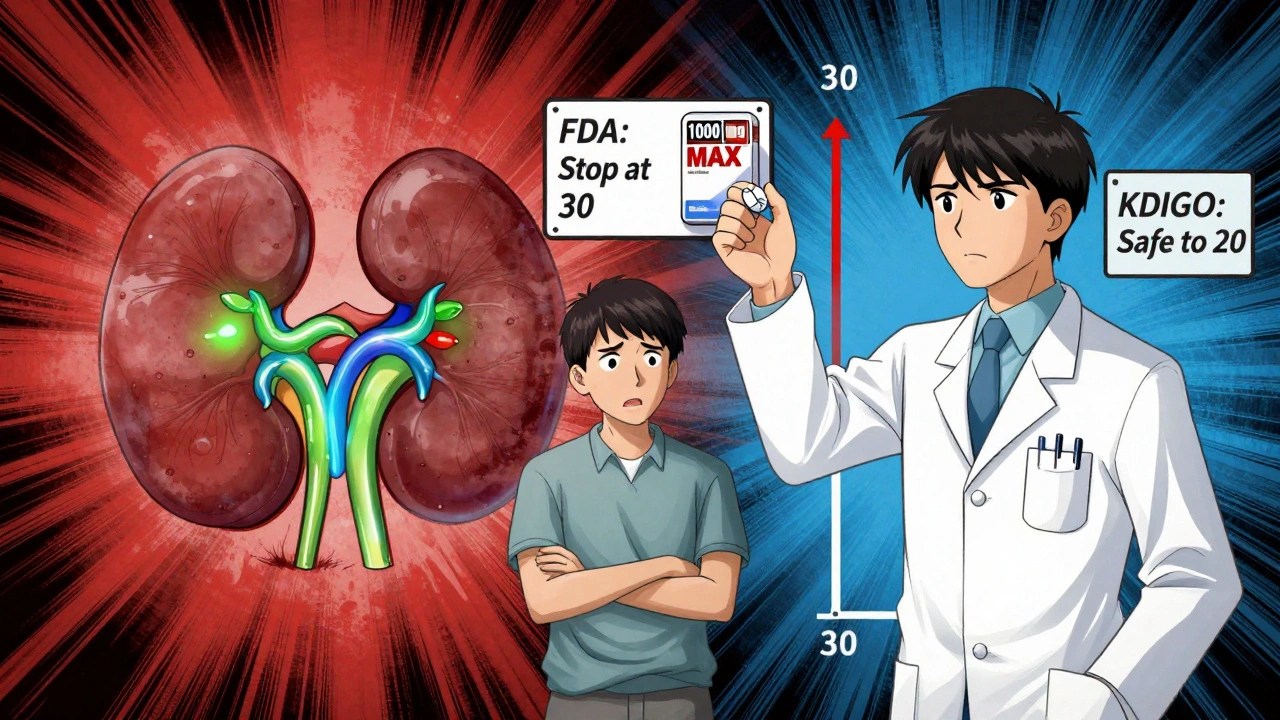
Renal Dosing for Metformin and SGLT2 Inhibitors: When to Adjust in 2025
Updated 2025 guidelines on when to adjust metformin and SGLT2 inhibitor doses in kidney disease. Know the eGFR thresholds, what to do when levels drop, and how to fight insurance denials.
DetailRelated Posts