Renal Dosing for CKD: What You Need to Know About Medication Adjustments
When you have chronic kidney disease, a long-term condition where the kidneys slowly lose their ability to filter waste and extra fluid from the blood. Also known as CKD, it affects how your body processes many common medications. Your kidneys don’t just make urine—they help clear drugs from your system. When they’re damaged, those drugs can build up and cause side effects, even at normal doses. That’s why renal dosing, the practice of adjusting medication amounts based on how well your kidneys are working isn’t optional—it’s essential for safety.
Not all drugs need changes, but many do. Common ones include metoprolol, a beta blocker used for high blood pressure and heart conditions, metformin, a first-line diabetes drug that can become dangerous if kidney function drops too low, and painkillers like ibuprofen, which can worsen kidney damage if used too often. Doctors use a number called eGFR—estimated glomerular filtration rate—to decide how much to lower your dose. If your eGFR is below 60, most guidelines say to start reviewing your meds. Below 30, many drugs need major cuts or complete avoidance.
What happens if you don’t adjust? Too much drug in your system can cause dizziness, confusion, low blood pressure, or even kidney failure. Some drugs, like certain antibiotics or seizure meds, can build up to toxic levels. Others, like insulin or diuretics, might not work right if your body can’t clear them properly. This isn’t just theory—real patients end up in the ER because their dose wasn’t changed after their kidney function dropped. And it’s not just pills. Even over-the-counter supplements and herbal products like St. John’s Wort, which affects how the liver and kidneys process other drugs can become risky.
It’s not just about the drug itself—it’s about how your body changes over time. CKD often gets worse slowly. A dose that was fine last year might be too high now. That’s why checking your kidney numbers regularly matters as much as taking your pills. And if you’re on multiple meds, the interactions get more complicated. A drug that’s safe alone might become dangerous when mixed with another that also needs kidney clearance.
You won’t find one-size-fits-all rules here. What works for one person with CKD might not work for another. That’s why this collection of posts covers real-world examples—from how renal dosing for CKD affects diabetes drugs, to why some blood pressure meds need extra caution, to what happens when you mix supplements with prescription pills. You’ll see what doctors actually do, what patients have learned the hard way, and how to talk to your pharmacist about your specific meds. This isn’t about memorizing charts. It’s about understanding your body’s limits and making smart choices so your meds help, not hurt.
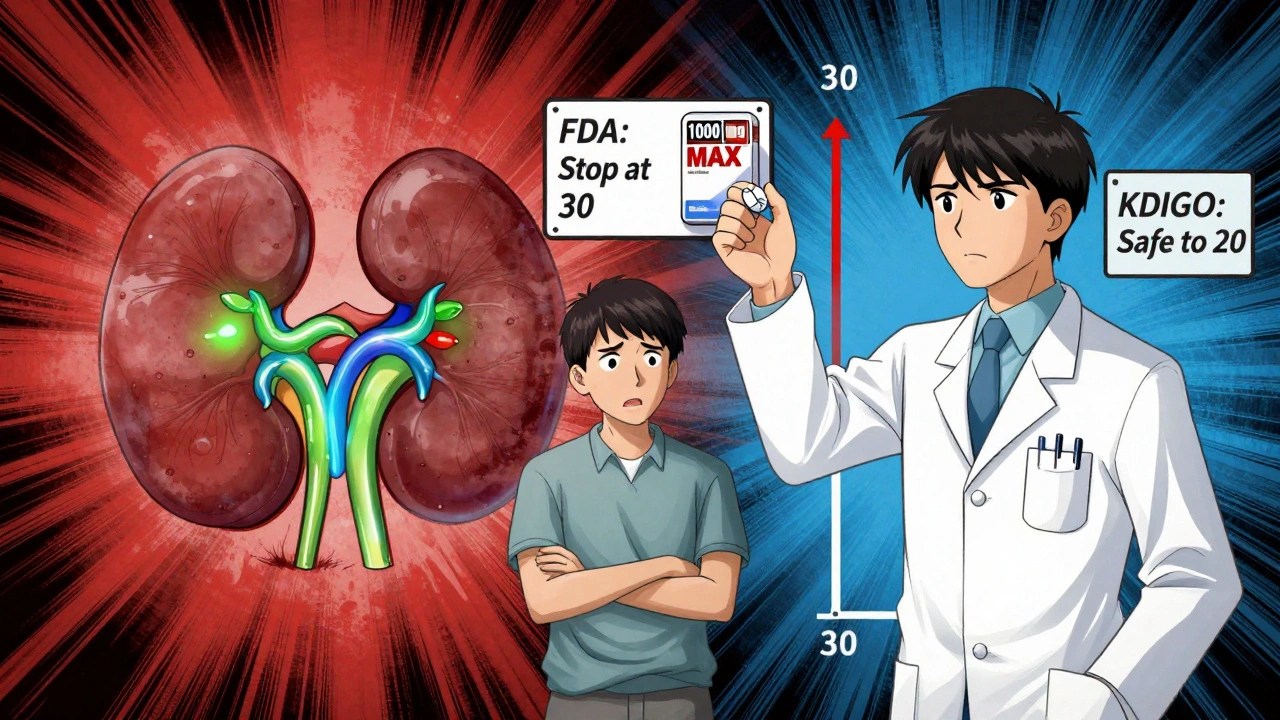
Renal Dosing for Metformin and SGLT2 Inhibitors: When to Adjust in 2025
Updated 2025 guidelines on when to adjust metformin and SGLT2 inhibitor doses in kidney disease. Know the eGFR thresholds, what to do when levels drop, and how to fight insurance denials.
DetailRelated Posts