Metformin and SGLT2 Dosing Chart: What You Need to Know
When managing type 2 diabetes, metformin, the first-line oral medication that lowers blood sugar by reducing liver glucose production and improving insulin sensitivity is often paired with SGLT2 inhibitors, a class of drugs that help the kidneys remove excess sugar through urine. Together, they offer a powerful, well-studied combo that doesn’t just control glucose — they also reduce heart and kidney risks. This isn’t theoretical; real-world data from clinics and trials show patients on this combo often see better A1C drops and weight loss than with either drug alone.
There’s no one-size-fits-all dosing chart, a practical guide showing typical starting and maximum doses for diabetes medications, but most doctors start metformin at 500 mg once or twice daily, slowly bumping up to 2,000 mg if tolerated. SGLT2 inhibitors like empagliflozin, dapagliflozin, or canagliflozin usually begin at 10 mg daily, with some going up to 25 mg. These are often taken together, with metformin in the morning and the SGLT2 inhibitor at breakfast — simple, consistent, and easy to stick with. What’s not always obvious is that dosing isn’t just about numbers; it’s about kidney function, age, and whether you’re also taking insulin or other meds. For example, if your eGFR drops below 30, SGLT2 inhibitors aren’t recommended, and metformin may need a lower max dose. That’s why a chart isn’t just a table — it’s a living tool that changes with your health.
You’ll find plenty of generic versions of both drugs, and their costs are often far lower than brand names — which matters when you’re taking them long-term. But don’t assume all generics work the same. Some patients notice small differences in side effects like stomach upset or urinary frequency, and that’s normal. The key is to track how you feel, not just your numbers. If you’re dizzy, urinating more than usual, or feeling unusually tired, talk to your doctor — it could be the dose, dehydration, or a sign you need an adjustment.
Below, you’ll find real posts that break down how these drugs compare to other diabetes treatments, what side effects to expect, how to avoid dangerous interactions, and how to save money without sacrificing safety. Whether you’re new to this combo or have been on it for years, the info here isn’t just about pills — it’s about living better with diabetes, one smart choice at a time.
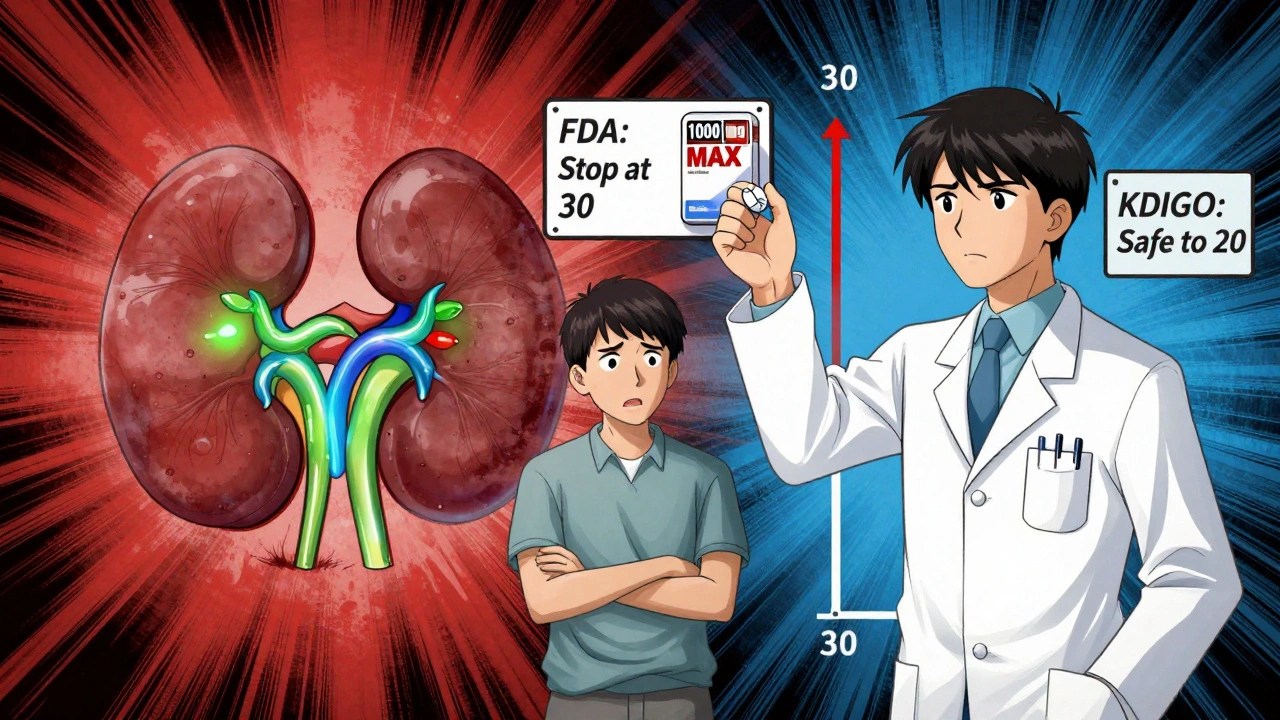
Renal Dosing for Metformin and SGLT2 Inhibitors: When to Adjust in 2025
Updated 2025 guidelines on when to adjust metformin and SGLT2 inhibitor doses in kidney disease. Know the eGFR thresholds, what to do when levels drop, and how to fight insurance denials.
DetailRelated Posts