Medication Shelf Life: How Long Your Pills Really Last and What to Do When They Expire
When you see an expiration date on your medicine bottle, it’s not just a suggestion—it’s a scientifically tested limit. The expiration date is the final day the manufacturer guarantees the drug will work as intended and remain safe to use. After that, the active ingredients may break down, lose strength, or even form harmful byproducts. This isn’t theoretical. The FDA has tested dozens of expired drugs and found that some, like insulin or nitroglycerin, can become dangerously ineffective within months of their printed date. Even if your pills look fine, their potency isn’t guaranteed. And for life-saving meds like epinephrine or heart medications, that drop in strength could mean the difference between life and death.
But not all drugs decay at the same rate. liquid antibiotics, for example, often expire within weeks after mixing, while solid tablets like aspirin or metoprolol can stay stable for years past their label date—if stored right. Temperature, humidity, and light are the real enemies. Keep your meds in a cool, dry place, not the bathroom cabinet where steam and heat are constant. A drawer in your bedroom is better. Avoid leaving pills in a hot car or a sunlit windowsill. And never store them in their original blister packs if they’ve been removed from the factory-sealed bottle—those packs aren’t designed for long-term protection.
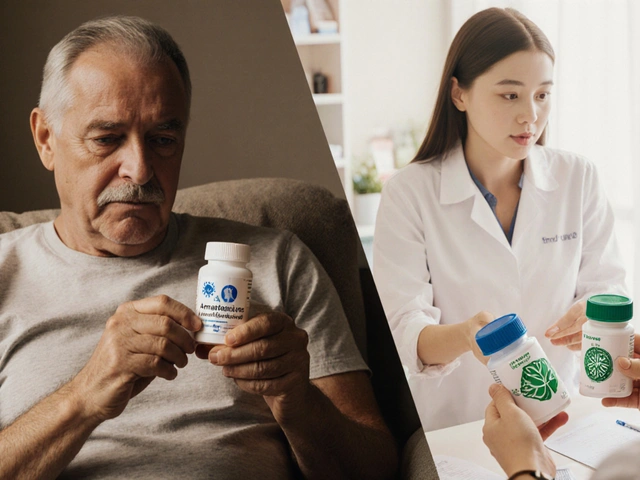
What about those old pills in the back of your cabinet? If they’re more than a year past their expiration and you’re not sure what they are, don’t guess. expired medications can cause side effects or fail to treat your condition. A 2012 study by the FDA found that 88% of expired antibiotics still had at least 90% of their labeled potency, but that doesn’t mean it’s safe to use them. Some drugs, like tetracycline, can become toxic after expiration. And for chronic conditions like high blood pressure or diabetes, even a small loss in effectiveness can lead to serious complications. If you’re unsure, talk to your pharmacist. They can tell you if a drug is still safe or if you need a new prescription.
And here’s something most people don’t think about: drug storage affects more than just potency. Moisture can turn pills into powder. Heat can melt capsules. Light can degrade active ingredients. That’s why some medications come in dark bottles or with desiccant packets inside. Never remove those packets—they’re there for a reason. Also, don’t mix different drugs in one container. Cross-contamination can alter chemical stability. Keep each medication in its original labeled container, even if it’s ugly or bulky. The label has more than just the name—it has storage instructions, lot numbers, and expiration dates you can’t afford to lose.
When it’s time to get rid of old meds, don’t flush them or toss them in the trash. medication safety includes proper disposal to protect the environment and prevent accidental poisoning or misuse. Many pharmacies and community centers now offer take-back programs. If none are available, mix pills with coffee grounds or cat litter in a sealed bag before throwing them away. This makes them unappealing and unusable. Never leave them accessible to kids or pets.
What you’ll find below are real, practical guides on how to handle your meds from storage to disposal. From how long insulin lasts in the fridge to why some pills turn chalky, from why you shouldn’t trust that 5-year-old antibiotic to how to check if your blood pressure meds are still good—we’ve covered it. No fluff. No theory. Just what you need to know to keep yourself and your family safe.
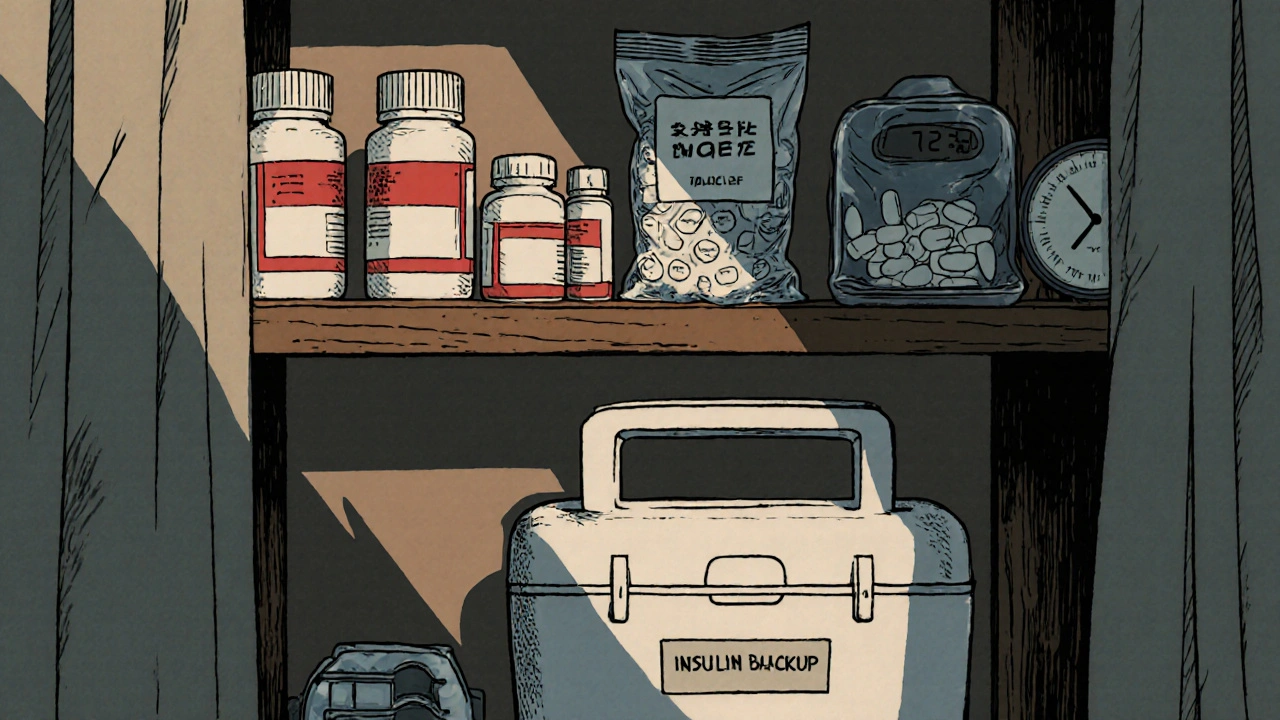
How to Store Emergency Kits to Maximize Medication Shelf Life
Learn how to store emergency medications properly to prevent spoilage and ensure they work when you need them most. Avoid common mistakes and use proven methods to extend shelf life during power outages and disasters.
DetailRelated Posts