Generic Drug Interactions: What You Need to Know Before Taking Them
When you take a generic drug, a medication approved by the FDA as identical in dosage, safety, strength, and performance to its brand-name counterpart. Also known as generic medication, it works the same way—but it doesn’t mean it’s free from dangerous drug interactions, harmful reactions that happen when two or more substances affect each other in your body. Many people assume generics are safer because they’re cheaper, but that’s not true. A generic version of warfarin, for example, can still interact with St. John’s Wort, birth control, or even grapefruit juice just like the brand name. The active ingredient is the same—and so are the risks.
What makes generic drug interactions, harmful reactions caused by the chemical behavior of generic medications in combination with other drugs, supplements, or foods tricky is that they’re often hidden in plain sight. You might switch from brand to generic without thinking twice, not realizing your body reacts differently to slight variations in inactive ingredients or absorption rates. That’s why bioequivalence, the measure that proves a generic drug performs the same way in the body as the brand version matters more than you think. For most drugs, the FDA allows a 80-125% range in how much of the drug enters your bloodstream. But for narrow therapeutic index (NTI) drugs, medications like phenytoin, warfarin, and digoxin where even tiny changes can cause serious harm, that range shrinks to 90-111%. One batch of generic metformin might be fine. Another might drop your blood sugar too low—or not enough—because of minor differences in how it dissolves. That’s not a flaw in the system. It’s a gap in awareness.
And then there’s the wild card: herbal supplements, natural products like St. John’s Wort, Ashwagandha, or Chyawanprash that people take without realizing they’re powerful drug modifiers. St. John’s Wort alone can cut the effectiveness of HIV meds, birth control, and transplant drugs by up to 70%. It doesn’t care if your pill is generic or brand. It just reacts. Same with OTC painkillers, antacids, or even magnesium supplements. These aren’t harmless. They’re chemical actors in your body’s system—and they play well with some drugs, poorly with others.
You don’t need a pharmacy degree to stay safe. You just need to know what to ask. Check for interactions using free tools. Ask your pharmacist about the specific generic you’re taking—not just the drug name, but the manufacturer. Keep a list of everything you take, including vitamins and teas. If you’ve had a severe reaction to one drug, don’t assume all drugs in that family are safe. And never assume a cheaper pill is automatically safer. The science behind generics is solid—but your body doesn’t care about the label. It cares about what’s in the tablet, how it’s absorbed, and what else you’re taking with it.
Below, you’ll find real-world guides on how to spot dangerous combos, understand why some generics behave differently, and protect yourself from hidden risks—whether you’re on diabetes meds, blood thinners, or just trying to manage stress with herbal supplements. This isn’t theory. It’s what people actually need to know before they swallow their next pill.
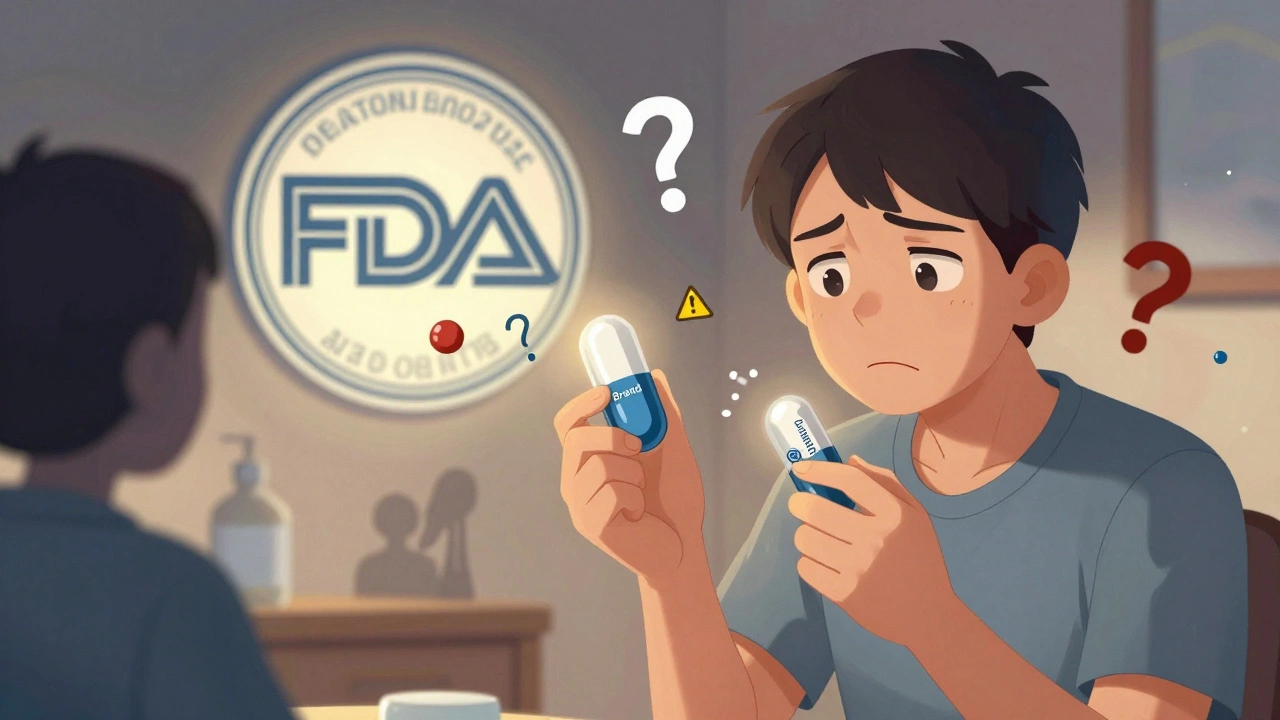
Drug Interaction Issues: When Generics Interact Unexpectedly
Generic drugs are just as safe as brand-name versions, but misconceptions about interactions persist. Learn why some people feel different after switching - and how to stay safe without overpaying.
DetailRelated Posts