Emergency Kit Tips: What to Keep and Why It Matters
When disaster strikes—whether it’s a power outage, car accident, or sudden illness—your emergency kit, a curated collection of essential supplies for unexpected health crises. Also known as a first aid kit, it’s not just a box of bandages. It’s your first line of defense when help isn’t immediately available. Most people think of flashlights and bottled water, but the real life-savers are often the small things: the right pain reliever, a spare prescription, or even a printed list of your meds. Without these, a minor issue can turn into a medical emergency.
Your emergency medication, prescription drugs and OTC remedies kept ready for sudden health needs should be chosen carefully. Not every pill in your medicine cabinet belongs in the kit. For example, keeping expired antibiotics or unused opioids does more harm than good. Instead, focus on what’s proven, safe, and specific to your needs. If you take blood pressure pills daily, include at least a week’s supply. If you have allergies, pack an extra epinephrine auto-injector. And don’t forget to check expiration dates every six months—this isn’t a set-it-and-forget-it item.
Then there’s the first aid supplies, basic tools and materials for treating minor injuries and stabilizing emergencies. Gauze, adhesive tape, antiseptic wipes, tweezers, and disposable gloves aren’t glamorous, but they’re what keep you from panicking when you cut your hand or someone gets a burn. Add a digital thermometer, a pair of scissors, and a small notebook to record symptoms or medication times. These aren’t luxuries—they’re the difference between waiting for an ambulance and taking control.
Travel changes everything. A travel health kit, a portable version of an emergency kit designed for trips, especially across borders needs to account for rules you might not know. Some countries ban common drugs like pseudoephedrine or even certain painkillers. That’s why you need to check what’s legal before you fly. Also, pack a copy of your prescriptions and a doctor’s note for anything controlled. You don’t want to be turned away at customs because your allergy meds look like something they don’t recognize.
And then there’s the hidden gap: disaster preparedness, the broader practice of planning for emergencies that include health, power, and access to care. It’s not just about what’s in your bag—it’s about knowing who to call, where the nearest clinic is, and how to access free or low-cost meds if your supplies run out. That’s why the posts below cover things like where to find help without insurance, how to dispose of old pills safely, and what happens when your meds get seized or lost.
What you’ll find here isn’t a checklist. It’s real stories, real mistakes, and real solutions from people who’ve been there. Whether you’re packing for a road trip, preparing for winter storms, or just want to stop feeling anxious about the next emergency—you’ll find exactly what you need to build a kit that actually works.
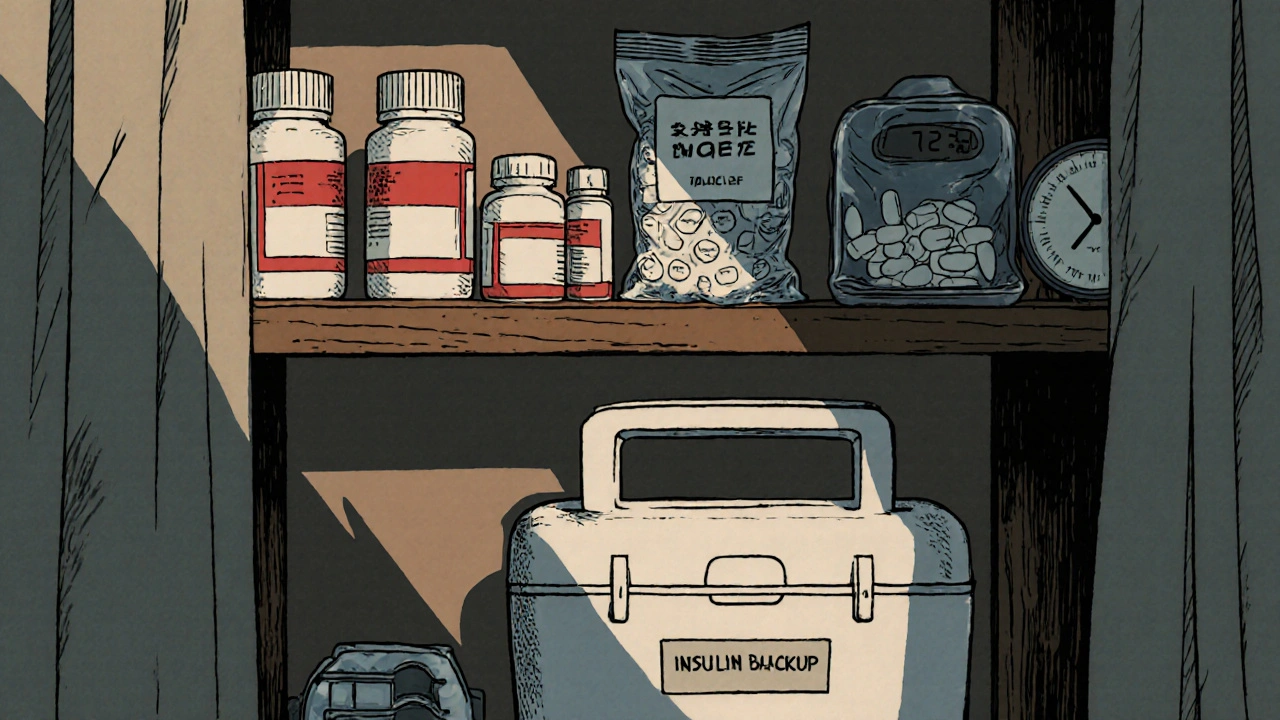
How to Store Emergency Kits to Maximize Medication Shelf Life
Learn how to store emergency medications properly to prevent spoilage and ensure they work when you need them most. Avoid common mistakes and use proven methods to extend shelf life during power outages and disasters.
DetailRelated Posts