Biologics for Thyroid Eye Disease: What You Need to Know
When your eyes feel swollen, bulging, or painful because of an overactive thyroid, you’re dealing with thyroid eye disease, an autoimmune condition where the immune system attacks tissues behind the eyes, causing inflammation and vision problems. Also known as Graves’ ophthalmopathy, it’s not just about appearance—it can blur vision, cause double vision, and even threaten sight if left untreated. This isn’t just dry eyes or allergies. It’s your own immune system going rogue, targeting the muscles and fat around your eyes, often alongside Graves’ disease. For years, treatment meant steroids, radiation, or risky surgery. Now, a new class of drugs called biologics, targeted therapies made from living cells that block specific parts of the immune response. Also known as monoclonal antibodies, these drugs are designed to stop the damage at its source. One of them, Teprotumumab, the first FDA-approved biologic specifically for thyroid eye disease. Also known as Tepezza, it’s not a general immune suppressant—it zeroes in on the insulin-like growth factor-1 receptor, the exact trigger behind the swelling and tissue growth in your eye sockets. That’s why it works where steroids often fail: it doesn’t just calm inflammation, it reverses the physical changes.
Biologics for thyroid eye disease aren’t for everyone. They’re usually reserved for moderate to severe cases where vision is at risk or quality of life is heavily impacted. You’ll need a specialist to confirm the diagnosis—routine eye exams often miss the early signs. Blood tests for thyroid function alone won’t cut it; imaging like MRI or CT scans show the real damage behind the eyeball. And unlike steroids, which cause weight gain, high blood sugar, and mood swings, biologics have a cleaner side effect profile—though they can cause muscle cramps, fatigue, or hearing changes in some people. The treatment is given as an IV infusion every three weeks for about six months. It’s not cheap, but for many, it’s life-changing: bulging eyes recede, double vision improves, and pain fades. It’s not a cure, but it’s the closest thing we have.
What you won’t find in most doctor’s offices yet are long-term studies on what happens after treatment stops. Will the disease come back? Can you prevent relapse? Right now, the data is promising but still growing. Meanwhile, patients are finding real relief—not just from symptoms, but from the fear that their eyes will keep changing. The posts below cover everything from how these drugs compare to older treatments, to real patient experiences, to what to ask your doctor before starting. You’ll also find info on managing side effects, insurance hurdles, and how biologics fit into the bigger picture of autoimmune eye conditions. This isn’t theoretical. These are tools that are already helping people see clearly again.
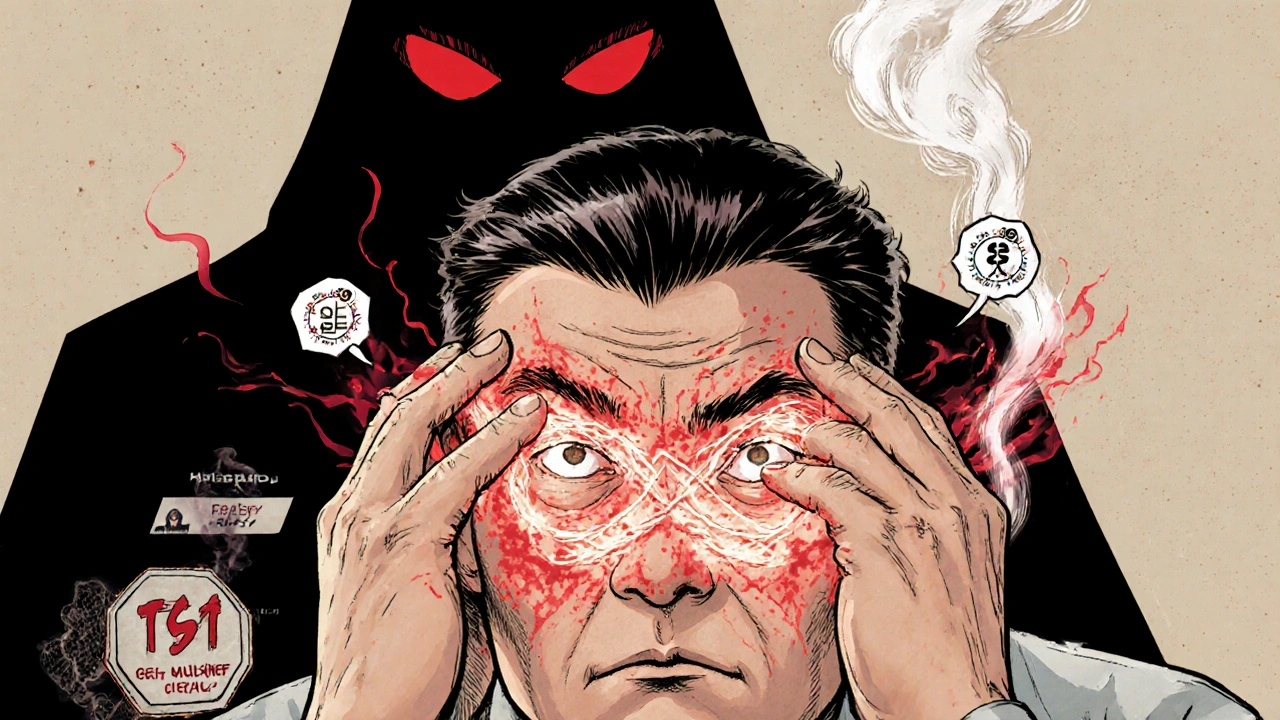
Thyroid Eye Disease: Symptoms, Steroids, and Biologics Explained
Thyroid Eye Disease causes bulging eyes, double vision, and pain. Learn how steroids and biologics like teprotumumab treat active inflammation, why timing matters, and what new treatments are on the horizon.
DetailRelated Posts