
SSRI/SNRI Tapering Calculator
Medication Details
Key Information
Expected Withdrawal Timeline
Select your medication to see your expected timeline
Common Symptoms
Select your medication to see common withdrawal symptoms
Recommended Tapering Steps
Select your medication and tapering strategy to see your steps
Medication Reference Table
| Medication | Half-Life | Typical Symptom Onset | Common Withdrawal Symptoms |
|---|---|---|---|
| Paroxetine (Paxil) | 24 hours | 1–3 days | Brain zaps, dizziness, nausea, anxiety |
| Venlafaxine (Effexor) | 5 hours | 24–48 hours | Severe dizziness (78%), brain zaps (62%), nausea (55%) |
| Sertraline (Zoloft) | 26 hours | 1–3 days | Insomnia, irritability, flu-like symptoms |
| Escitalopram (Lexapro) | 27–32 hours | 1–3 days | Headaches, mood swings, fatigue |
| Fluoxetine (Prozac) | 4–6 days | Weeks to months | Delayed anxiety, sleep issues, emotional numbness |
Important Safety Information
Withdrawal symptoms can be severe and potentially dangerous. Never stop your medication abruptly without medical supervision. If you experience suicidal thoughts, severe panic attacks, confusion, hallucinations, or seizures, seek immediate medical attention. This calculator provides general information only and should not replace medical advice from your healthcare provider.
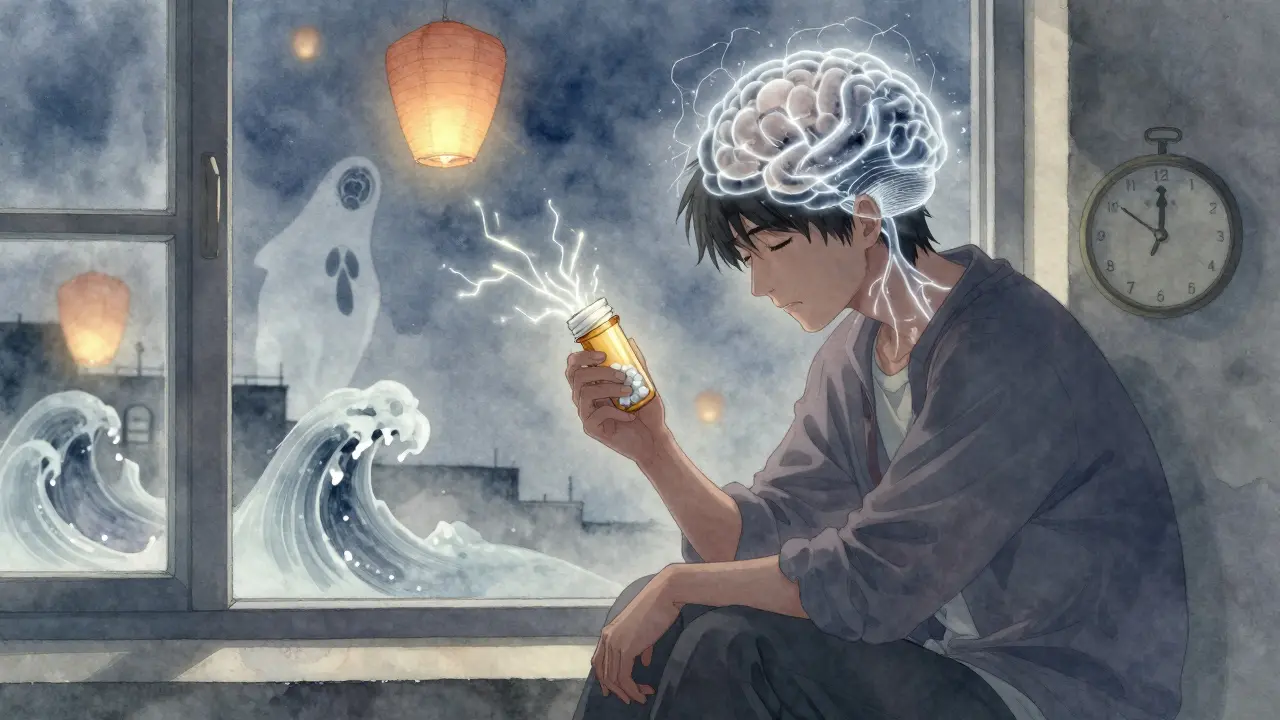
Stopping an SSRI or SNRI isn’t like turning off a light switch. For many people, it’s more like slowly dimming a bulb that’s been on for years - and even then, the afterglow doesn’t disappear right away. If you’ve been on these medications for more than six weeks, your brain has adapted. When you stop, it doesn’t instantly reset. That’s why withdrawal symptoms - often called Antidepressant Discontinuation Syndrome - aren’t rare. They’re expected. And if you’re not prepared, they can feel like your depression is coming back. Or worse, like something’s seriously wrong with your brain.
Why Timing Matters: Half-Life Is Everything
Not all antidepressants are made the same. The biggest factor in how you’ll feel when you stop is how long the drug stays in your body. That’s called its half-life. A short half-life means the drug clears fast. That means symptoms show up fast. A long half-life gives your brain more time to adjust.Paroxetine (Paxil) and venlafaxine (Effexor) have some of the shortest half-lives. Paroxetine leaves your system in about a day. Venlafaxine? Even faster - around five hours. That’s why people on these drugs often feel dizzy, nauseous, or hit with electric-shock sensations in their head - called “brain zaps” - within 24 to 48 hours of missing a dose. These aren’t side effects. They’re withdrawal. And they’re intense.
Fluoxetine (Prozac) is the outlier. It sticks around for days - up to six. That’s why people on Prozac often don’t feel anything for weeks after stopping. But don’t be fooled. Symptoms can still show up a month later. That’s why experts say you need to monitor yourself for at least three months after your last dose.
Here’s a quick snapshot of how different drugs behave:
| Medication | Half-Life | Typical Symptom Onset | Common Withdrawal Symptoms |
|---|---|---|---|
| Paroxetine (Paxil) | 24 hours | 1-3 days | Brain zaps, dizziness, nausea, anxiety |
| Venlafaxine (Effexor) | 5 hours | 24-48 hours | Severe dizziness (78%), brain zaps (62%), nausea (55%) |
| Sertraline (Zoloft) | 26 hours | 1-3 days | Insomnia, irritability, flu-like symptoms |
| Escitalopram (Lexapro) | 27-32 hours | 1-3 days | Headaches, mood swings, fatigue |
| Fluoxetine (Prozac) | 4-6 days | Weeks to months | Delayed anxiety, sleep issues, emotional numbness |
How Long Should You Taper? The Great Divide
Here’s where things get messy. Doctors and guidelines don’t agree on how long tapering should take. Some say two weeks. Others say two years. And both sides have data to back them up.Many clinical guidelines - including those from the British Association of Psychopharmacology - suggest a 2- to 4-week taper. That’s fast. And it’s what most general practitioners do. But here’s the problem: patients aren’t responding well to it. A 2023 study in the British Medical Journal found that 68% of people who tapered in under eight weeks ended up with severe withdrawal or relapse.
Meanwhile, patient communities like Surviving Antidepressants and Reddit’s r/antidepressants report something different. Out of thousands of stories, 73% of people needed over a year to stop safely. One person on Reddit described tapering off paroxetine for 11 months - even though their doctor said six months was plenty.
Why the gap? Because guidelines were written based on small clinical trials. Real people live with this for years. And for many, a 10% reduction every four to eight weeks - known as the “10% Rule” - works better than anything else. That means if you’re on 20mg of sertraline, you drop to 18mg, then 16.2mg, then 14.6mg. Tiny steps. Long pauses. You’re not just reducing the drug. You’re giving your brain time to rebuild its own serotonin system.
What Symptoms Should You Watch For?
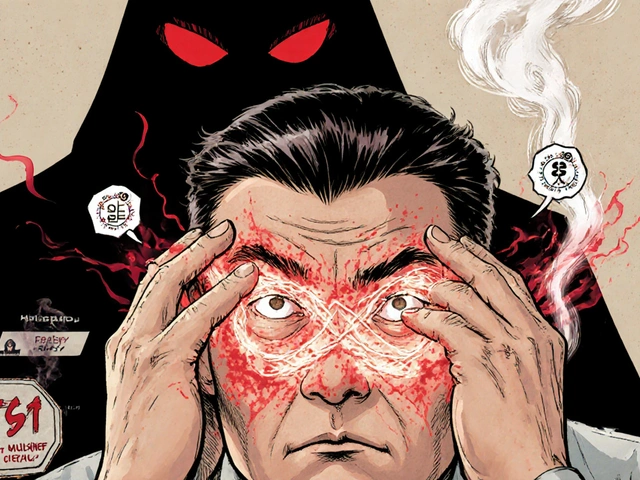
Withdrawal symptoms can feel like a mix of anxiety, flu, and neurological chaos. They’re not dangerous for most people - but they’re deeply unsettling.- Brain zaps: Brief, sharp electrical shocks in the head. Not seizures. Not strokes. Just weird. They’re most common with venlafaxine and paroxetine.
- Dizziness and imbalance: Like you’re on a boat that just stopped moving. Often worse when standing up.
- Flu-like symptoms: Fatigue, chills, muscle aches. No fever. No virus. Just your body reacting.
- Mood swings and anxiety: Panic attacks, crying spells, irritability. These can be mistaken for depression returning.
- Sleep disruption: Insomnia, vivid dreams, or nightmares. Sometimes both at once.
- GI issues: Nausea, vomiting, diarrhea. Very common with short-half-life drugs.
These usually peak within the first week and fade in 1-2 weeks - if you’re lucky. But 10-20% of people report symptoms lasting months. That’s not rare. That’s normal for some.
When You Need to Stop - And When You Shouldn’t
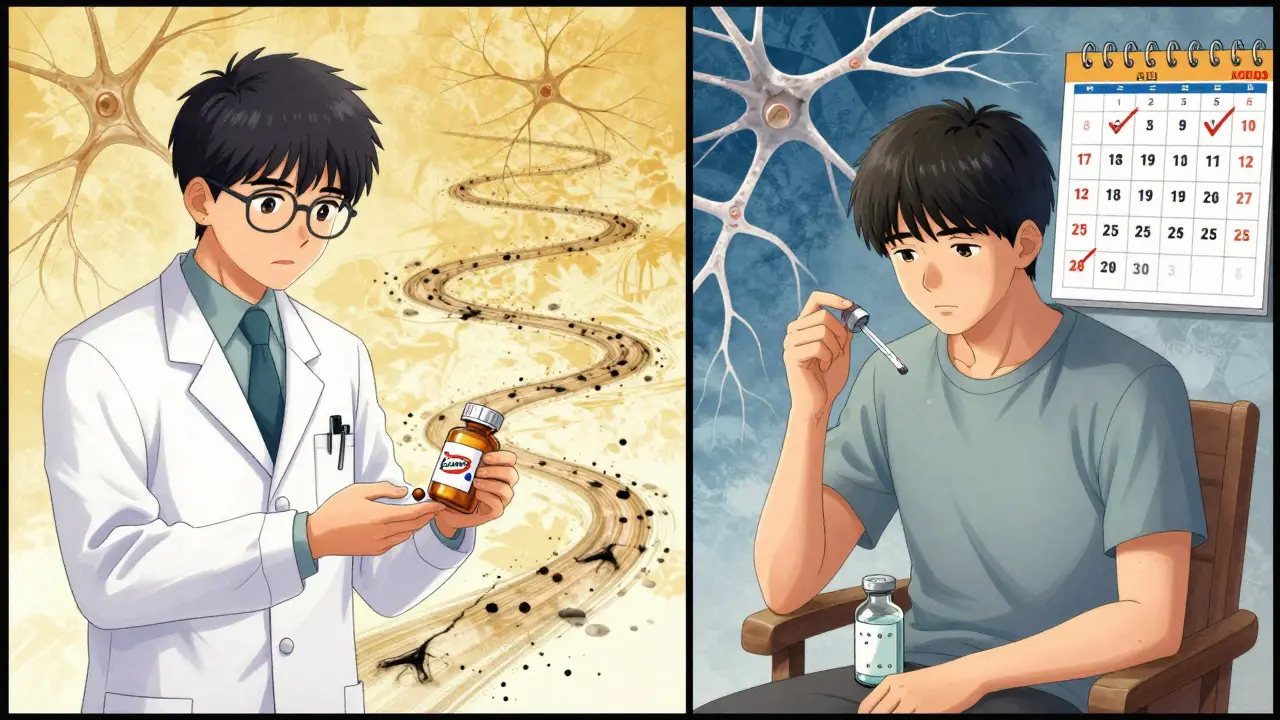
Some people stop because they feel better. Others stop because they’re tired of side effects. Some stop because their doctor says it’s time. But not everyone should.If you’ve been on the medication for less than six weeks, withdrawal is unlikely. But if you’ve been on it for a year or more? Don’t rush. The longer you’ve been on it, the more your brain has changed. Stopping fast increases your risk of relapse - and relapse isn’t just sadness. It’s hospitalization, lost jobs, broken relationships.
Also, don’t switch generic brands without talking to your doctor. A 20% difference in concentration - which can happen with generics - can trigger withdrawal even if you didn’t change your dose. That’s not your fault. It’s a flaw in how we make these drugs.
What Works: Real Strategies That Help
There’s no one-size-fits-all. But these strategies show up again and again in successful cases:- Use liquid formulations: If your drug comes in liquid form (like sertraline or fluoxetine), you can make tiny cuts - 1mg or less. This reduces severe symptoms by over 60% in early trials.
- Alternate-day dosing: If you can’t get smaller pills, take your pill every other day for a few weeks. It’s not perfect, but it slows the drop.
- Switch to fluoxetine: For people on short-half-life drugs like paroxetine or venlafaxine, switching to Prozac first - then tapering off slowly - can make the process much smoother.
- Track symptoms daily: Use a simple app or notebook. Note sleep, mood, brain zaps, nausea. That way, you know if you’re improving or if you need to slow down.
- Don’t panic if symptoms return: If you feel awful after a reduction, go back to your last stable dose. Wait two weeks. Then try again. Slower is safer.
The Cleveland Clinic says 92% of people who succeed at stopping SSRIs or SNRIs work with a provider who knows how to taper slowly. That’s not a coincidence. It’s the difference between surviving withdrawal and being crushed by it.
Red Flags: When to Call Your Doctor Immediately
Most withdrawal symptoms are uncomfortable, not dangerous. But some need urgent attention:- Suicidal thoughts - even if you’ve never had them before
- Severe panic attacks that don’t ease up
- Confusion, hallucinations, or seizures
- Extreme agitation or aggression
The FDA’s adverse event database shows that 4.2% of people attempting to stop antidepressants report suicidal ideation during withdrawal. That’s higher than the rate during active treatment for some. If you feel unsafe, don’t wait. Call your doctor. Go to the ER. Restart your medication if you have to. It’s not failure. It’s survival.
The Bottom Line: Slow Is the Only Way
You don’t need to stop. If you’re feeling okay, stay on. But if you want to stop, do it slowly. Not because you’re weak. Because your brain needs time.Forget the two-week taper. That’s a myth built on outdated science. The real world - the world of real people, real symptoms, real lives - shows that most need months. Some need years. And that’s okay.
Work with someone who gets it. Use liquid forms if you can. Track your symptoms. Be patient. Withdrawal isn’t a race. It’s a slow rewiring. And you’re not broken for needing time. You’re human.
How long do SSRI withdrawal symptoms last?
For most people, symptoms last 1-2 weeks. But 10-20% experience symptoms for months. The duration depends on the drug, how long you were on it, and how fast you tapered. Paroxetine and venlafaxine tend to cause shorter but sharper symptoms. Fluoxetine can cause delayed symptoms that show up weeks later.
Can I stop SSRIs cold turkey?
You can - but you shouldn’t. Stopping suddenly increases your risk of severe withdrawal symptoms like brain zaps, dizziness, nausea, and anxiety. It also raises your chance of relapse. Even if you’ve only been on it for a few months, a slow taper is safer and more effective.
Is withdrawal the same as depression coming back?
No. Withdrawal symptoms are physical and neurological - brain zaps, dizziness, electric shocks, nausea. Depression is emotional - persistent sadness, loss of interest, hopelessness. But they can overlap, which is why many people mistake withdrawal for relapse. Tracking symptoms daily helps tell the difference.
Why do some people have worse withdrawal than others?
It’s a mix of biology and timing. People on short-half-life drugs like venlafaxine or paroxetine tend to have worse symptoms. Those who’ve been on the drug longer, or who taper too fast, also have higher risks. Genetics, stress levels, and mental health history play roles too. There’s no single reason - but slow tapering helps everyone.
Should I switch to fluoxetine before stopping?
For people on short-half-life SSRIs or SNRIs, switching to fluoxetine first can make tapering much easier. Fluoxetine’s long half-life acts like a buffer. You can reduce the dose more gradually, and symptoms are usually milder. This is a common strategy used by specialists - but it must be done under medical supervision.
Are there any new treatments to help with withdrawal?
Yes. Liquid formulations that allow micro-tapers (1-2.5% reductions) are showing promise in early trials, cutting severe symptoms by over 60%. Also, new guidelines are being developed to include patient-reported outcomes, not just clinical checklists. The NIH-funded TAPER-SSRI study, tracking 1,200 patients through 12-month tapers, will release results in late 2025 - and could change how doctors advise withdrawal.
What Comes Next?
If you’re thinking about stopping, start by talking to a doctor who understands tapering - not just one who prescribes. Ask if they’ve helped patients taper off SSRIs or SNRIs before. Ask about liquid options. Ask about tracking symptoms. Don’t settle for a two-week plan unless you’re okay with a 70% chance of struggling.Withdrawal isn’t a failure. It’s the next step. And you don’t have to do it alone.



Paul Ong
January 2, 2026 AT 22:47Worst part was thinking it was a stroke
Richard Thomas
January 4, 2026 AT 04:11It's not about willpower. It's about biology meeting time. And time, unlike pills, can't be rushed. You can't force a tree to grow faster by yelling at it. Why do we think our neurons are any different?
Donna Peplinskie
January 5, 2026 AT 21:19Layla Anna
January 6, 2026 AT 16:31Andy Heinlein
January 7, 2026 AT 10:46do not do what i did
Heather Josey
January 9, 2026 AT 07:11Ann Romine
January 9, 2026 AT 20:09gerard najera
January 11, 2026 AT 16:22