Uninsured Medication Help: How to Get Affordable Drugs Without Insurance
When you don’t have insurance, uninsured medication help isn’t a luxury—it’s a necessity. Many people skip doses, split pills, or go without because they can’t afford their prescriptions. But help exists, and it’s more accessible than you think. Prescription assistance programs, free or low-cost drug programs run by drug manufacturers, nonprofits, and government agencies. Also known as patient assistance programs, these services give eligible people free or deeply discounted medications—often for chronic conditions like diabetes, high blood pressure, or asthma. You don’t need to be homeless or broke to qualify. Many programs accept people earning up to 400% of the federal poverty level.
Generic drugs, the same active ingredients as brand-name pills but without the marketing costs. Also known as generic medications, these are often 80-90% cheaper and just as safe. Patient assistance programs, free or low-cost drug programs run by drug manufacturers, nonprofits, and government agencies. Also known as prescription assistance programs, these services give eligible people free or deeply discounted medications—often for chronic conditions like diabetes, high blood pressure, or asthma. You don’t need to be homeless or broke to qualify. Many programs accept people earning up to 400% of the federal poverty level.
Some pharmacies like Walmart, Target, and Costco offer $4 lists for common generics—insulin, metformin, lisinopril, and more—for under $10 a month. Local health departments and community clinics often have medication donation bins or partner with pharmacies to distribute free drugs. Charities like NeedyMeds and RxAssist track hundreds of programs and walk you through applications step by step. You don’t need a lawyer or a degree in healthcare policy. Just your prescription, proof of income, and a few minutes to fill out a form.
There’s also a growing movement to fix how drugs are priced. In 2022, the Inflation Reduction Act started capping insulin at $35 a month for Medicare users—and some states are now extending that to everyone, insured or not. States like California and New York have launched their own drug affordability programs. Even if you’re not on Medicare, you might still qualify for help through your state’s pharmacy assistance initiative.
And it’s not just about the price tag. Many people don’t realize that some medications can be swapped for cheaper alternatives with the same effect. For example, Glucophage (metformin) has generic versions that cost pennies. Loperamide for diarrhea? Available over the counter for under $5. Norethindrone acetate for PMS? Often covered by patient programs. You don’t have to stick with the first drug your doctor names—ask about alternatives, generics, or samples.
What you’ll find in the posts below are real stories and practical tools: how to safely dispose of old meds without risking your privacy, how to store emergency kits so pills last longer, how to spot counterfeit drugs, and how to use cross-border pharmacy services to save money. You’ll see how St. John’s Wort interacts with other drugs, how generic versions delay hitting shelves, and how diet can help manage symptoms without more pills. These aren’t abstract ideas—they’re things real people are using right now to stay healthy without insurance.
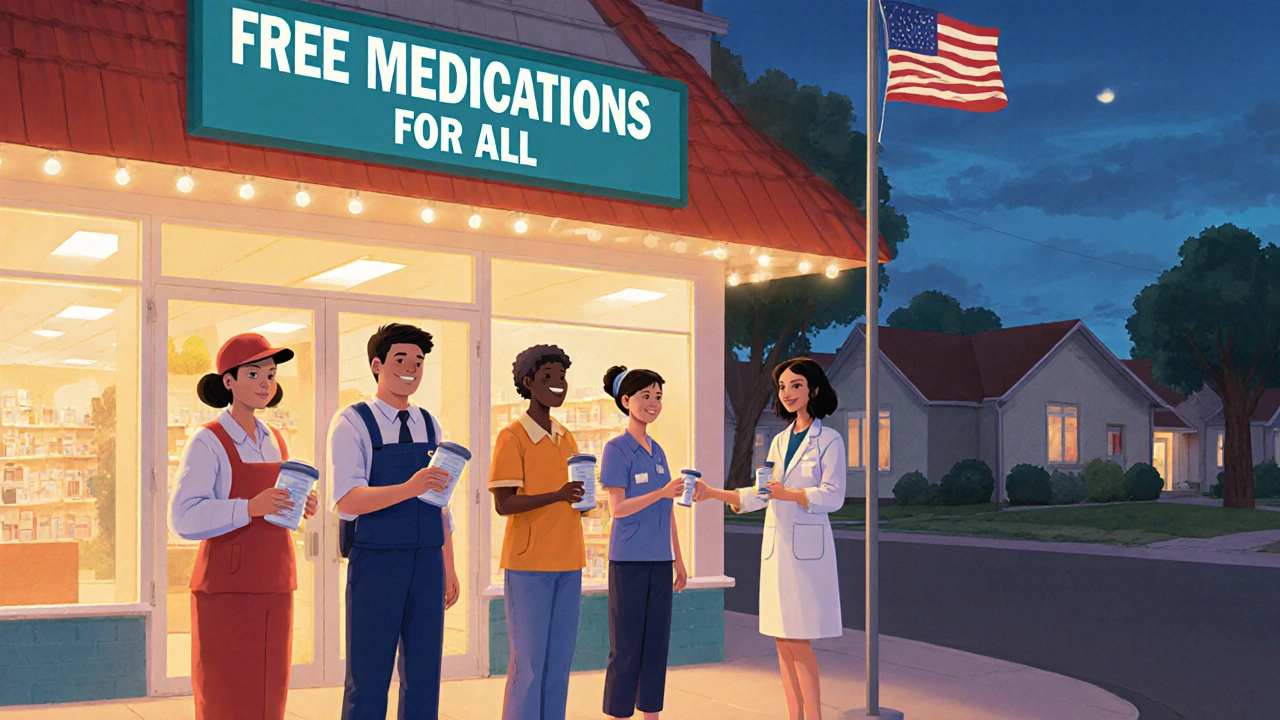
Where to Find Free or Low-Cost Medications at Community Clinics
Discover where to find free or low-cost medications at community clinics if you're uninsured or underinsured. Learn eligibility, how to apply, and which drugs are available - without insurance.
DetailRelated Posts