
Why Fertility Preservation Matters Before Chemotherapy
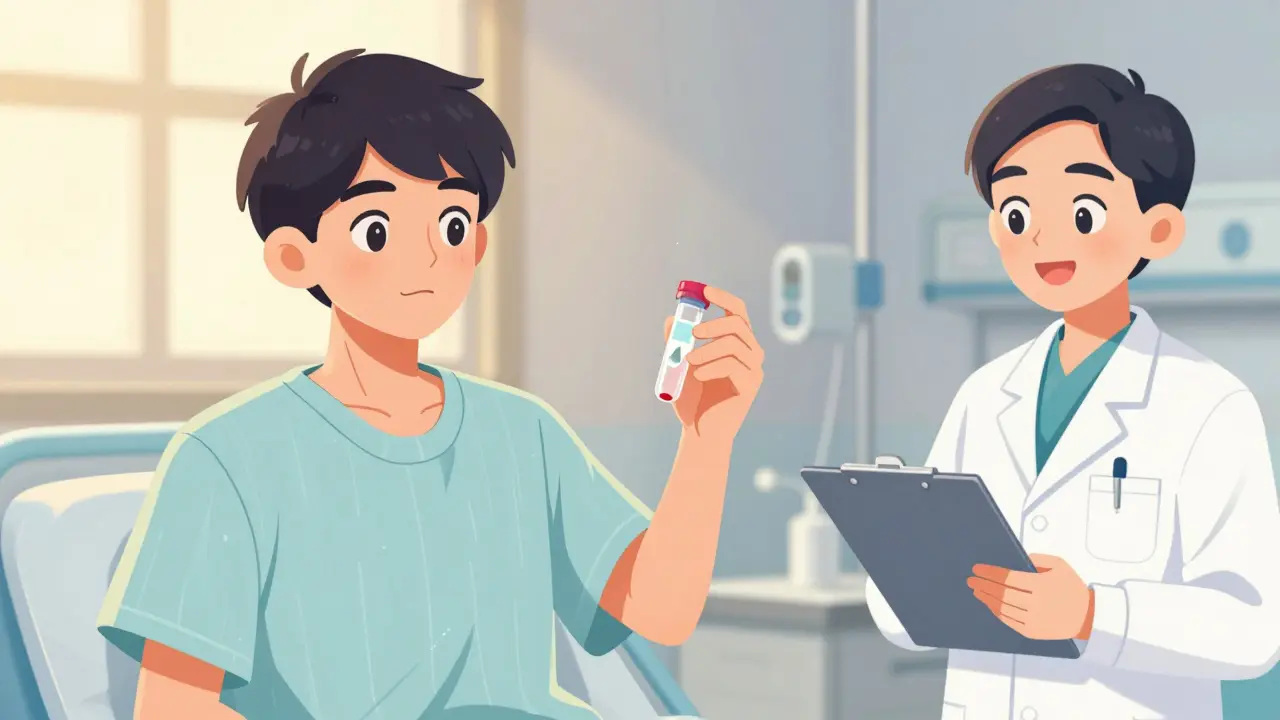
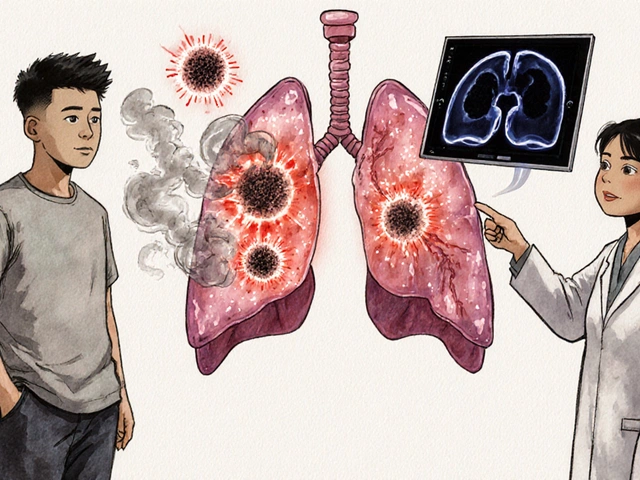
Chemotherapy doesn’t just fight cancer-it can also shut down your ability to have children. For many people, this isn’t just a side effect. It’s a life-changing loss that shows up months or years later, when the cancer is gone but the dream of parenthood feels out of reach. About 80% of common chemotherapy drugs carry a high risk of damaging eggs or sperm. In women, this often leads to early menopause. In men, it can drop sperm counts to zero. The good news? There are proven ways to protect your fertility before treatment starts. But time is tight. You might only have days to act.
What Options Are Actually Available?
There are six main methods used today, each with different requirements, success rates, and timelines. Not all work for everyone, but one of them almost always can.
- Sperm banking is the simplest and most reliable option for men. It takes two to three days of abstinence, then a sample is collected and frozen using glycerol-based solutions. Post-thaw, about 40-60% of sperm remain active. No hormones, no surgery, no delay in cancer treatment. It’s done in a clinic room, often on the same day as diagnosis.
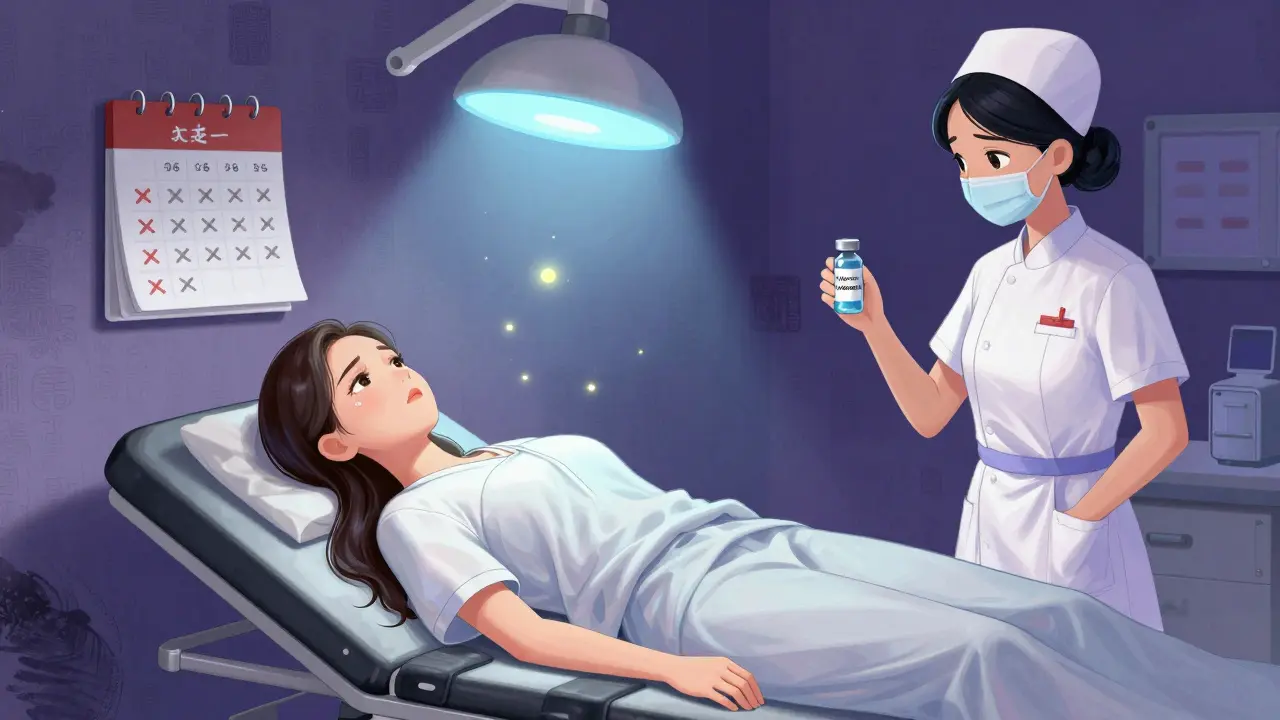
- Egg freezing (oocyte cryopreservation) is the most common choice for women who don’t have a partner or don’t want to use donor sperm. It starts with 10-14 days of daily hormone injections to stimulate egg production. Then, eggs are retrieved under light sedation. Vitrification (ultra-rapid freezing) now gives a 90-95% survival rate. Each frozen egg has a 4-6% chance of leading to a live birth. Most women need to freeze 15-20 eggs to have a good shot.
- Embryo freezing has the highest success rate-50-60% live birth per transfer for women under 35. But it requires sperm, either from a partner or donor. If you’re single, this isn’t an option unless you’re comfortable using donor sperm. The process is identical to egg freezing, except the eggs are fertilized before freezing.
- Ovarian tissue cryopreservation is the only option for girls who haven’t hit puberty, or for women who can’t wait 10-14 days for hormone stimulation. Surgeons remove small pieces of ovarian tissue through a laparoscopic procedure. The tissue is frozen, then later reimplanted when the person is ready to have children. Over 200 live births have been reported globally since 2004. It’s still considered experimental by the FDA, but it’s becoming standard in major cancer centers.
- Ovarian suppression uses monthly injections of drugs like goserelin to temporarily shut down the ovaries during chemo. It doesn’t guarantee fertility, but studies show it reduces the risk of early menopause by 15-20%. It’s not a replacement for freezing eggs or tissue, but it can help when other options aren’t possible. Side effects include hot flashes, night sweats, and vaginal dryness-symptoms that feel like menopause.
- Radiation shielding is for patients getting pelvic radiation. Custom lead shields can block 50-90% of radiation from reaching the ovaries or testes. This only helps with radiation, not chemo. But when used together, it’s a powerful combo.
Timing Is Everything
You might think you have weeks to decide. You don’t. For people with fast-growing cancers like leukemia, doctors may have just 48-72 hours before starting treatment. Even for slower cancers, delays of more than two weeks can cut your chances of successful preservation by half. The average patient waits 17 days after diagnosis before even seeing a fertility specialist. That’s too long.
That’s why hospitals with good oncofertility programs now use random-start protocols. Instead of waiting for your period to begin, you can start hormone stimulation any day of your cycle. This cuts the median delay from 17 days down to just 11.3 days. It’s a game-changer.
For men, sperm banking can be done in one visit. For women, the window is narrower. If you’re diagnosed on a Monday, you need to talk to a reproductive specialist by Wednesday. If you’re waiting for insurance approval or second opinions, you’re losing time.
Who Can’t Use These Options?
Not everyone can freeze eggs or embryos. Girls under 12 can’t undergo ovarian stimulation. That’s why ovarian tissue freezing is their only option. For boys under 14, testicular tissue freezing is still experimental. No live births have been reported yet, but research is advancing fast.
Some cancers can’t wait. In aggressive leukemias or lymphomas, even two weeks of delay can raise relapse risk by 5-10%. In these cases, fertility preservation isn’t always recommended. But it’s still worth discussing. Sometimes, a few days can be carved out.
And for people with hormone-sensitive cancers like breast cancer, doctors used to worry that estrogen-boosting drugs used in egg freezing could fuel tumor growth. But newer studies show that short-term stimulation doesn’t increase recurrence risk. Many oncologists now support it.
What About Cost and Insurance?
Cost is a huge barrier. Egg freezing can cost $10,000-$15,000 per cycle, plus $500-$1,000 a year to store. Sperm banking is cheaper-around $500-$1,000 total. But insurance doesn’t always cover it.
Twenty-four U.S. states now require insurers to cover fertility preservation for cancer patients. But in Australia, coverage is patchy. Medicare doesn’t pay for freezing. Private insurers might, but only if you have extras. Many patients report being denied coverage outright. One Reddit user wrote: “My insurance said egg freezing was ‘elective.’ I had cancer.”
Some clinics offer payment plans or discounts for cancer patients. Nonprofits like Livestrong and the Oncofertility Consortium help with grants. Don’t assume you can’t afford it-ask.

Emotional Weight and Real Stories
This isn’t just medical. It’s emotional. One woman, diagnosed with breast cancer at 29, said: “I cried when I found out I could freeze my eggs. Then I cried again when I realized I might never use them.”
A 2022 study found that 68% of women aged 18-35 regretted not pursuing preservation when treatment was rushed. Others felt guilty for thinking about babies while fighting for their lives. That guilt is real. But so is the relief of knowing you did everything you could.
Success stories exist. A 32-year-old with BRCA1 mutations had her ovarian tissue frozen before chemo. Five years later, after multiple rounds of treatment, doctors reimplanted the tissue. She gave birth to twins.
But the reality is: freezing eggs doesn’t guarantee a baby. You might need multiple cycles. You might never try to use them. That’s okay. The point isn’t to have a child-it’s to keep the option open.
What’s Next for Fertility Preservation?
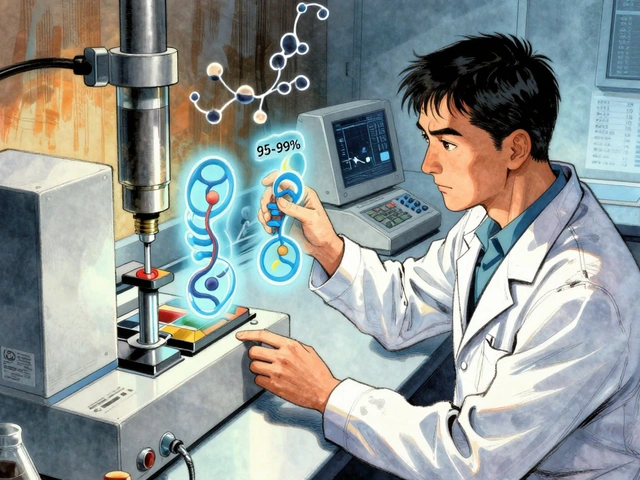
Science is moving fast. In 2023, the FDA approved a closed-system vitrification device that cuts contamination risk by 92%. Researchers are testing ways to grow eggs from frozen ovarian tissue in the lab-no transplant needed. One NIH-funded trial is building artificial ovaries using 3D-printed scaffolds. In monkeys, 68% of follicles survived.
By 2040, half of childhood cancer survivors may need fertility help. That’s driving investment. More hospitals are adding fertility specialists to their cancer teams. In Australia, major centers like Peter MacCallum and Royal Melbourne now have oncofertility pathways built in.
What’s clear: fertility preservation isn’t a luxury. It’s part of cancer care. Just like pain control or infection prevention, it should be offered to every patient who might want children one day.
What Should You Do Right Now?
If you or someone you love is facing chemotherapy:
- Ask your oncologist: “Can you refer me to a fertility specialist today?”
- If you’re male: Schedule sperm banking immediately. No waiting.
- If you’re female: Don’t wait for your period. Ask about random-start protocols.
- If you’re under 12: Ask about ovarian tissue freezing.
- If you’re getting radiation: Ask about shielding.
- Call your insurance. Ask what’s covered. Don’t take ‘no’ for an answer.
- If you feel overwhelmed, reach out to groups like Fertility Network Australia or Cancer Council. They help with navigation, not just information.
There’s no perfect choice. But there’s always a choice. And choosing to preserve fertility doesn’t mean you’re ignoring cancer. It means you’re planning for life after it.



ryan Sifontes
January 29, 2026 AT 03:50Eli In
January 30, 2026 AT 18:41Megan Brooks
January 31, 2026 AT 14:05Robin Keith
January 31, 2026 AT 17:21paul walker
February 2, 2026 AT 04:58Frank Declemij
February 2, 2026 AT 17:43DHARMAN CHELLANI
February 4, 2026 AT 06:16Laura Arnal
February 6, 2026 AT 01:09Jasneet Minhas
February 7, 2026 AT 16:18Sheryl Dhlamini
February 9, 2026 AT 12:15Doug Gray
February 10, 2026 AT 07:49Laia Freeman
February 10, 2026 AT 23:05rajaneesh s rajan
February 11, 2026 AT 08:05kabir das
February 11, 2026 AT 08:22