Severe Drug Reaction: What It Is, How It Happens, and How to Stay Safe
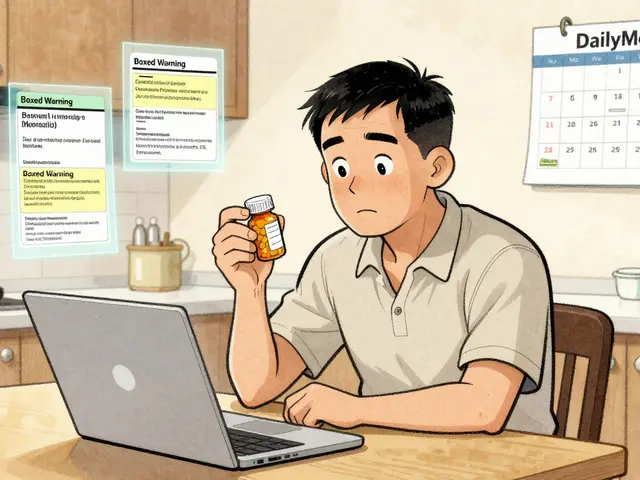
When your body reacts badly to a medication, it’s not always just a rash or upset stomach. A severe drug reaction, a dangerous immune or physiological response to a medication that can threaten life or cause lasting harm. Also known as drug hypersensitivity, it can strike without warning—even if you’ve taken the same pill for years. This isn’t a side effect you can ignore. It’s a system-wide alarm: swelling, trouble breathing, blistering skin, organ failure. The difference between a mild reaction and a severe one? Speed, scale, and survival.
Severe drug reactions don’t always come from new drugs. Sometimes, it’s something you’ve used safely before—antibiotics like penicillin, painkillers like ibuprofen, or even common diabetes meds. Your immune system suddenly sees it as a threat. This is where anaphylaxis, a rapid, full-body allergic reaction that can shut down breathing and circulation comes in. It’s not rare. The CDC estimates over 200,000 ER visits each year in the U.S. alone are tied to drug allergies. And it’s not just about pills. Creams, injections, even IV drips can trigger it. Some people react to inactive ingredients—dyes, fillers, preservatives—that aren’t listed as active drugs but still set off a storm in the body.
What makes it worse? You might not know you’re at risk. If you’ve had a reaction to one drug, you’re more likely to react to others in the same class. For example, if penicillin made you sick, you might also react to amoxicillin. Or if you had a bad reaction to a generic version, it’s not always the brand that’s the issue—it’s the same active ingredient, just made by a different factory. That’s why batch variability, differences in how generic drugs are made across production runs matters. One batch might be fine. Another might contain a trace impurity that triggers a reaction in sensitive people. That’s why some patients get sick after switching generics—even when the label says it’s the same.
And it’s not just about the drug itself. What else are you taking? A drug interaction, when two or more medications affect each other’s behavior in the body can turn a safe dose into a dangerous one. St. John’s Wort, for example, can make antidepressants or birth control fail—but it can also boost the risk of serotonin syndrome, a potentially fatal condition. Even common OTC meds like antacids or supplements can change how your body handles a prescription. That’s why checking interactions isn’t optional. It’s a daily safety habit.
Some reactions show up fast—minutes after swallowing a pill. Others creep in over days or weeks. A fever, rash, or swollen lymph nodes might seem like a cold… until your liver starts failing or your kidneys shut down. That’s why tracking symptoms matters. Write down what you took, when, and how you felt. If you’ve ever had a severe reaction, keep a list. Show it to every doctor, pharmacist, ER nurse. Don’t assume they’ll know. Most don’t ask. And if you’re unsure whether your reaction was serious, it probably was. Better safe than sorry.
Below, you’ll find real-world cases, hidden risks, and practical steps to avoid a severe drug reaction before it starts. From how to spot early warning signs to what to do if you’re hospitalized after a reaction, these posts give you the tools to speak up, ask the right questions, and protect your body—not just your prescription bottle.
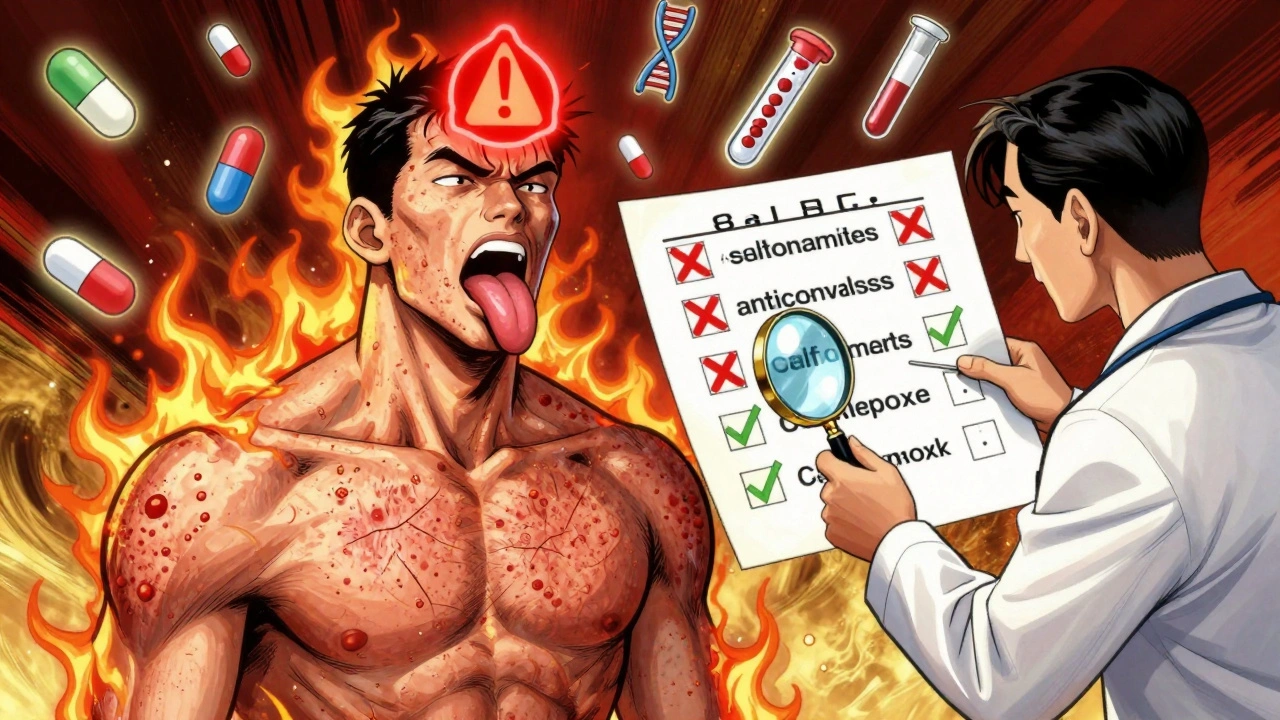
When to Avoid a Medication Family After a Severe Drug Reaction
After a severe drug reaction, you may need to avoid an entire medication family-but not always. Learn when cross-reactivity is real, when it’s a myth, and how to get tested to avoid unnecessary restrictions.
DetailRelated Posts