
Prescription Drug Costs: Why Prices Vary and How to Save
When you pick up a prescription drug costs, the amount you pay at the pharmacy for a medication, often influenced by brand status, patent laws, and insurance rules. Also known as medication pricing, it’s not just about what the drug is—it’s about who made it, when it was approved, and whether anyone else can legally sell a cheaper version yet. You might pay $500 for a brand-name pill one month, then $15 for the exact same medicine a year later—and it’s not a mistake. That’s how the system works.
generic medications, FDA-approved copies of brand-name drugs that contain the same active ingredients, dosage, and effectiveness. Also known as generic drugs, they’re not cheaper because they’re lower quality—they’re cheaper because they don’t need to repeat the billion-dollar clinical trials the original did. The FDA requires them to match the brand in strength, safety, and how the body absorbs them. But even then, some generics still take years to appear after a patent expires. Why? Legal delays, patent thickets, and manufacturers holding onto market control. That’s why you might still be paying high prices for a drug that’s been off-patent for five years.
brand name drugs, original medications developed by pharmaceutical companies and sold under a proprietary name before generics enter the market. Also known as innovator drugs, they’re why some people think all prescriptions are expensive. These drugs carry high prices to recoup R&D costs, but once generics arrive, prices often drop 80-90%. Still, not all drugs get generics quickly. Some, like NTI drugs (narrow therapeutic index), have stricter rules, so even generics must meet tighter standards—and that can delay availability. Then there are specialty drugs: complex, high-cost meds for conditions like cancer or autoimmune diseases. Even when generics exist, they’re often dispensed through specialty pharmacies, making access harder and costs less transparent.
What you pay isn’t just about the pill. It’s about your insurance, your pharmacy, your location, and whether you know where to look. Community clinics offer free or low-cost meds for the uninsured. Online tools help compare prices across pharmacies. Some manufacturers have patient assistance programs. And sometimes, switching to a different drug in the same class—like choosing metformin over a newer, pricier diabetes med—can cut your bill in half.
Counterfeit pills are out there, especially for popular drugs like Ozempic or Xanax. They look real but can be deadly. That’s why buying from licensed pharmacies matters more than ever. And if you’re traveling, some meds legal at home are banned overseas. Always check before you go.
Prescription drug costs aren’t random. They’re shaped by laws, patents, corporate decisions, and your own choices. You don’t have to accept whatever price you’re given. There are ways to save—whether it’s switching to a generic, using a clinic, asking about coupons, or just knowing when to wait for a cheaper version to hit the shelf. Below, you’ll find real guides on how generics work, why some drugs stay expensive, how to find free meds, and what to do when your insurance won’t cover what you need. No fluff. Just what actually helps.
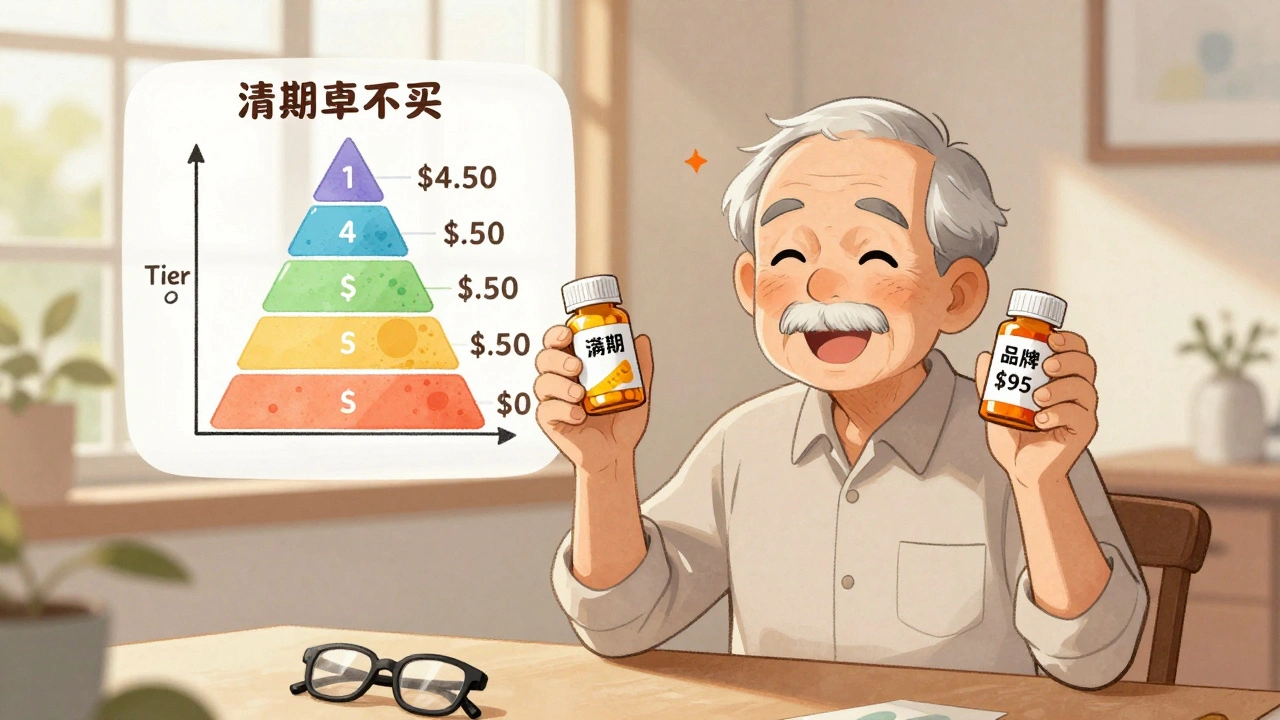
Generic Copays vs Brand Copays: Average 2024 Costs Explained
Learn the real costs of generic vs brand-name drug copays in 2024. See how Medicare and private plans charge differently, what’s changing in 2025, and how to save money on prescriptions.
Detail