FDA Generics: What They Are, How They're Tested, and Why They Save You Money
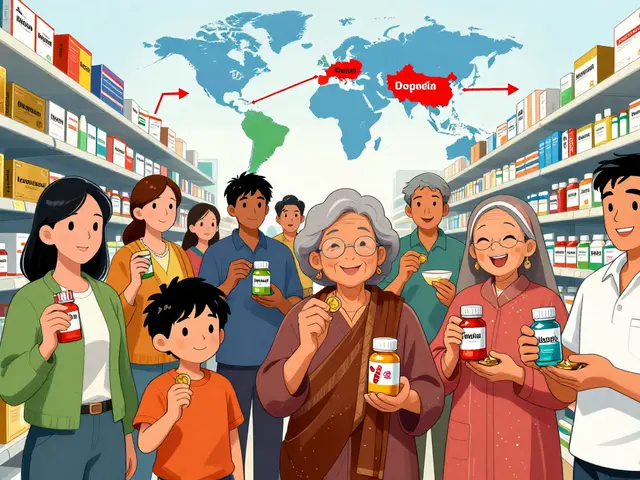
When you pick up a prescription and see a different name than what your doctor wrote, it’s likely an FDA generics, brand-name drugs approved by the U.S. Food and Drug Administration after proving they work the same way in the body. Also known as generic medications, these are not cheaper because they’re weaker—they’re cheaper because they don’t need to repeat expensive clinical trials. The FDA requires them to deliver the same active ingredient, strength, dosage form, and route of administration as the original drug. And here’s the key: they must also be bioequivalent, meaning your body absorbs them at the same rate and to the same extent.
Not all generics are treated the same. For drugs with a narrow therapeutic index (NTI), medications where even small differences in blood levels can cause serious harm or treatment failure—like warfarin, phenytoin, or digoxin—the FDA applies tighter standards. These require replicate bioequivalence studies and stricter limits on how much the generic can vary from the brand. That’s why some NTI generics aren’t automatically interchangeable, even if they’re FDA-approved. Meanwhile, drug costs, the price difference between brand-name drugs and their generic versions can be dramatic. A brand-name drug might cost $500 a month, while its generic version runs $10. That’s not marketing—it’s the result of patent expiration, competition, and FDA rules that let multiple companies make the same medicine after the original patent expires.
But here’s the catch: just because a patent expires doesn’t mean the generic hits the shelf right away. Legal delays, patent thickets, and regulatory backlogs can hold up generics for years. And not every brand has a generic version at all—especially specialty drugs used for rare conditions. Still, for the vast majority of prescriptions—blood pressure pills, diabetes meds, antidepressants—FDA generics are the safe, proven, and affordable choice. You’ll find real-world data on how these drugs compare in cost, effectiveness, and safety across the posts below. From how Medicare handles copays to why some patients still hesitate to switch, the stories here are based on actual patient experiences and updated guidelines. Whether you’re trying to stretch your budget, understand why your pill looks different, or make sure your NTI drug is still working the same way, you’ll find clear answers here—no jargon, no fluff, just what you need to know.
FDA Authorization of Generics: Legal Basis and Approval Process
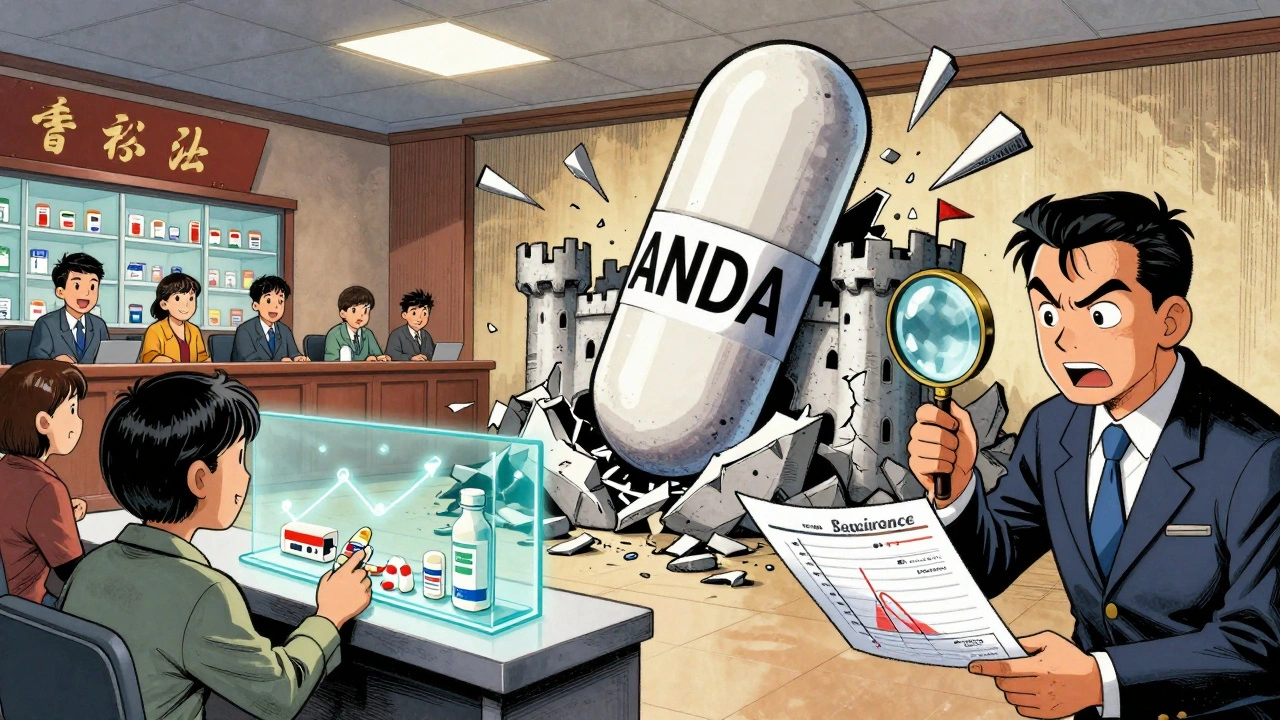
The FDA approves generic drugs through the Hatch-Waxman Act's ANDA pathway, ensuring they match brand-name drugs in safety, strength, and effectiveness. Over 90% of U.S. prescriptions are for generics, saving billions annually.
DetailRelated Posts