Drug Interaction Risks: What You Need to Know to Stay Safe
When you take more than one medication, you’re not just adding pills—you’re adding drug interaction risks, the dangerous or unexpected effects that happen when two or more substances affect each other in your body. Also known as medication clashes, these risks can turn a harmless routine into a medical emergency. It’s not just about mixing pills. Your coffee, grapefruit juice, herbal supplements, or even a new over-the-counter painkiller can change how your blood pressure med, diabetes drug, or antidepressant works. These aren’t rare edge cases—they happen every day, often without anyone noticing until it’s too late.
One of the biggest hidden dangers comes from generic drugs, medications that copy brand-name drugs but are sold under their chemical name. While they’re just as effective, small differences in how they’re made can affect how fast they’re absorbed, especially with drugs that have a narrow therapeutic index. That means the difference between a safe dose and a dangerous one is tiny. Drugs like warfarin, phenytoin, or digoxin are especially tricky. A batch of generic warfarin might work perfectly one month, then cause bleeding the next if the absorption rate shifts slightly. Regulators now require tighter testing for these, but you still need to know your meds and ask questions.
Then there’s the world of herbal supplements, natural products people think are harmless because they’re "natural". St. John’s Wort is a classic example. It might help with mild depression, but it can make birth control fail, knock out your HIV meds, or turn your transplant drug into useless wallpaper. These aren’t myths—they’re documented, life-threatening events. And most people don’t even tell their doctor they’re taking them.
Drug interaction risks aren’t just about what’s in your bottle. They’re about timing, your kidney function, your age, and even what you ate for breakfast. A metformin dose that’s fine one day might need to be lowered if your eGFR drops. A blood thinner might become too strong if you start eating more leafy greens. You don’t need to be a pharmacist to protect yourself—you just need to know what to look for and when to ask.
That’s why the posts below cover real-world cases: how to check interactions at home using free tools, why some people need to avoid entire drug families after a bad reaction, how batch variability in generics can affect you, and what to do when your supplement quietly sabotages your prescription. You’ll find answers about St. John’s Wort, warfarin, metformin, and even how to safely dispose of meds without risking your privacy. This isn’t theory. These are the stories behind the warnings on your prescription label—and what you can actually do about them.
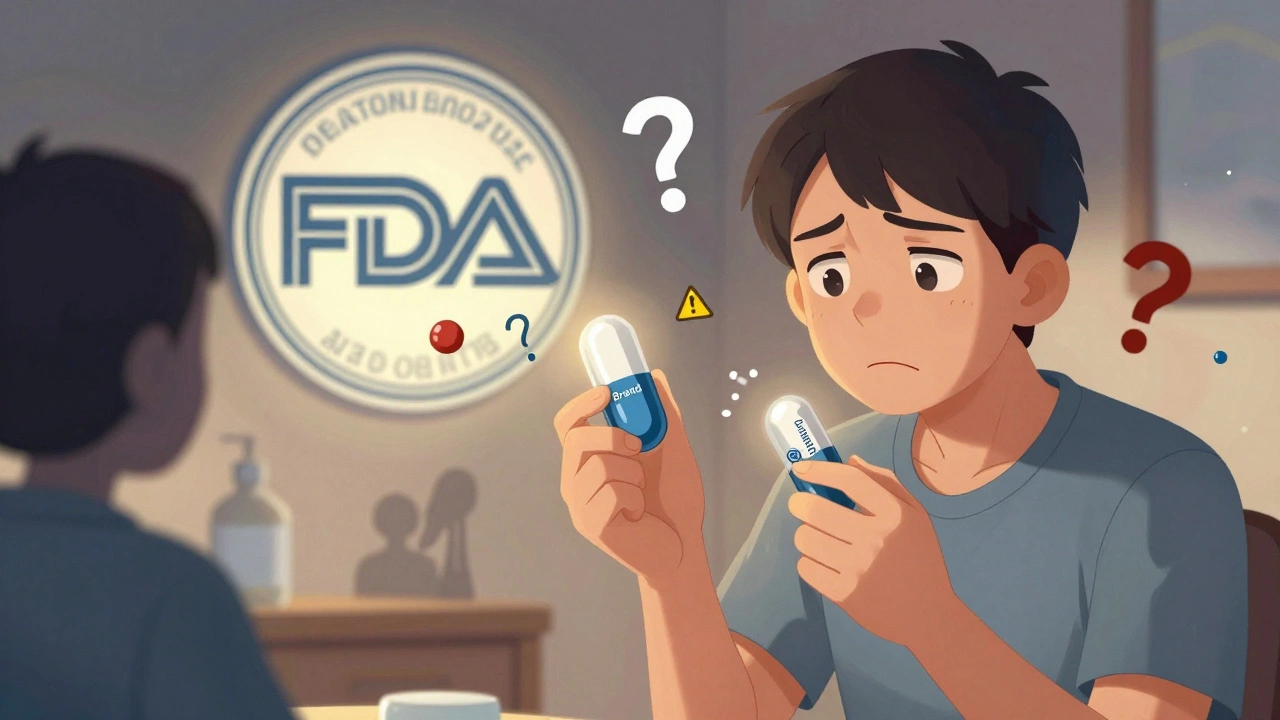
Drug Interaction Issues: When Generics Interact Unexpectedly
Generic drugs are just as safe as brand-name versions, but misconceptions about interactions persist. Learn why some people feel different after switching - and how to stay safe without overpaying.
DetailRelated Posts