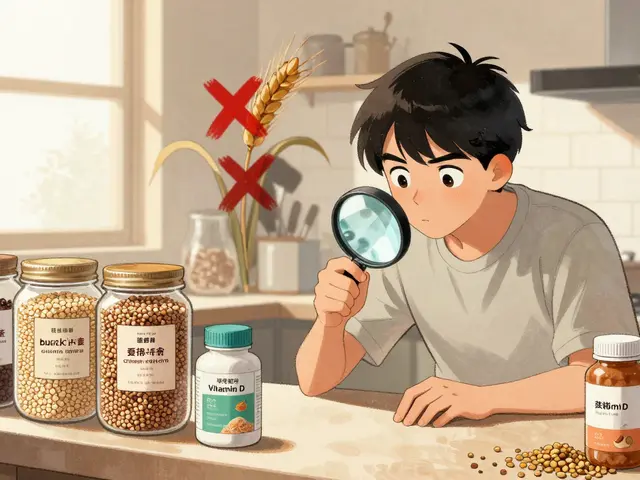
Drug Checker: Verify Medications, Interactions, and Safety Before You Take Them
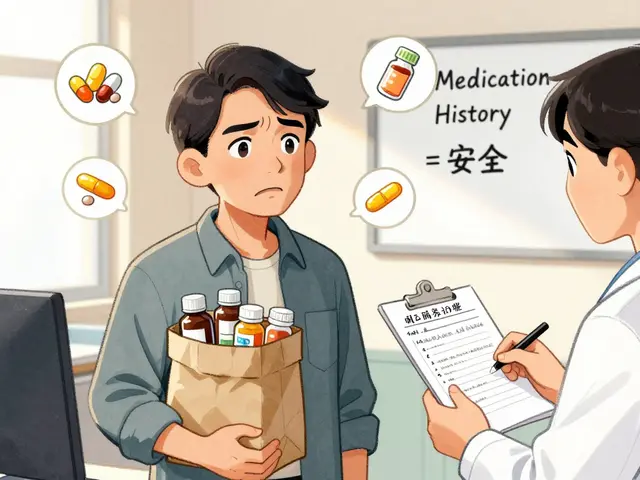
When you pick up a prescription or grab an over-the-counter pill, you’re trusting that it’s safe, effective, and right for you. But not all drugs play nice together—and some aren’t even what they claim to be. A drug checker, a tool or process used to verify medication safety, interactions, and authenticity. Also known as medication verifier, it’s your first line of defense against harmful mix-ups, counterfeit pills, and hidden side effects. Whether you’re on metformin for diabetes, taking St. John’s Wort for mood, or wondering if your generic blood pressure pill is truly equivalent to the brand, a good drug checker helps you ask the right questions before you swallow anything.
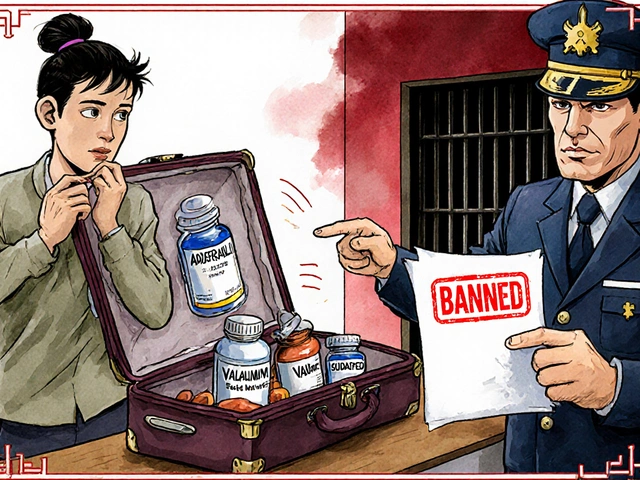
One of the biggest risks isn’t the drug itself—it’s what it’s mixed with. St. John’s Wort, a popular herbal supplement for mild depression. Also known as Hypericum perforatum, it can slash the effectiveness of birth control, warfarin, and even HIV meds. That’s not a rumor—it’s a documented FDA warning. Meanwhile, generic drugs, lower-cost versions of brand-name medications approved by the FDA under the Hatch-Waxman Act. Also known as bioequivalent medications, they save billions each year, but not all are created equal. Narrow therapeutic index drugs like warfarin or phenytoin need stricter testing—90-111% bioequivalence isn’t just a number, it’s a safety line. And if you’re buying meds online or traveling abroad, you might be holding a fake. Counterfeit Ozempic, fake metformin, and mislabeled pills are seized every week. A drug checker helps you spot red flags before they land in your body.
It’s not just about what’s in the pill—it’s about what’s on the bottle. Did you know your prescription label could be a gateway for identity theft? Proper drug disposal, the safe and private method of getting rid of unused medications. Also known as medication privacy disposal, it means scratching off your name, removing the label, or using take-back programs—not just tossing it in the trash. The FDA and HIPAA guidelines exist for a reason: your medical history shouldn’t be readable by the next person who rummages through the bin.
And when kidney function drops, or pregnancy changes your body’s chemistry, the same dose can turn from helpful to harmful. That’s why renal dosing for metformin and SGLT2 inhibitors isn’t optional—it’s life-saving. Same goes for topical creams during pregnancy or how norethindrone acetate affects PMS. These aren’t abstract medical terms—they’re real decisions real people make every day. The posts below give you the exact thresholds, comparisons, and warnings you won’t get from a pharmacist in a 30-second chat. No fluff. No guesswork. Just what works, what doesn’t, and what could kill you if you skip it.
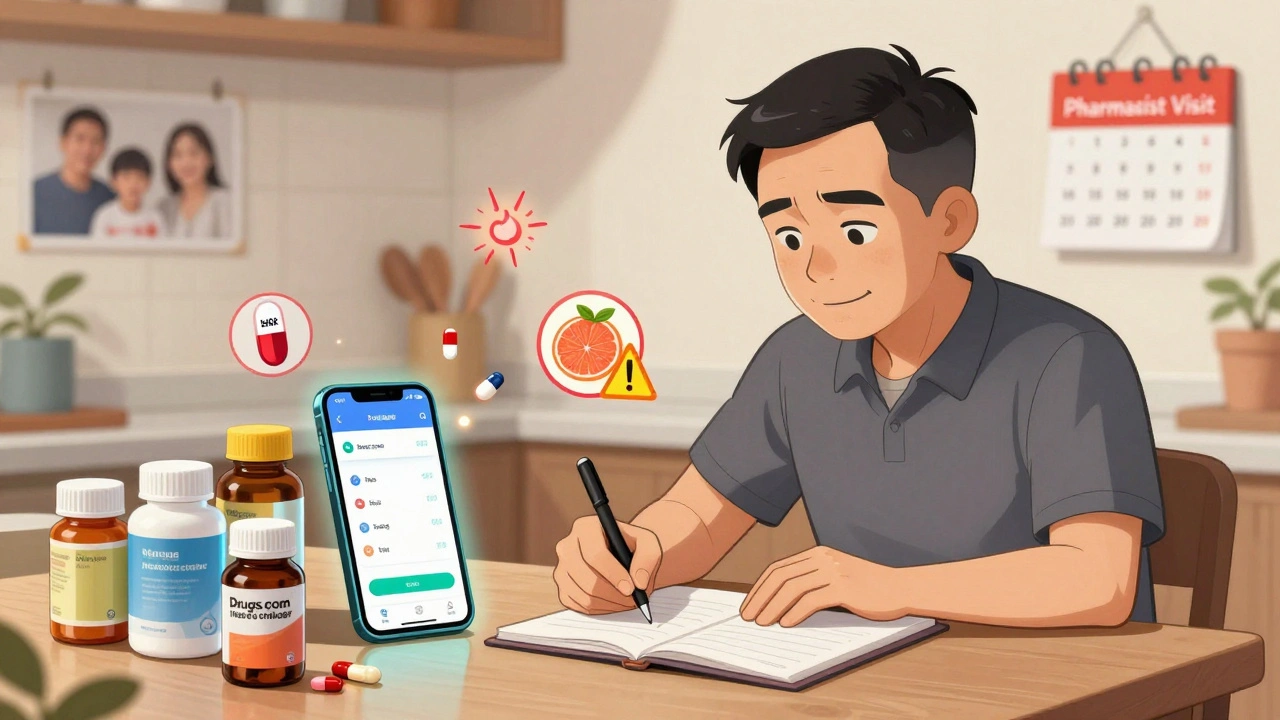
How to Check for Drug Interactions at Home Safely
Learn how to safely check for drug interactions at home using free tools, what to look for, and when to call your pharmacist. Avoid dangerous combos between prescriptions, OTC meds, and supplements.
DetailRelated Posts