Drug Allergy: Symptoms, Triggers, and How to Stay Safe
When your body mistakes a medication for a threat, it can trigger a drug allergy, an immune system overreaction to a medicine that can range from mild rash to life-threatening shock. Also known as medication hypersensitivity, it’s not just a side effect—it’s your immune system attacking something meant to help you. Unlike side effects, which are predictable and dose-related, a true drug allergy happens because your body has built a memory of the drug as dangerous. Even a tiny amount can set off a reaction, and it can get worse every time you’re exposed.
Some drugs are far more likely to cause this than others. Penicillin, a common antibiotic that triggers reactions in up to 10% of people, is one of the biggest culprits. So are sulfa drugs, used for infections and sometimes for autoimmune conditions, and NSAIDs, like ibuprofen and naproxen, which can mimic allergy symptoms without true immune involvement. But here’s the catch: if you’re allergic to one drug in a class, you might react to others in the same group. That’s called cross-reactivity, when your immune system confuses similar chemical structures across different medications. For example, if you’re allergic to one penicillin, you might also react to amoxicillin or cephalexin.
Symptoms can show up fast—or hide for days. A rash, itching, or hives are common. Swelling in the face or throat, trouble breathing, or a sudden drop in blood pressure mean you’re having anaphylaxis, a medical emergency that can kill within minutes if untreated. Many people think they’re allergic because they got a stomachache or headache after taking a pill, but those are usually side effects, not allergies. Only a doctor can tell the difference with proper testing—or by ruling out other causes.
Keeping track matters. If you’ve had a reaction, write down the drug name, what happened, and when. Bring that list to every appointment. Pharmacists can flag risky combos, and your doctor can suggest alternatives. Don’t assume a drug is safe just because it’s generic—your body reacts to the active ingredient, not the brand. And never ignore a reaction just because it was "mild" last time. Allergies can escalate fast.
You’ll find real cases here—from people who thought their rash was just heat to those who nearly lost their lives after a routine antibiotic. We cover what to do if you’re misdiagnosed, how to safely test for allergies, and which meds you can still use even if you’re allergic to one. This isn’t about fear. It’s about knowing what to watch for, what to ask, and how to keep your next prescription from becoming a danger.
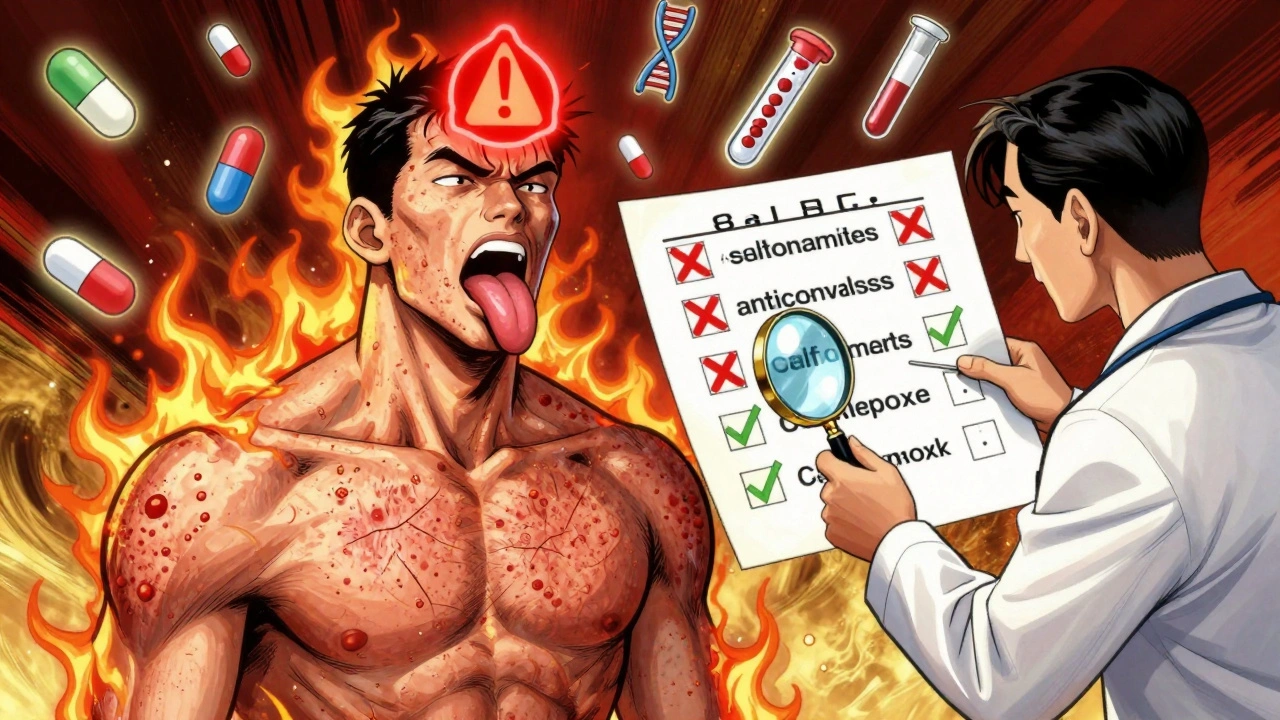
When to Avoid a Medication Family After a Severe Drug Reaction
After a severe drug reaction, you may need to avoid an entire medication family-but not always. Learn when cross-reactivity is real, when it’s a myth, and how to get tested to avoid unnecessary restrictions.
DetailRelated Posts