Cross-Reactivity: What It Means for Drug Safety and Allergic Reactions
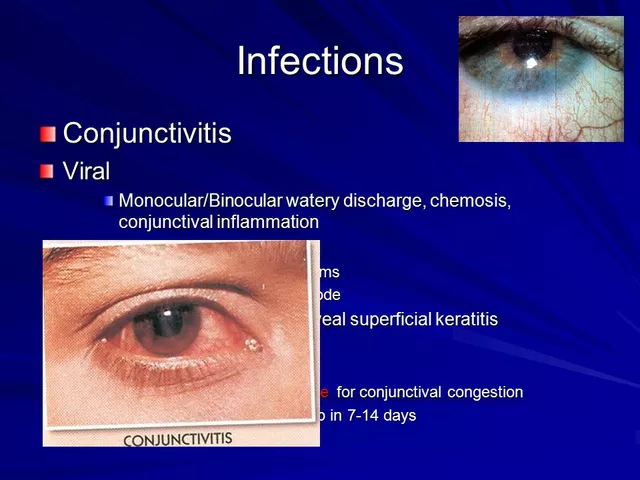
When your body mistakes one substance for another because they look similar, that’s cross-reactivity, a phenomenon where the immune system responds to a foreign substance because it resembles a known trigger. Also known as cross-allergenicity, it’s why someone allergic to peanuts might react to lentils, or why a penicillin allergy can make you sensitive to certain cephalosporins. This isn’t just about food—it’s a quiet but dangerous player in how medications work (or don’t work) in your body.
Drug allergies, an immune response triggered by a medication, not a side effect often hinge on cross-reactivity. For example, if you’ve had a reaction to sulfa drugs, you might react to certain diabetes pills or diuretics that share similar chemical structures. The same goes for cross-reactive proteins, molecules in medications that mimic allergens found in pollen, latex, or animal dander. This is why people with latex allergies sometimes react to gloves used during surgery—or why a shellfish allergy might raise red flags for contrast dyes used in imaging scans. These aren’t random coincidences. They’re biological misfires.
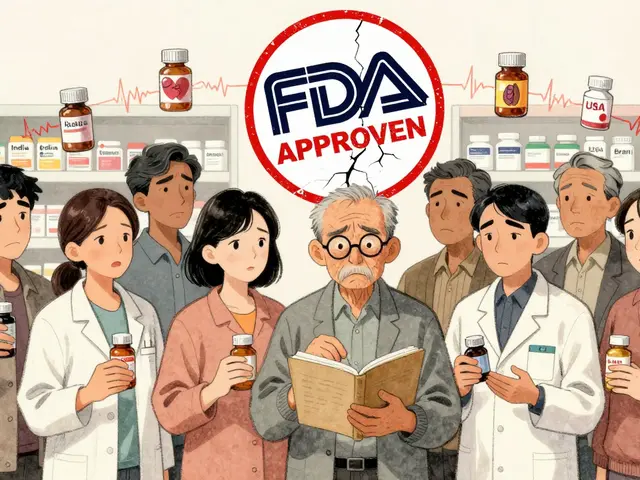
It’s not just about rare reactions. Cross-reactivity is baked into how generics are approved. The FDA requires generics to match brand-name drugs in strength, dosage, and absorption—but what if the inactive ingredients (like dyes or fillers) trigger a hidden cross-reaction? That’s why some patients report feeling different on a generic, even when the active ingredient is identical. It’s not placebo. It’s immunology. And when you’re taking multiple meds, especially for chronic conditions like diabetes or autoimmune disease, each new drug adds another chance for a hidden cross-reaction to slip through.
That’s why checking for medication safety, the practice of avoiding harmful interactions and unintended immune responses isn’t just about drug-to-drug combos. It’s about your whole history: past allergies, environmental triggers, even supplements like St. John’s Wort that can alter how your body processes other drugs. You can’t just rely on a pharmacist’s checklist. You need to know your own triggers. If you’ve ever had an unexplained rash after a new prescription, or felt weird after switching generics, that’s not normal. That’s your immune system giving you a signal.
What you’ll find below are real-world cases where cross-reactivity changed outcomes—some life-saving, some near-disasters. From how generic drugs can carry hidden allergens to why a thyroid medication might trigger a reaction in someone with a shellfish allergy, these posts cut through the noise. No fluff. Just what you need to spot the risks, ask the right questions, and stay safe.
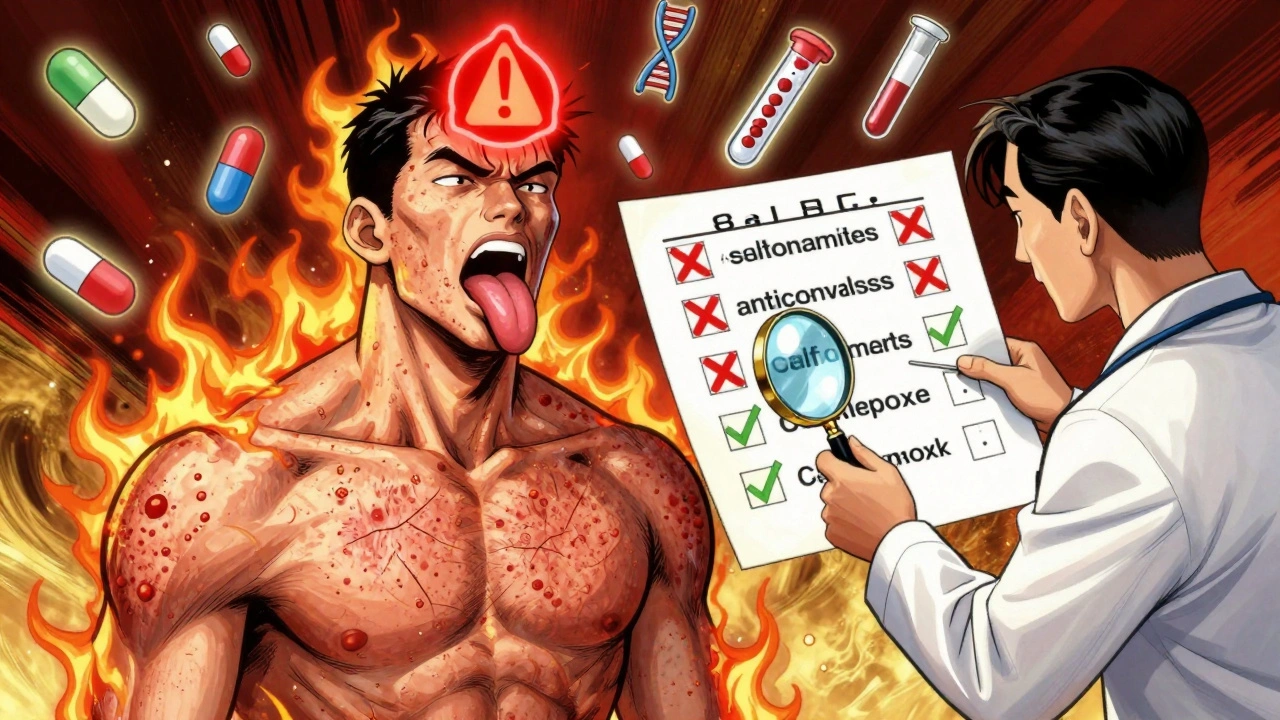
When to Avoid a Medication Family After a Severe Drug Reaction
After a severe drug reaction, you may need to avoid an entire medication family-but not always. Learn when cross-reactivity is real, when it’s a myth, and how to get tested to avoid unnecessary restrictions.
DetailRelated Posts