Bioequivalence Limits: What They Mean for Generic Drugs and Your Health
When you pick up a generic pill, you expect it to do the same job as the brand-name version—and bioequivalence limits, the official standards that prove generic drugs perform the same way in the body as their brand-name counterparts. Also known as therapeutic equivalence thresholds, these limits are the invisible gatekeepers that decide whether a generic drug can legally hit the market. Without them, you could be getting a pill that looks identical but doesn’t work the same—potentially leading to treatment failure or dangerous side effects.
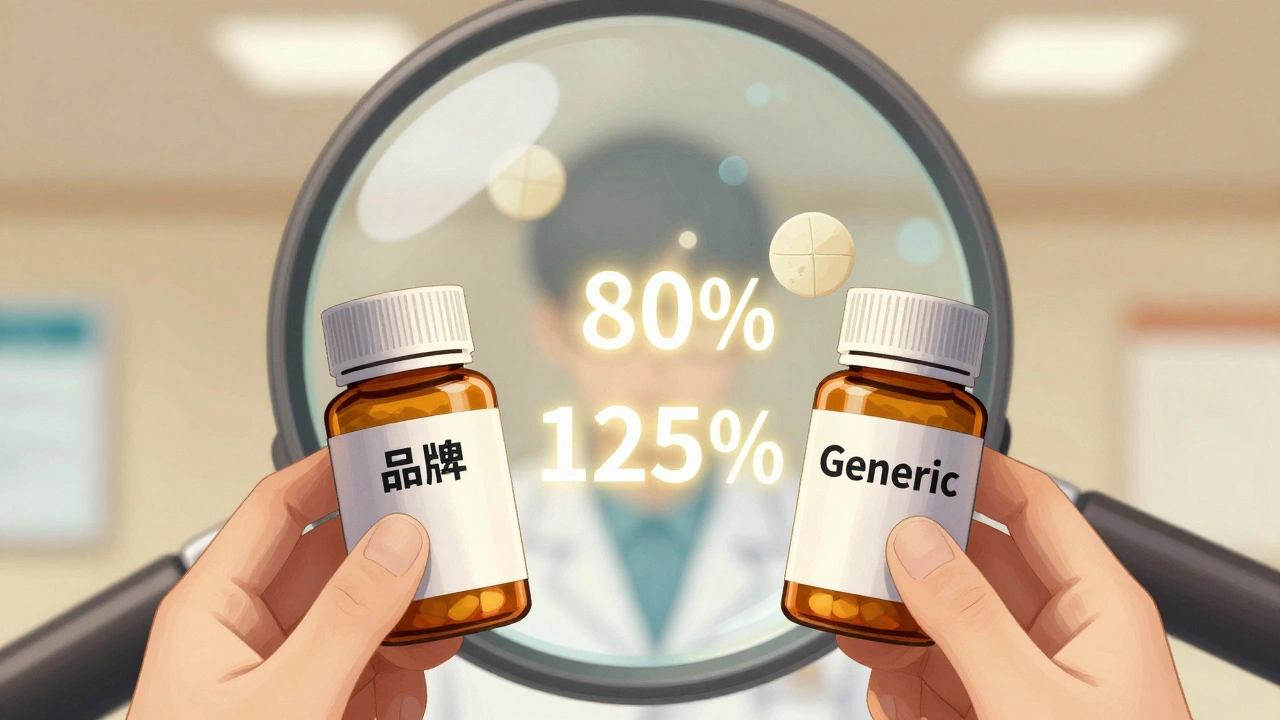
The FDA, the U.S. agency responsible for approving all prescription and over-the-counter medications sets these limits using real-world data from clinical studies. For most drugs, the acceptable range is 80% to 125%—meaning the generic must deliver the same amount of active ingredient into your bloodstream within that margin. But for NTI drugs, narrow therapeutic index medications like warfarin, phenytoin, and digoxin where even small changes can cause harm, the rules tighten to 90% to 111%. That’s because these drugs have razor-thin safety margins. One percent too much or too little can mean the difference between control and crisis.
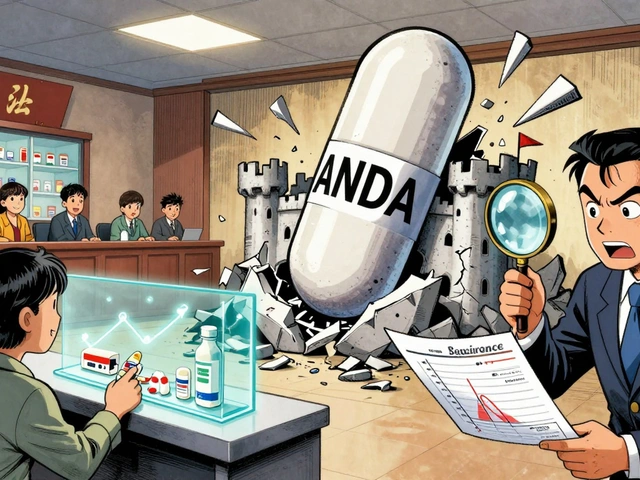
These limits aren’t arbitrary. They come from decades of research and real patient outcomes. The Hatch-Waxman Act, the 1984 law that created the modern pathway for generic drug approval, made bioequivalence the cornerstone of affordability without sacrificing safety. It’s why over 90% of U.S. prescriptions are filled with generics today—saving billions without putting patients at risk. But not all generics are created equal. Some drugs face delays because of patent tricks, regulatory bottlenecks, or complex manufacturing. That’s why the FDA requires replicate studies for certain drugs and extra scrutiny for those used in critical conditions like epilepsy, heart disease, or organ transplants.
What does this mean for you? If you’re switching from a brand to a generic, you can trust that the FDA has already verified it works the same way—unless it’s an NTI drug, where your doctor might monitor you more closely. And if you’ve ever wondered why some generics cost way less but still work just as well, it’s because they don’t need to repeat expensive clinical trials. They just need to prove they match the original within these strict bioequivalence limits.
Below, you’ll find real-world guides on how these standards affect your prescriptions—from the legal process behind generic approval to the hidden rules that apply to high-risk drugs. Whether you’re managing diabetes, heart disease, or just trying to save on your monthly co-pay, understanding bioequivalence helps you make smarter, safer choices.
Batch Variability and Bioequivalence: What Acceptable Limits Really Mean for Generic Drugs
Batch variability can make or break generic drug safety. Learn how regulators are changing bioequivalence standards to ensure consistent, reliable generic medications-without compromising access or cost.
DetailRelated Posts