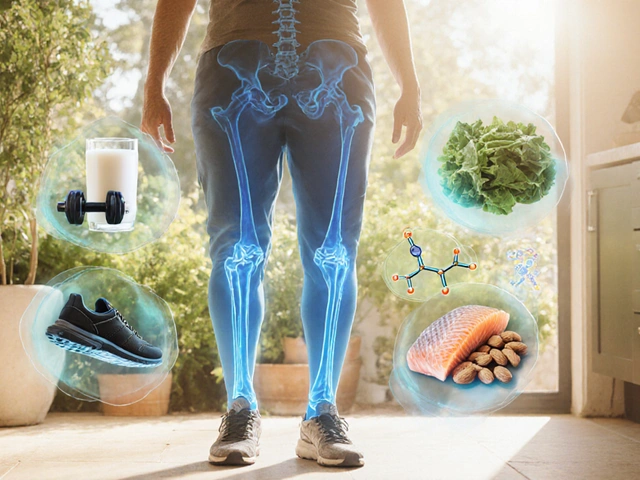
Store Pills Long Term: Safe Storage, Shelf Life, and What Happens When Medications Age
When you store pills long term, keeping medications beyond their immediate use window, often for months or years, you’re not just saving space—you’re risking safety. Many people keep leftover antibiotics, painkillers, or heart meds in bathroom cabinets, medicine chests, or drawers without thinking about heat, moisture, or light. But drug shelf life, how long a medication remains effective and safe after manufacture isn’t just a printed date—it’s a real window that closes faster than you think under bad conditions.
pill degradation, the chemical breakdown of active ingredients over time happens even in sealed bottles. Heat above 77°F, humidity from showers, and sunlight can turn a painkiller into a weak version of itself—or worse, create harmful byproducts. Studies show some antibiotics lose potency in just 3 months if stored in a steamy bathroom. Insulin, thyroid meds, and nitroglycerin are especially sensitive. Even if a pill looks fine, it might not work when you need it most. And if you’re storing meds for travel, emergencies, or chronic conditions, this isn’t a guess game. proper drug storage, keeping medications in cool, dry, dark places away from children and pets isn’t optional—it’s a health requirement.
People often assume expiration dates are just legal padding, but the FDA and pharmacists agree: after expiration, effectiveness drops, and risks rise. A 10-year-old antibiotic might not kill an infection. Old epinephrine auto-injectors can fail in an allergic emergency. Storing pills in a kitchen cabinet near the stove? Bad idea. A basement? Too damp. A drawer in your bedroom, away from windows and humidity? That’s better. Some meds, like liquid antibiotics or eye drops, should be tossed after a few weeks—even if the bottle says otherwise. And never store different pills together in one container. Mixing can cause chemical reactions, contamination, or confusion. Keep them in original bottles with labels intact. That’s not just for safety—it’s for traceability. If something goes wrong, you need to know exactly what you took, when, and why.
Below, you’ll find real guides on how to handle medications safely—from keeping them stable for years to knowing when to throw them out. You’ll learn how climate affects your pills, what to do with old prescriptions, and how to avoid the hidden dangers of improper storage. These aren’t theories. They’re lessons from pharmacists, emergency responders, and patients who’ve learned the hard way. Whether you’re stocking up for travel, managing a chronic condition, or just cleaning out your medicine cabinet, this collection gives you the facts you need to stay safe and save money.
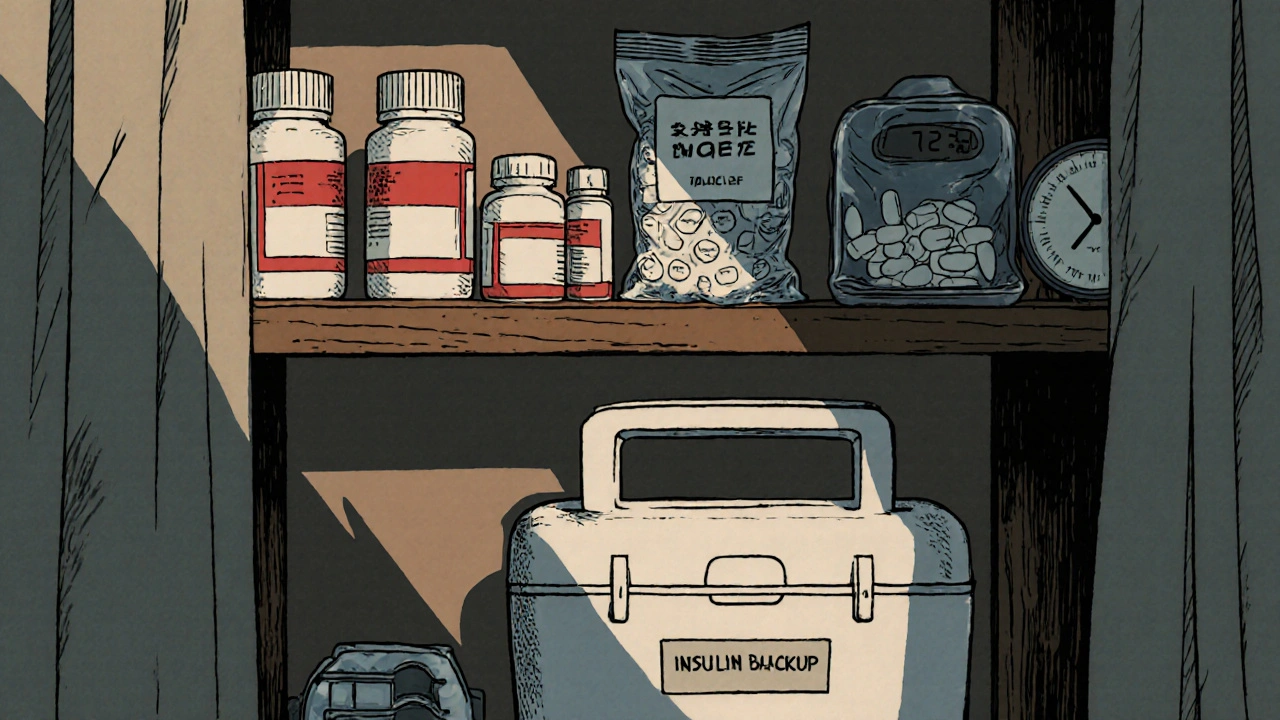
How to Store Emergency Kits to Maximize Medication Shelf Life
Learn how to store emergency medications properly to prevent spoilage and ensure they work when you need them most. Avoid common mistakes and use proven methods to extend shelf life during power outages and disasters.
DetailRelated Posts