Prescription Assistance: How to Get Affordable Medications and Avoid Hidden Costs
When you need a prescription drug, the price tag shouldn’t feel like a penalty. Prescription assistance, programs and resources designed to help people afford necessary medications. Also known as patient assistance programs, these services connect people with discounts, free drugs, or payment plans—especially when insurance doesn’t cover enough or won’t cover at all. Many people don’t realize these options exist until they’re stuck choosing between rent and refills. But you don’t have to be in crisis to qualify. Even if you have insurance, high deductibles, copays, or formulary restrictions can make your meds unaffordable. That’s where prescription assistance steps in.
Generic medications, chemically identical versions of brand-name drugs approved by the FDA. Also known as generic drugs, they’re often 80% cheaper than the brand version—without any drop in safety or effectiveness. The reason they cost less isn’t magic; it’s because they don’t need to repeat expensive clinical trials. The same active ingredient, same dosage, same side effects—but way less money. Yet, many patients still ask for the brand name because they don’t know the difference. Prescription assistance often includes guidance on switching to generics, or even helping you get them for free through manufacturer programs.
Then there’s drug costs, the total price you pay out-of-pocket for medications, including copays, coinsurance, and fees. These aren’t just about the pill price. Hidden fees from specialty pharmacies, mail-order delays, or mandatory step therapy can add up fast. Some patients pay hundreds extra each year just because they don’t know how to navigate the system. Prescription assistance isn’t just about coupons—it’s about understanding how the system works so you can avoid traps. For example, if your drug has a generic version but your doctor didn’t prescribe it, you can ask. If your insurance requires you to try a cheaper drug first, you can appeal. If you’re on a fixed income, you might qualify for state or nonprofit aid.
And let’s be real—some of the most common reasons people skip doses or split pills? Cost. A 2023 survey found nearly 1 in 4 Americans couldn’t afford their prescriptions. That’s not a personal failure. It’s a system failure. Prescription assistance exists to fix that gap. It’s not just for the uninsured. It’s for the person with a $2,000 deductible. For the senior on Social Security. For the parent choosing between insulin and groceries.
Below, you’ll find real-world guides on how to save money on meds without risking your health. Learn how to safely dispose of prescription bottles to protect your privacy, how to store emergency kits so pills last longer, and why some generics take years to hit shelves after a patent expires. You’ll see how herbal supplements like St. John’s Wort can interfere with your prescriptions, and how to spot counterfeit drugs that look real but could kill you. We cover everything from Medicare savings tricks to how EU citizens get cheaper meds across borders—and how to avoid getting arrested abroad for carrying your own pills.
These aren’t theoretical tips. They’re battle-tested strategies from people who’ve been there. You don’t need to be an expert to use them. You just need to know they exist—and where to look.
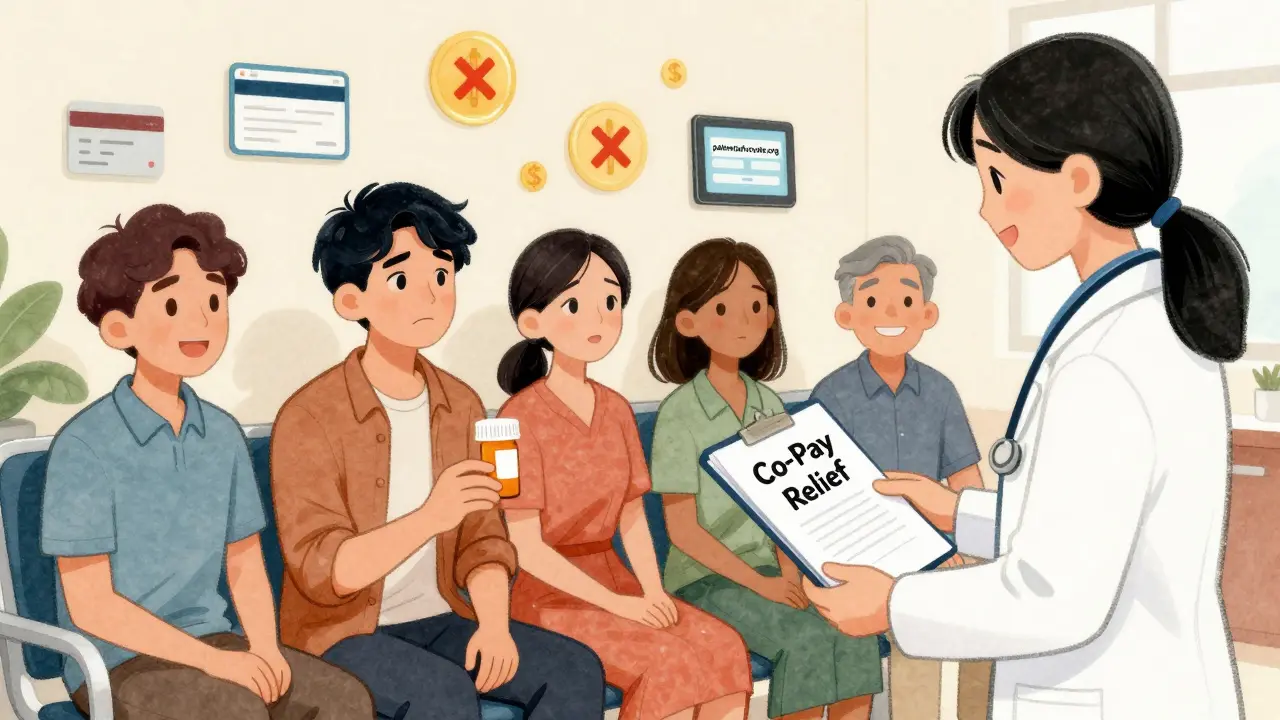
How to Use Patient Advocacy Foundations to Get Medication Grants
Learn how to get financial help for expensive medications through patient advocacy foundations. Step-by-step guide to applying for co-pay relief grants, eligibility rules, and tips to avoid common mistakes.
Detail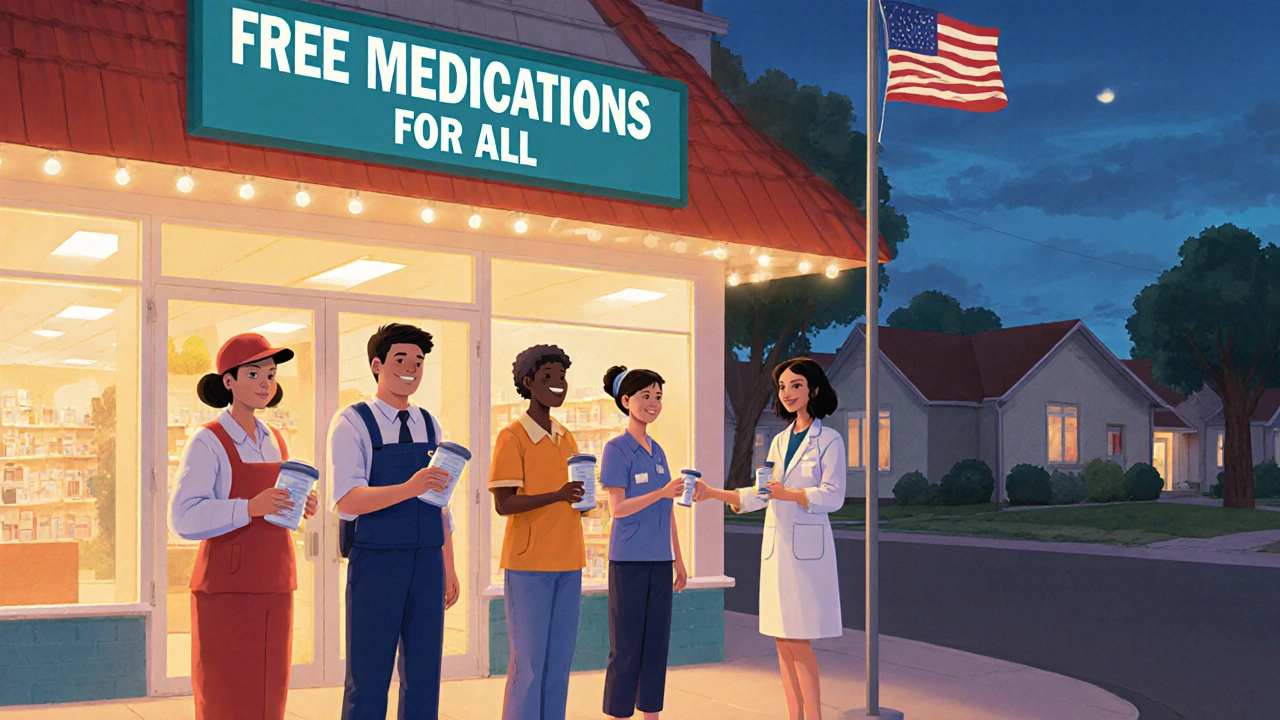
Where to Find Free or Low-Cost Medications at Community Clinics
Discover where to find free or low-cost medications at community clinics if you're uninsured or underinsured. Learn eligibility, how to apply, and which drugs are available - without insurance.
DetailRelated Posts