Pharmacokinetic Variability: Why Medications Work Differently in Everyone
When you take a pill, your body doesn’t just absorb it the same way everyone else does. This is where pharmacokinetic variability, the differences in how individuals absorb, distribute, metabolize, and eliminate drugs. It’s why one person feels relief from a standard dose of metformin while another gets sick, or why warfarin keeps someone in the safe zone while another needs half the amount to avoid bleeding. This isn’t about being "non-compliant" or "overreacting"—it’s biology. Your genes, your liver, your kidneys, even your gut bacteria shape how drugs move through you.
Drug metabolism, the process where enzymes break down medications in the liver is one of the biggest drivers of this variability. A common gene variant called CYP2D6 can make you a slow, normal, or ultra-rapid metabolizer. If you’re a slow metabolizer, drugs like codeine or SSRIs build up in your system and cause side effects. If you’re ultra-rapid, the drug vanishes before it can work. Bioavailability, how much of the drug actually reaches your bloodstream changes too. Food, stomach acidity, even how fast you move your bowels can cut a drug’s effect in half—or double it. That’s why some people need to take pills on an empty stomach, while others must eat with them.
Age matters. Kidneys slow down after 60, so drugs like metformin and SGLT2 inhibitors need lower doses in older adults. Pregnancy shifts how drugs are distributed, making some safe and others risky. Liver disease? That changes everything. Even something as simple as a thyroid condition can alter how fast your body processes meds. And don’t forget drug interactions—St. John’s Wort, for example, can slash the levels of birth control or transplant drugs by forcing your liver to break them down too fast.
This isn’t theoretical. It’s why generic drugs aren’t always interchangeable for NTI drugs like phenytoin or digoxin. The FDA requires tighter bioequivalence standards for these because even small differences in absorption can cause seizures or heart rhythm problems. It’s also why some people get away with cheap generics while others need brand-name versions—because their bodies handle them differently.
What you’ll find below are real-world stories and practical guides on how this variability plays out. From why your doctor adjusted your metformin dose after your eGFR dropped, to how cross-reactivity in drug families can force you to avoid entire classes of meds after a reaction. You’ll see how privacy matters when disposing of bottles with your prescription history, how emergency storage affects shelf life, and why some people can’t use certain drugs abroad—even if they’re legal at home. These aren’t isolated cases. They’re all connected to the same root: pharmacokinetic variability.
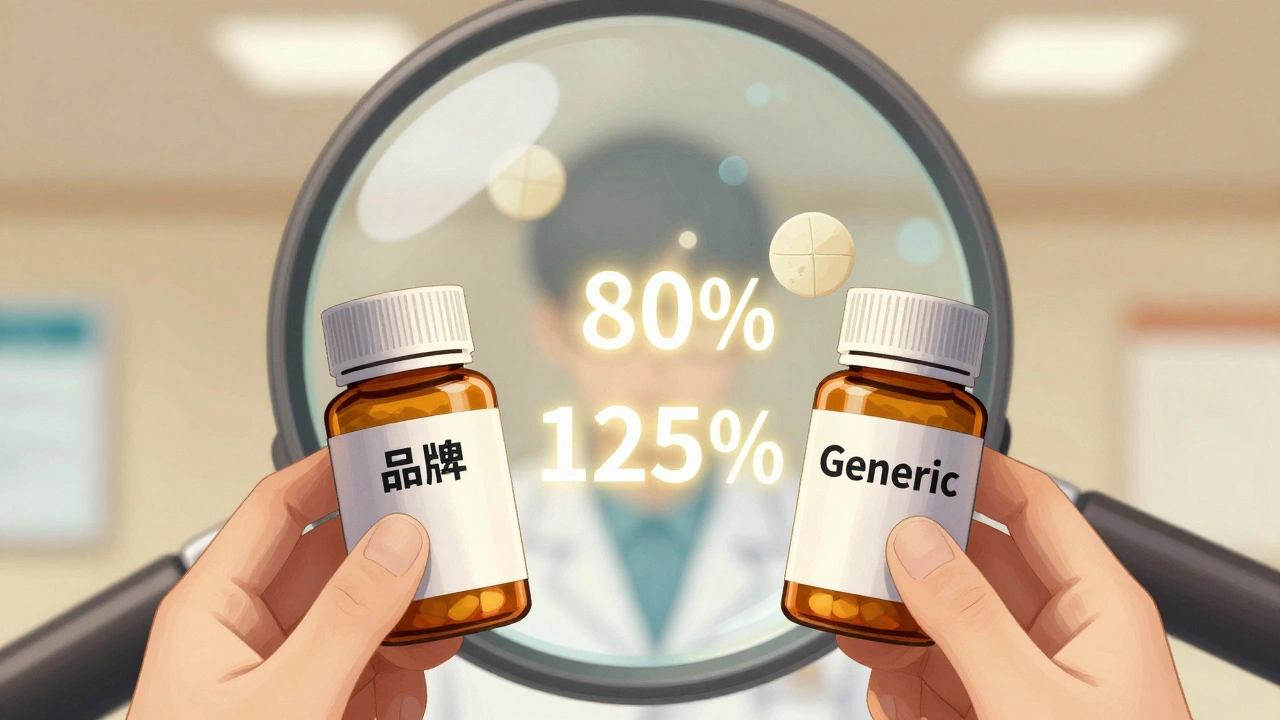
Batch Variability and Bioequivalence: What Acceptable Limits Really Mean for Generic Drugs
Batch variability can make or break generic drug safety. Learn how regulators are changing bioequivalence standards to ensure consistent, reliable generic medications-without compromising access or cost.
DetailRelated Posts