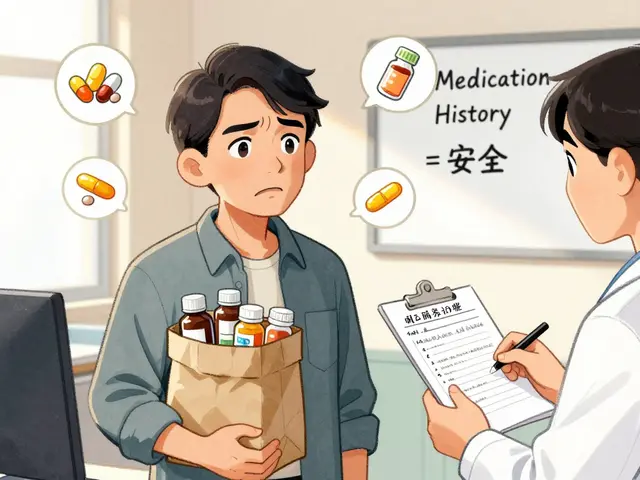
Medication Counseling: What It Is and Why It Matters for Your Safety
When you pick up a prescription, medication counseling, a direct conversation between you and a pharmacist about how to use your drugs safely and effectively. Also known as drug therapy management, it’s not just a formality—it’s your best defense against mistakes that can land you in the hospital. Most people think their doctor handles everything, but pharmacists are the ones who spot the hidden risks: that new antibiotic clashing with your blood pressure pill, or your herbal supplement canceling out your birth control. This isn’t guesswork—it’s science backed by real cases where people got sick because no one checked the full list of what they were taking.
Medication counseling connects directly to drug interactions, when two or more medications affect each other’s performance in your body. It’s why you need to know if St. John’s Wort can make your antidepressant useless or if a generic version of warfarin might need closer monitoring. It ties into generic drugs, medications that work the same as brand names but can vary slightly in inactive ingredients that sometimes trigger reactions. And it’s the reason you should ask about adverse drug reactions, unexpected side effects that aren’t listed on the label because they’re rare or delayed—like fatigue from metformin, joint pain from an immune reaction, or vision loss from chloroquine. These aren’t abstract risks. They’re daily realities for people who never got a chance to talk through their meds.
What you’ll find below isn’t a list of generic advice. These are real stories from people who learned the hard way: why switching to a generic caused strange symptoms, how a missed interaction led to a hospital visit, or why kidney function changes mean your diabetes meds need a reset. You’ll see how batch variability affects your pills, how to check for clashes at home, and when to push back when your insurance denies a needed drug. This is the kind of info no one gives you unless you ask—and now, you have it all in one place.

Language Access for Medication Counseling: What You Need to Know About Interpreter Rights
Language access laws now require pharmacies to provide professional interpreters for medication counseling. Learn your rights, what pharmacies must offer, and how this saves lives by preventing dangerous medication errors.
DetailRelated Posts