Generic Drug Approval: What It Takes to Get a Generic Drug on the Shelf
When you hear generic drug approval, the process the FDA uses to verify that a generic version of a brand-name drug is safe and works the same way. Also known as ANDA approval, it's not just about copying a pill—it's about proving it behaves exactly like the original in your body. This isn’t guesswork. The FDA doesn’t let just any company slap a cheaper label on a drug and call it good. They demand proof—hard data—that the generic version delivers the same amount of active ingredient, at the same speed, and with the same effect as the brand-name version.
That’s where bioequivalence, the scientific standard that shows a generic drug performs identically to the brand in the bloodstream. Also known as drug absorption rate, it’s the core of every approval. For most drugs, the generic must release the medicine within 90% to 110% of the brand’s rate. But for NTI drugs, narrow therapeutic index medications like warfarin, lithium, or phenytoin where tiny differences can cause serious harm. Also known as critical dose drugs, they require even tighter controls. These aren’t just any generics—they need replicate studies, stricter manufacturing rules, and sometimes even extra testing to prove they won’t put patients at risk.
So why do some generics take years to show up after a patent expires? It’s not because the science is slow—it’s because of legal tricks. Companies hold onto patents with minor changes, file lawsuits to delay competitors, or buy up smaller manufacturers to block entry. This is called a patent thicket, a web of overlapping patents used to block generic competition. Also known as evergreening, it keeps prices high even after the original patent ends. The Hatch-Waxman Act was meant to speed this up, but loopholes still slow things down. That’s why your favorite drug might still cost $200 a month even though it’s been off-patent for five years.
What you’re really buying when you pick a generic isn’t just a cheaper price—it’s the same active ingredient, the same clinical outcomes, and the same FDA oversight. The only difference? No marketing budget. No expensive clinical trials. No brand name. Just science, verified by regulators, and delivered at a fraction of the cost. And if you’re on a medication like metformin, warfarin, or SGLT2 inhibitors, you’re already benefiting from this system every time you refill your prescription.
Below, you’ll find real-world breakdowns of how generic approvals work, what gets blocked, who benefits, and how to spot the difference between a truly equivalent generic and a risky knockoff. Whether you’re saving money, managing a chronic condition, or just trying to understand why your pill looks different this month, these posts cut through the noise and give you the facts you need.
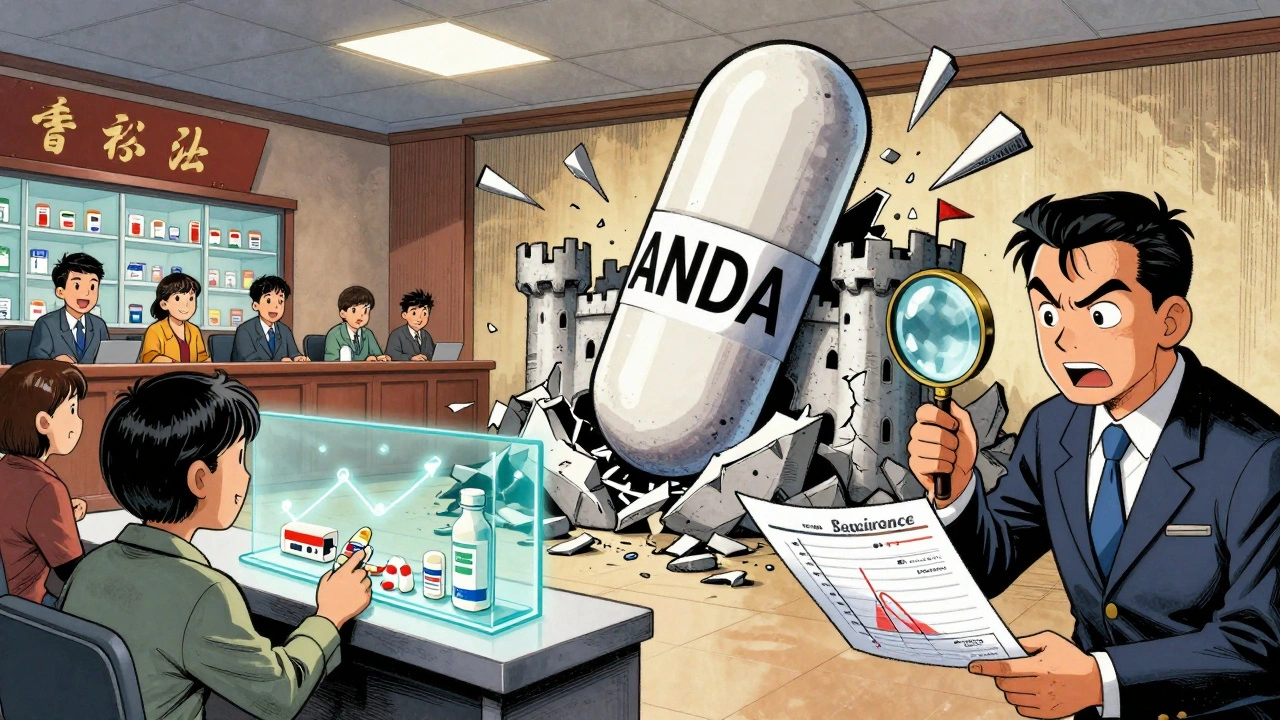
FDA Authorization of Generics: Legal Basis and Approval Process
The FDA approves generic drugs through the Hatch-Waxman Act's ANDA pathway, ensuring they match brand-name drugs in safety, strength, and effectiveness. Over 90% of U.S. prescriptions are for generics, saving billions annually.
DetailRelated Posts