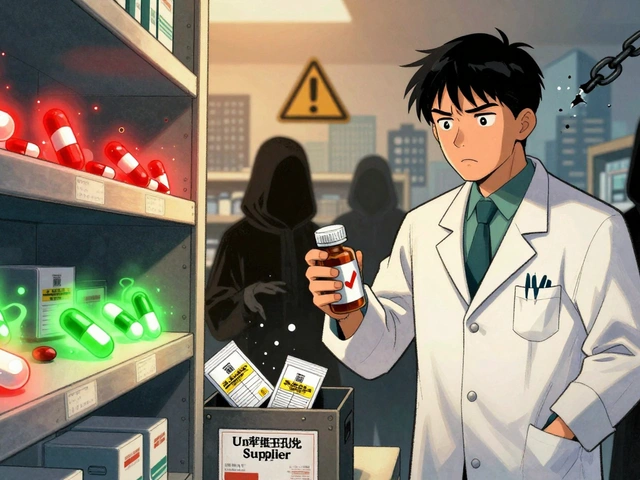
Batch Variability in Medications: Why Your Generic Pill Might Act Differently
When you pick up a generic drug, you expect it to work just like the brand-name version—and for the most part, it does. But batch variability, the small but real differences in how a drug performs from one production batch to another is something most patients never hear about. Even though generics must meet strict FDA standards, no two batches are perfectly identical. This isn’t a flaw—it’s physics. Ingredients mix differently. Coatings dry at slightly different rates. Even the humidity in the factory floor can nudge the final product just enough to change how fast it dissolves in your stomach. These tiny shifts don’t make the drug unsafe, but they can affect how quickly it enters your bloodstream—and for some people, that matters a lot.
That’s why bioequivalence, the scientific measure proving a generic matches the brand in how it’s absorbed and used by the body is so critical. The FDA requires most generics to show they deliver the same amount of active ingredient within a 90–111% range compared to the brand. But for narrow therapeutic index (NTI) drugs, medications where even small changes can cause serious side effects or treatment failure—like warfarin, phenytoin, or levothyroxine—the rules get tighter. Some batches of these drugs undergo extra testing, sometimes even replicate studies, just to make sure switching between generics won’t throw your treatment off track. If you’re on one of these drugs and notice your symptoms changing after a refill, it might not be your condition—it could be a new batch.
It’s not just about science. FDA approval, the process that lets generic drugs enter the market under the Hatch-Waxman Act is designed to balance speed, cost, and safety. But approval doesn’t mean every batch is identical forever. Manufacturers can change suppliers, equipment, or formulas as long as they stay within the FDA’s allowed margins. That’s why some patients report different side effects or effectiveness when they refill at a different pharmacy or even at the same pharmacy months later. It’s not your imagination. It’s batch variability.
You won’t find this on the pill bottle. But if you’re managing a chronic condition—diabetes, heart disease, epilepsy, or thyroid issues—knowing that batch variability exists gives you power. Track how you feel after each refill. Talk to your pharmacist if something feels off. Ask if your prescription was switched to a different generic manufacturer. And remember: just because a drug is generic doesn’t mean it’s interchangeable without consequences. The system works for most people most of the time. But for those who need precision, understanding this hidden variable can make all the difference.
Below, you’ll find real-world guides on how generics are approved, why some drugs have stricter rules, how to spot if a change in your medication is affecting you, and what to do when your insurance switches your pill without telling you. These aren’t theoretical discussions—they’re the practical checks and balances that keep you safe when you’re counting on your meds to work, every time.
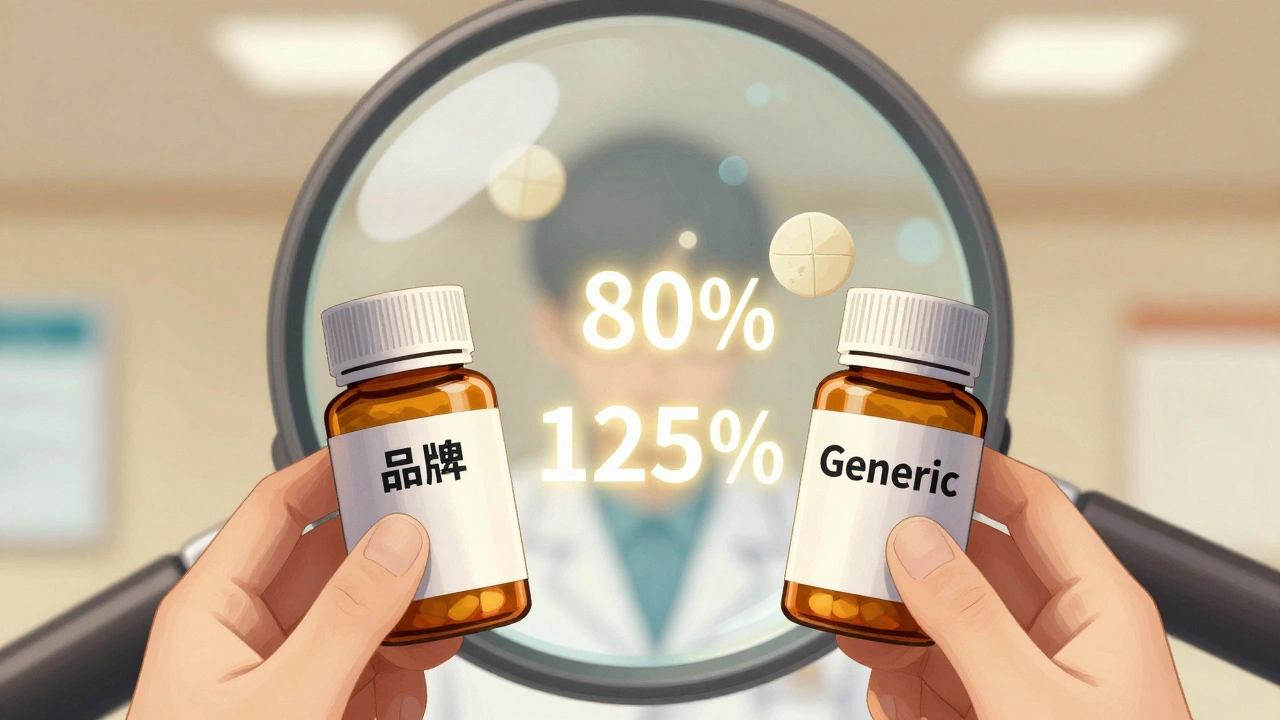
Batch Variability and Bioequivalence: What Acceptable Limits Really Mean for Generic Drugs
Batch variability can make or break generic drug safety. Learn how regulators are changing bioequivalence standards to ensure consistent, reliable generic medications-without compromising access or cost.
DetailRelated Posts