Adverse Drug Reaction: What It Is, How It Happens, and How to Stay Safe
When your body reacts badly to a medicine you took on purpose, that’s an adverse drug reaction, an unintended and harmful response to a medication taken at normal doses. Also known as ADR, it’s not just a minor upset stomach—it can mean hospitalization, permanent damage, or even death. This isn’t rare. Over 2 million serious adverse drug reactions happen in the U.S. every year, and nearly 100,000 of them are fatal. Most people think side effects are just part of taking pills, but an adverse drug reaction is different. It’s not predictable, it’s not listed as a common side effect, and it often hits people who followed every rule.
These reactions don’t always come from brand-name drugs. generic drugs, medications that are chemically identical to brand-name versions but sold under their active ingredient name, are just as likely to cause them. That’s because the issue isn’t always the drug itself—it’s how your body handles it. Your liver, kidneys, genetics, age, or other meds you’re taking can turn a safe drug into a dangerous one. That’s why drug interactions, when two or more medications change how each other works in your body are such a big deal. A common painkiller like ibuprofen might be fine alone, but with blood thinners or kidney meds? That’s when things go wrong. And it’s not just prescriptions. herbal supplements, natural products people think are harmless because they’re "natural" like St. John’s Wort can knock out the effect of birth control, antidepressants, or even transplant drugs.
Some reactions show up fast—rash, swelling, trouble breathing. Others sneak in over weeks: fatigue that won’t quit, joint pain you didn’t have before, or weird changes in your mood. That’s why tracking your meds matters. If you start feeling off after a new pill, don’t assume it’s just stress or aging. Write down what you took, when, and how you felt. Bring that list to your pharmacist—they’re trained to spot patterns doctors miss. And don’t forget: batch variability in generics, while tightly regulated, can still cause differences in how your body responds. That’s why sticking to one manufacturer matters if you’ve had a bad reaction before.
What you’ll find below isn’t just a list of articles. It’s a practical toolkit. From how to check for hidden drug interactions at home, to why some generics cause unexpected reactions, to how kidney function changes your risk—every post here is built to help you spot danger before it hits. No fluff. No jargon. Just what you need to take control of your medication safety.
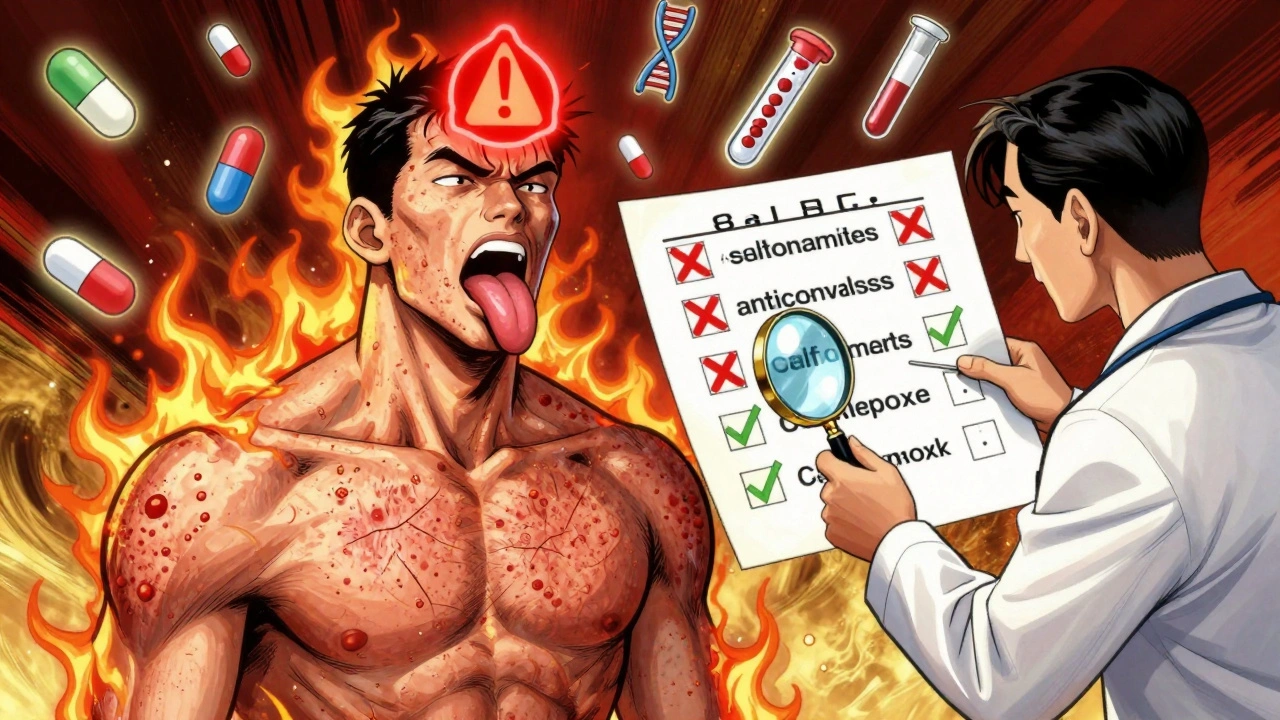
When to Avoid a Medication Family After a Severe Drug Reaction
After a severe drug reaction, you may need to avoid an entire medication family-but not always. Learn when cross-reactivity is real, when it’s a myth, and how to get tested to avoid unnecessary restrictions.
DetailRelated Posts