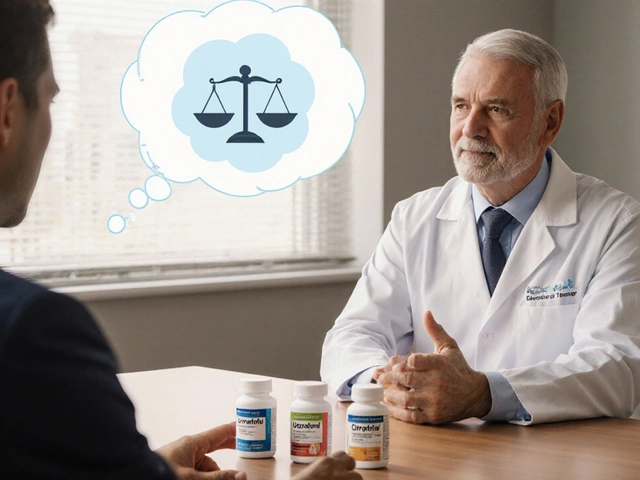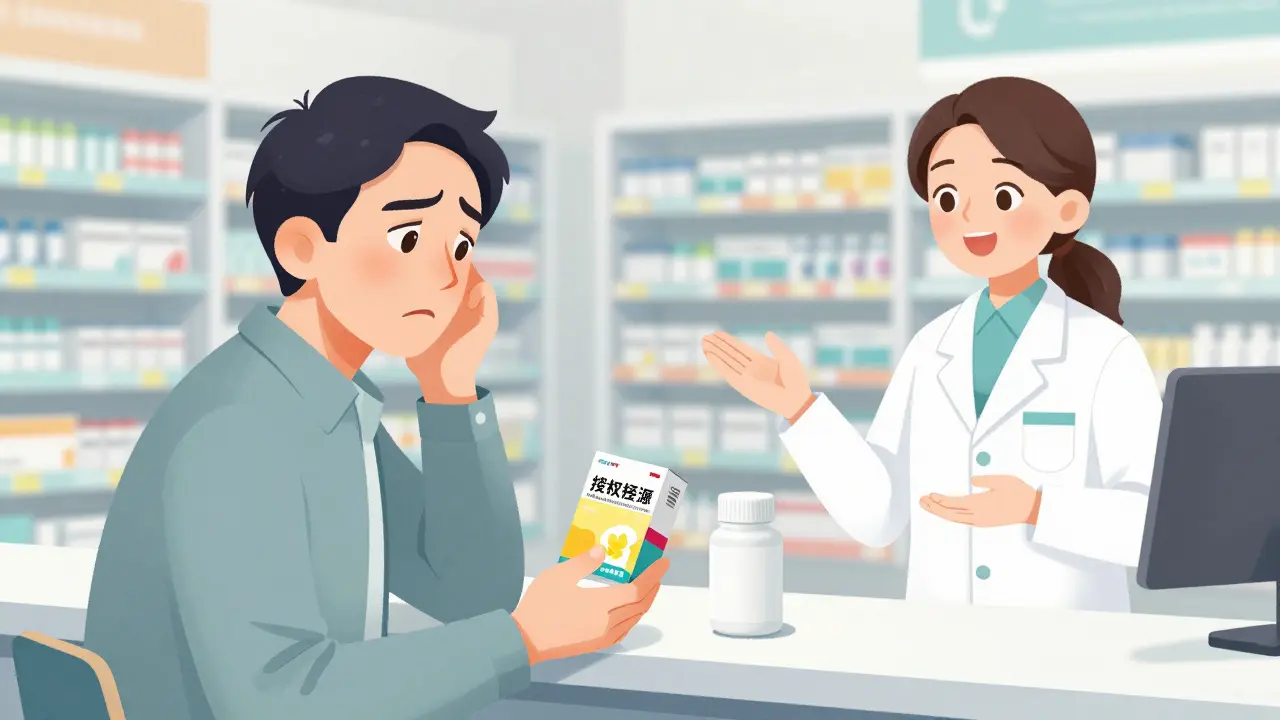
You've probably been at the pharmacy counter and had the pharmacist ask if you're okay with a generic version of your prescription. Most of the time, we just say "yes" to save a few bucks. But there is a specific type of generic called an authorized generic that often confuses people. Is it just another generic, or is it something more? If you're worried that a cheaper version of your medicine won't work as well as the name brand, you're not alone. The short answer is: yes, they are equivalent, but the way they get approved is very different from the generics you usually see.
What exactly is an authorized generic?
To put it simply, Authorized Generics is a brand-name drug that is marketed without the brand name on its label, produced by the original manufacturer or under their permission. Imagine a company makes a famous medication. They sell it in a fancy box with a brand name for a high price. Then, they take that exact same pill, put it in a plain white bottle, and sell it for less. That is an authorized generic.
This is different from a "typical" generic. A typical generic is made by a completely different company that had to prove to the government that their version works the same way as the original. An authorized generic, however, is the original product itself. It has the same active ingredients, the same fillers, and is made in the same factory using the same quality controls. Because of this, they are considered therapeutically equivalent-meaning they do the exact same thing in your body.
The technical side: Why they aren't in the "Orange Book"
If you're a pharmacy pro or a curious patient, you might have heard of the Orange Book, which is the FDA's official list of approved drug products with therapeutic equivalence evaluations. Here is a weird quirk: authorized generics aren't actually listed there.
Why? Because of how they are approved. Typical generics go through an ANDA (Abbreviated New Drug Application). Since authorized generics are just the brand-name drug without the label, they are approved under the original NDA (New Drug Application). In the eyes of the FDA, there's no need to "prove" equivalence because the product is identical to the one already approved.
| Feature | Brand Name | Authorized Generic | Typical Generic |
|---|---|---|---|
| Manufacturer | Original Company | Original Company (or authorized) | Third-party Company |
| Active Ingredients | Identical | Identical | Identical |
| Inactive Ingredients | Standard | Identical to Brand | May vary (fillers, dyes) |
| Approval Path | NDA | NDA | ANDA |
| Cost | Highest | Mid-to-Low | Lowest |
Does the "inactive ingredient" thing actually matter?
A common concern for patients is the use of different fillers or dyes in typical generics. For most people, this doesn't matter. However, for some medications-like certain birth control pills or drugs with a Narrow Therapeutic Index, which are drugs where a tiny change in dose can lead to a big change in effect-some doctors and patients prefer authorized generics. Since the inactive ingredients are identical to the brand, there's zero risk of a reaction to a different filler.
That said, the FDA is very strict. Even typical generics must be bioequivalent. A large study found that the difference in absorption between a brand and a typical generic is usually around 3.5%, which is well within the safe range. So, while authorized generics provide a "perfect match," typical generics are still very safe and effective for the vast majority of people.
What does the real-world data say?
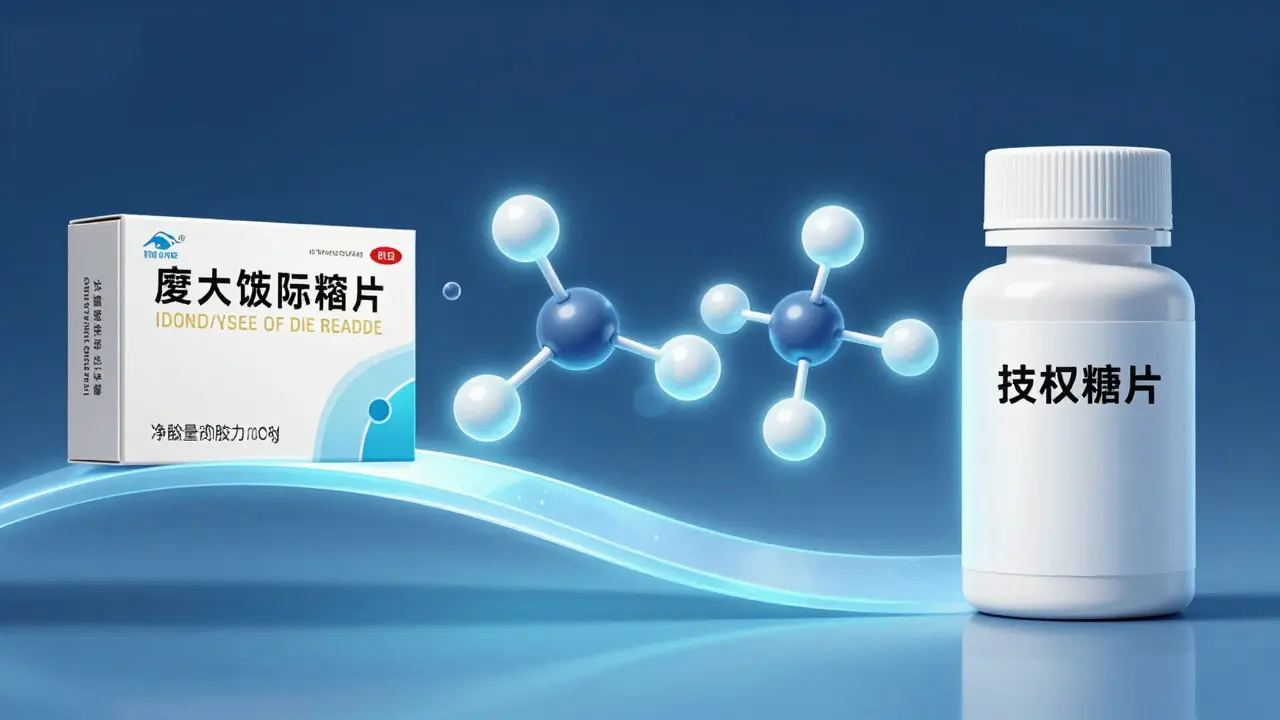
If you're wondering if switching to an authorized generic actually changes your health outcomes, the data is reassuring. A retrospective cohort study followed over 5,000 patients who switched from brand-name drugs to generics. The researchers looked at things like hospital visits and whether people stopped taking their meds.
The result? Patients using authorized generics and those using typical generics had almost identical experiences. There was no significant difference in the rate of urgent care visits or medication discontinuation. Essentially, the study found that generics are clinically "no worse" than the brand version. Whether you get the authorized version or the typical one, your body generally responds the same way.
Navigating the pharmacy: What to look for
When you pick up your prescription, you might notice that the pill looks slightly different or has a different NDC (National Drug Code). This is normal. Because of trademark laws, a generic cannot look exactly like a brand-name pill (like the exact same shape and color combination), even if it's an authorized generic made by the same company.
If you have a specific medical reason why you need the exact formulation of the brand-such as a known allergy to a specific dye used in typical generics-you should tell your pharmacist. They can check if an authorized generic is available. Just keep in mind that insurance companies might treat them differently; some may prefer a typical generic because it's the cheapest option, while others may cover the authorized version.

The business side: Why do brands do this?
You might wonder why a company would sell its own drug for less money. It's usually a strategic move. When a patent expires, other companies rush in with typical generics. By releasing an authorized generic, the original company can keep a slice of that generic market share and maintain a relationship with patients who want the "brand quality" but can't afford the "brand price."
Some critics argue this is a way to delay other generics from entering the market, but for the patient, it simply means there's one more affordable option on the shelf that is guaranteed to be identical to the original.
Are authorized generics safer than regular generics?
Not necessarily "safer," but they are identical. Both are held to the same strict FDA standards for purity and quality. The only real difference is that authorized generics have the exact same inactive ingredients as the brand, whereas regular generics might use different fillers.
Why is an authorized generic more expensive than a typical generic?
Because the brand-name company often sets a price that is lower than the brand but slightly higher than the competition to reflect the "guarantee" that it is the original formulation.
Can my doctor request an authorized generic specifically?
Yes, your doctor can specify that they want an authorized generic or "Dispense as Written" (DAW) for the brand, although insurance may require you to try the cheapest generic first.
Will my insurance cover an authorized generic?
Most insurance plans cover them, but since they have a different NDC code than typical generics, you should check with your provider to see if it's on their preferred formulary.
How do I know if I'm taking an authorized generic?
The easiest way is to ask your pharmacist. Because the packaging doesn't have the brand name, it looks like a regular generic, but the pharmacy's internal system knows which manufacturer produced it.
Next Steps and Tips
If you are transitioning from a brand-name drug to a generic and feel nervous, try these steps:
- Ask for the NDC: If you want to be 100% sure, ask your pharmacist for the National Drug Code and check if it aligns with the authorized generic manufacturer.
- Monitor your response: Keep a simple log of how you feel for the first two weeks after switching. This helps you and your doctor determine if the switch was successful.
- Check your formulary: Look at your insurance company's "preferred drug list" to see if they prefer typical generics or authorized ones.
- Discuss fillers: If you have sensitive allergies, specifically ask about the "inactive ingredients" of the generic being offered.