Medication Family Avoidance: Know Which Drugs to Skip and Why
When you hear medication family avoidance, the practice of steering clear of entire classes of drugs due to safety risks, side effects, or dangerous interactions. Also known as drug class avoidance, it’s not about being paranoid—it’s about staying alive. Some drug families are risky for specific people, and switching within them can be like swapping one bomb for another. Think of it like this: if you’re allergic to penicillin, you don’t just avoid amoxicillin—you avoid the whole penicillin family. Same logic applies to many other drug groups.
One major reason to avoid entire medication families is narrow therapeutic index, drugs where even tiny changes in dose or blood level can cause serious harm or death. This includes blood thinners like warfarin, seizure meds like phenytoin, and heart drugs like digoxin. The FDA treats these differently because a generic version that’s 90% effective might still be too weak—or too strong—for you. Even small batch variability in these drugs can lead to hospitalization. That’s why drug interactions, when one medication changes how another works in your body. Also known as medication conflicts, they’re not just a footnote—they’re a red flag matter so much. St. John’s Wort, for example, can tank the effect of birth control, antidepressants, or transplant meds. It’s not just about mixing pills—it’s about what your body does with them.
And then there’s the quiet danger: generic drugs, medications approved as equivalent to brand-name versions but sometimes differing in inactive ingredients or absorption rates. Also known as bioequivalent drugs, they save money—but not always safety. For most people, generics work fine. But if you’re on a drug with a narrow therapeutic index, or if you’ve had bad reactions before, switching to a different generic batch might throw off your whole system. That’s why some patients stick with the same brand, even if it costs more. It’s not stubbornness—it’s control.
Medication family avoidance isn’t about fear. It’s about awareness. It’s knowing that if one drug in a family gave you a rash, a spike in blood pressure, or a crash in energy, others in that group might do the same. It’s understanding that your kidney function changes how metformin or SGLT2 inhibitors behave. It’s realizing that what’s safe for your neighbor might be dangerous for you because of your age, your other meds, or your immune system. This collection of articles gives you the facts you need to spot risky patterns, ask the right questions, and make smarter choices. You’ll learn how to check for hidden interactions, why some generics aren’t as interchangeable as they seem, and what to do when your doctor says, "It’s the same drug." It’s not the same. Not always. And now you know why.
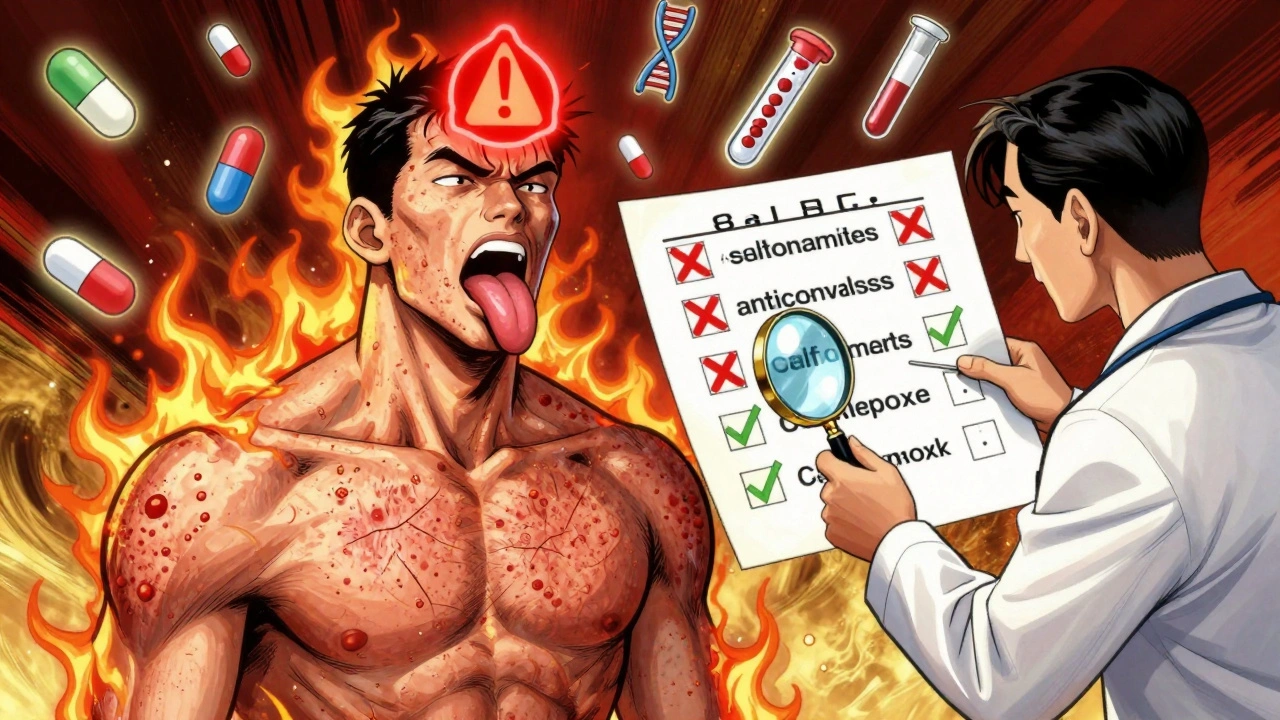
When to Avoid a Medication Family After a Severe Drug Reaction
After a severe drug reaction, you may need to avoid an entire medication family-but not always. Learn when cross-reactivity is real, when it’s a myth, and how to get tested to avoid unnecessary restrictions.
DetailRelated Posts