
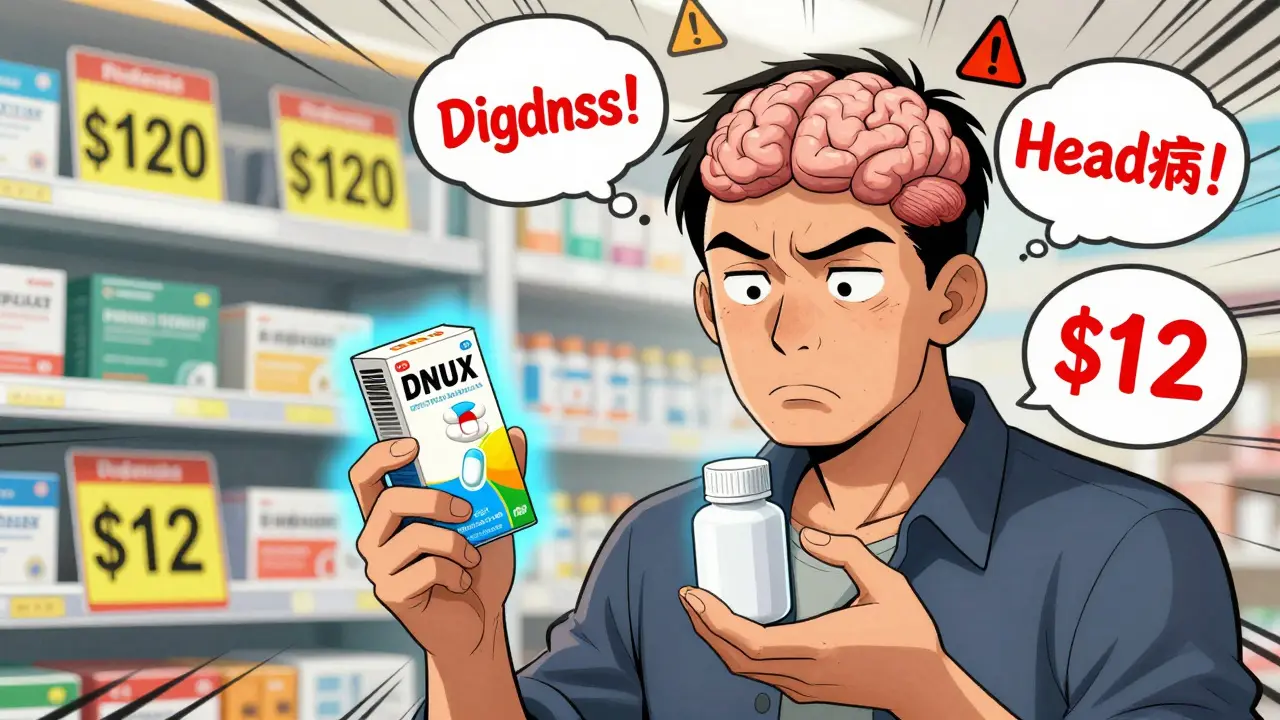
It’s 2026. You’ve been on blood pressure medication for years. Your doctor switches you to the generic version. Same pill, same dose, same active ingredient. But within days, you start feeling dizzy. Your headache returns. You swear the generic isn’t working like the brand did. You’re not imagining it. You’re not crazy. And you’re not alone.
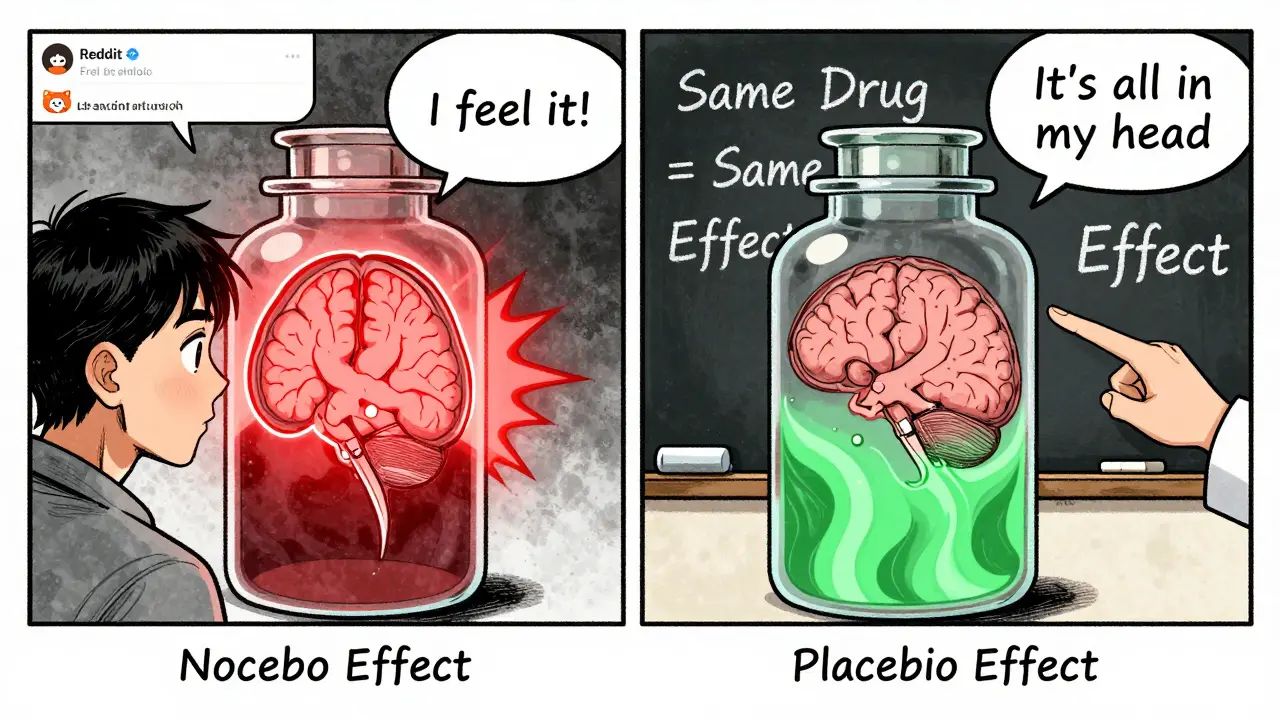
Here’s the truth: generic drugs are chemically identical to their brand-name counterparts. The FDA requires them to deliver the same amount of active ingredient into your bloodstream within the same timeframe. But your brain doesn’t care about bioequivalence studies. It cares about price, packaging, and perception. And that’s where the placebo effect turns into a nocebo effect - when your mind convinces you something is going to hurt you, even if it’s harmless.
How a Fake Pill Can Work Better Than Real Medicine
In 2014, researchers at the University of Auckland ran a simple but startling experiment. They gave 87 students with frequent headaches fake pills - nothing but sugar and filler. But they labeled them differently. Some were labeled with a well-known brand name. Others were labeled "generic." The students didn’t know they were getting placebos. They thought they were taking real painkillers.
The results? The brand-labeled placebos reduced pain by 2.3 points on a 10-point scale. That’s almost as good as real ibuprofen. The generic-labeled placebos? Only 1.1 points. Same pill. Different label. Different results.
This isn’t magic. It’s psychology. Your brain has learned that expensive things work better. A 2014 study at the University of Cincinnati showed Parkinson’s patients given a $1,500 placebo injection improved 28% more than those given a $100 version - even though both were saline solutions. fMRI scans showed their brains released 53% more dopamine when they thought they’d paid more. Your brain literally rewires itself based on price.
Why Generics Feel Like They Don’t Work - Even When They Do
It’s not just about price. It’s about trust. Brand names have ads, logos, and decades of marketing. You’ve seen the commercials. You’ve heard your doctor say "this one works best." Generics? They come in plain white bottles. No name you recognize. Sometimes the pill looks different - smaller, odd color, weird shape.
A 2014 meta-analysis in JAMA Internal Medicine looked at 12 statin trials. Patients taking identical placebo pills were told they were either a brand-name drug or a generic. The brand-labeled group reported 6.3% muscle pain. The generic-labeled group? 13.2%. That’s more than double. No drug. Just labeling. Your mind starts scanning for side effects - and finds them.
That’s the nocebo effect in action. It’s the dark twin of the placebo effect. Instead of expecting relief, you expect failure. And your body responds. A 2017 study of 38,000 Medicare patients found those on generic medications had 12-15% higher hospitalization rates - not because the drugs were worse, but because they were more likely to stop taking them.
Real Stories: What Patients Are Saying
On Reddit’s r/pharmacy, a user named u/MedStudent2025 wrote: "Switched from brand Nexium to generic. My GERD symptoms came back. My doctor said it’s probably nocebo. But I still feel it."
Another patient on Drugs.com said: "I’ve been on generic antidepressants for two years. My anxiety didn’t get worse - but I thought it would. I kept checking my mood every hour, waiting for the crash. It never came. Turns out, I just needed to stop worrying."
A 2022 survey of over 8,000 people found 67% said generics worked just as well. But that number jumped to 82% when doctors explained the science. That’s the key. Knowledge changes perception.
Conditions Where Perception Matters Most
Not all drugs are affected equally. If you’re treating a bacterial infection with antibiotics, your body’s immune response does most of the work. Placebo effects here are tiny.
But for conditions where your brain is deeply involved - pain, depression, anxiety, migraines - the placebo effect is huge. In fact, up to 30% of improvement in antidepressant trials comes from expectation alone.
A 2013 Lancet Psychiatry review found antidepressant trials with generic labeling had 11% lower response rates than brand-labeled ones. Migraine studies showed brand-labeled placebos reduced pain by 41%, while generic-labeled ones only cut it by 22%. That’s not a drug difference. That’s a belief difference.
The Cost of Belief
Here’s the ugly truth: the placebo effect with generics isn’t just a psychological quirk. It’s costing the U.S. healthcare system over $1.2 billion a year. That’s how much extra is spent on brand-name drugs because people think generics don’t work.
And it’s not just money. It’s health. When people stop taking their meds because they "feel like" the generic isn’t working, they risk strokes, seizures, heart attacks. A 2021 Epilepsy Foundation survey found 39% of patients reported more seizures after switching to generic - but EEGs showed no actual change. Their brains had convinced them something was wrong.
Meanwhile, generics save patients an average of $312 a year. For people on fixed incomes, that’s rent. That’s groceries. That’s insulin.
What Doctors Can Do - And What You Can Do Too
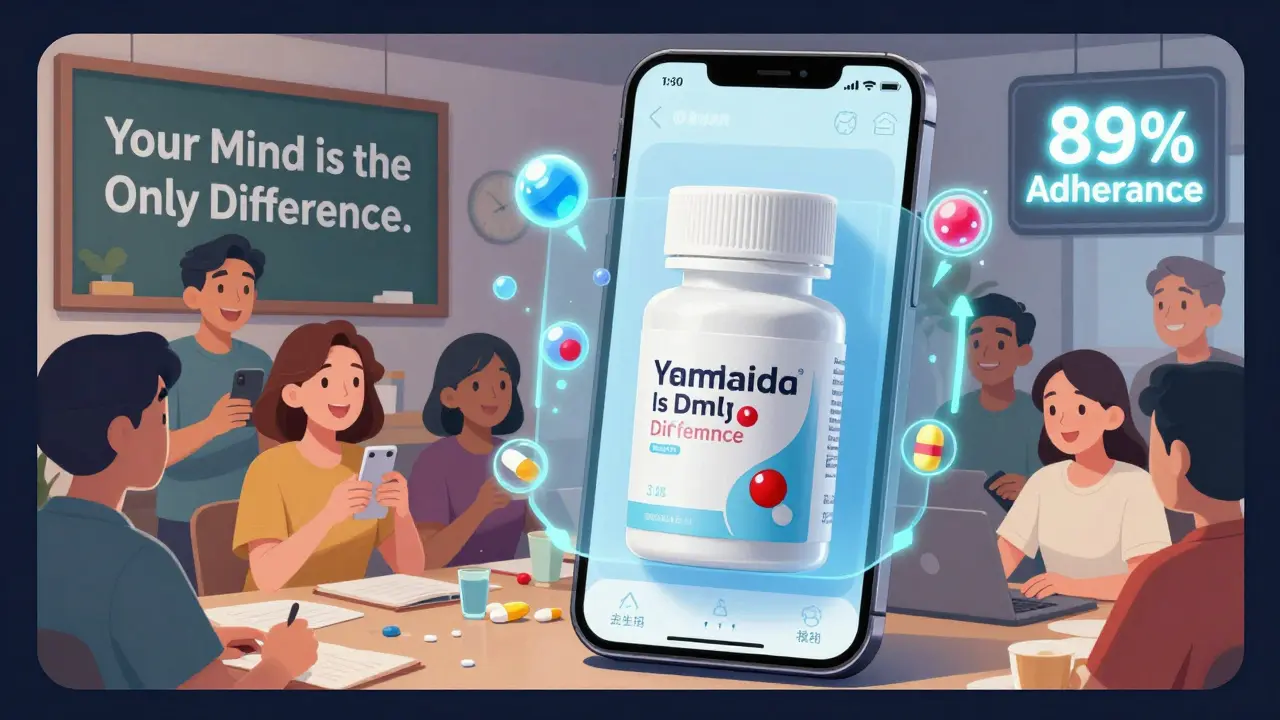
One study at the University of Chicago found that just seven minutes of explaining bioequivalence - "This generic has the same active ingredient, same dose, same effect" - raised patient acceptance from 58% to 89%. Six months later, 72% of those patients were still taking it. In the control group? Only 44%.
Doctors who used "positive generic messaging" - "This version works exactly the same, but saves you money" - saw 85% adherence. Those who just said "It’s generic" got 63%.
You don’t need a medical degree to use this. If you’re switching to a generic:
- Ask your pharmacist: "Is this the same as the brand?" They’ll say yes.
- Look up the active ingredient. Compare the labels. They’ll match.
- Give it two weeks. Your body needs time to adjust - not because the drug changed, but because your brain did.
- Don’t Google side effects. That’s how the nocebo effect starts.
The Future: Packaging, Apps, and Trust
Companies are starting to get it. In 2023, a University of Wisconsin trial tested "premium" generic packaging - same pill, but sleeker bottle, color-matched to the brand. Nocebo complaints dropped 37%. Patients didn’t know it was still generic. They just felt better.
The FDA is now backing a "Generic Confidence" app that uses augmented reality to show you side-by-side comparisons of brand and generic pills, proving they’re identical. Beta testers had 29% higher adherence.
And in January 2024, Dr. Kate Faasse’s team launched a $2.1 million NIH study using blockchain to verify generic manufacturing quality - not for regulators, but for patients. Imagine scanning a pill with your phone and seeing its entire production history. That’s trust built into the package.
Bottom Line: The Drug Is Fine. Your Mind Isn’t.
Generics aren’t inferior. They’re not cheaper because they’re worse. They’re cheaper because they don’t need ads, sales teams, or patent lawyers. The science is clear. The data is solid. The FDA, WHO, and every major medical group agree: generics work.
But your brain? It’s still wired to think expensive = better. And that’s the real barrier.
If you’ve ever said, "I just feel like the generic doesn’t work," you’re not broken. You’re human. The solution isn’t to ignore your feelings. It’s to reframe them. The pill is the same. The relief can be too - if you let it.
Do generic drugs have the same active ingredients as brand-name drugs?
Yes. By law, generic drugs must contain the same active ingredient, in the same strength, and work the same way as the brand-name version. The FDA requires them to be bioequivalent - meaning they deliver the same amount of medicine into your bloodstream at the same speed. The only differences are in inactive ingredients like fillers or dyes, which don’t affect how the drug works.
Why do some people say generic drugs don’t work for them?
It’s usually the nocebo effect - when expecting a drug to fail makes you feel like it is. Studies show people report more side effects and less effectiveness with generics, even when the pills are identical to brand-name versions. Packaging, price, and past experiences shape these beliefs. In one study, patients taking a placebo labeled as "generic" reported twice as many side effects as those taking the exact same placebo labeled as a brand-name drug.
Can the placebo effect actually improve how a drug works?
Yes. Placebo effects are real and measurable. In pain, depression, and anxiety, expectation alone can trigger brain changes that mimic drug effects. For example, brand-labeled placebos have been shown to reduce pain as much as real ibuprofen in some studies. Your brain releases natural painkillers like endorphins when you believe you’re getting effective treatment - even if it’s just a sugar pill.
Are generics less safe than brand-name drugs?
No. Generics are held to the same safety and manufacturing standards as brand-name drugs. The FDA inspects generic factories just as rigorously. In fact, many brand-name companies make their own generics under different labels. The only real safety concern is if you have a rare allergy to an inactive ingredient - but that’s equally possible with either version.
How can I stop feeling like my generic medication isn’t working?
Start by understanding the science. Ask your doctor or pharmacist to explain bioequivalence. Give the drug at least two weeks - your body needs time to adjust to the change in packaging and expectation. Avoid searching for side effects online. And if you’re still unsure, ask if you can try the brand again - but only after you’ve given the generic a fair shot. Often, the difference you feel is psychological, not physical.



matthew runcie
March 20, 2026 AT 12:47Same drug. Different label. Same life.