Drug-Induced Lupus (DIL) Symptom & Risk Checker
1. Select Your Medication
2. Check Symptoms
Analysis Result
Next Step Suggestion: Discuss the Anti-Histone Antibody Test and ANA test with your physician to differentiate from chronic SLE.
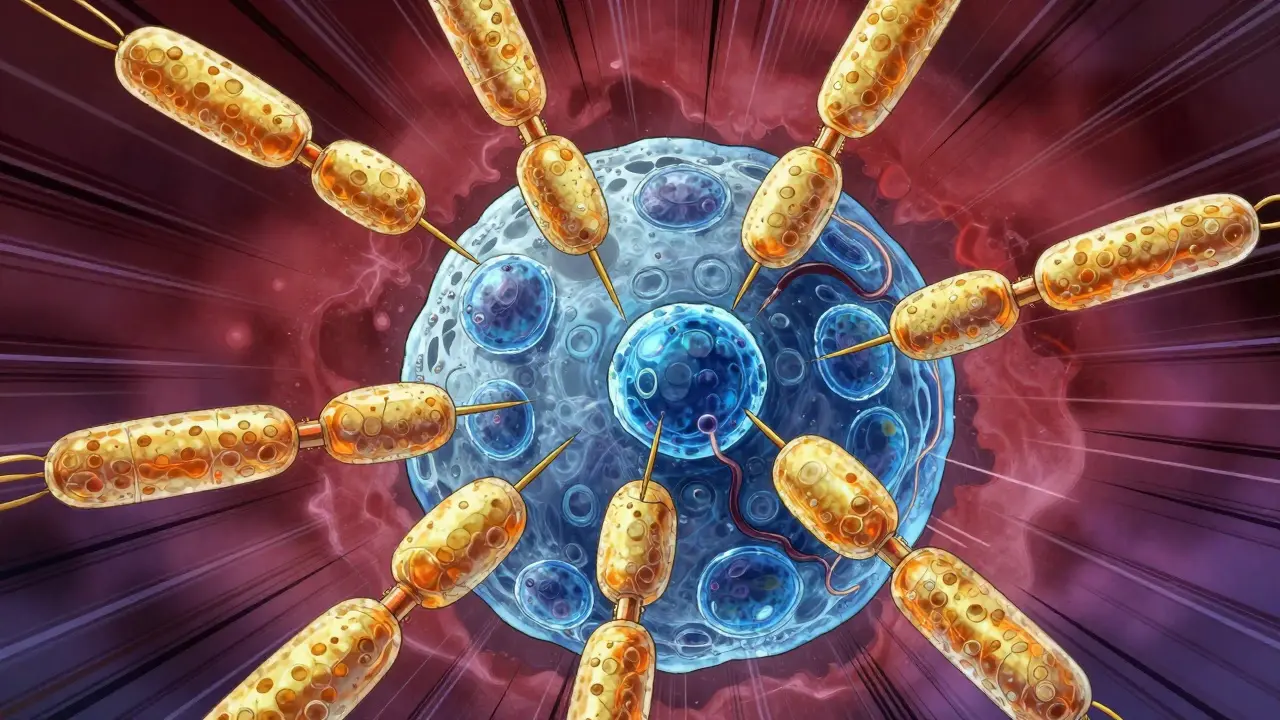
The core problem is that certain drugs trick your body into producing antibodies that attack its own cells. For most, this means a few months of feeling miserable, followed by a full recovery. However, because the symptoms mimic other serious diseases, many people spend months wandering from doctor to doctor before getting the right answer. The goal here is to help you spot the red flags, understand the tests, and navigate the path back to health.
Key Takeaways for Quick Reference
- It is reversible: Most cases resolve completely within weeks or months of stopping the drug.
- Different from SLE: It rarely attacks major organs like the kidneys or brain.
- The Trigger: It typically appears 3 to 24 months after starting a high-risk medication.
- The Marker: Anti-histone antibodies are the primary diagnostic clue.
Spotting the Warning Signs
When you have drug-induced lupus, your body isn't just having a mild allergic reaction; it's launching a full-scale internal attack. But it doesn't hit every part of the body with the same intensity as idiopathic Systemic Lupus Erythematosus (SLE). Instead, it tends to focus on the "soft tissues."
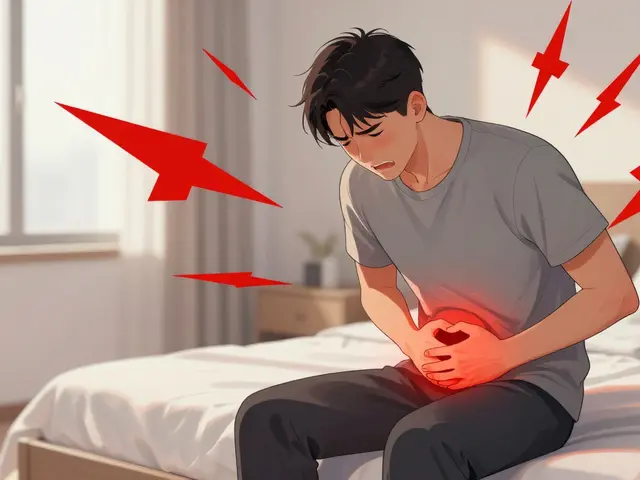
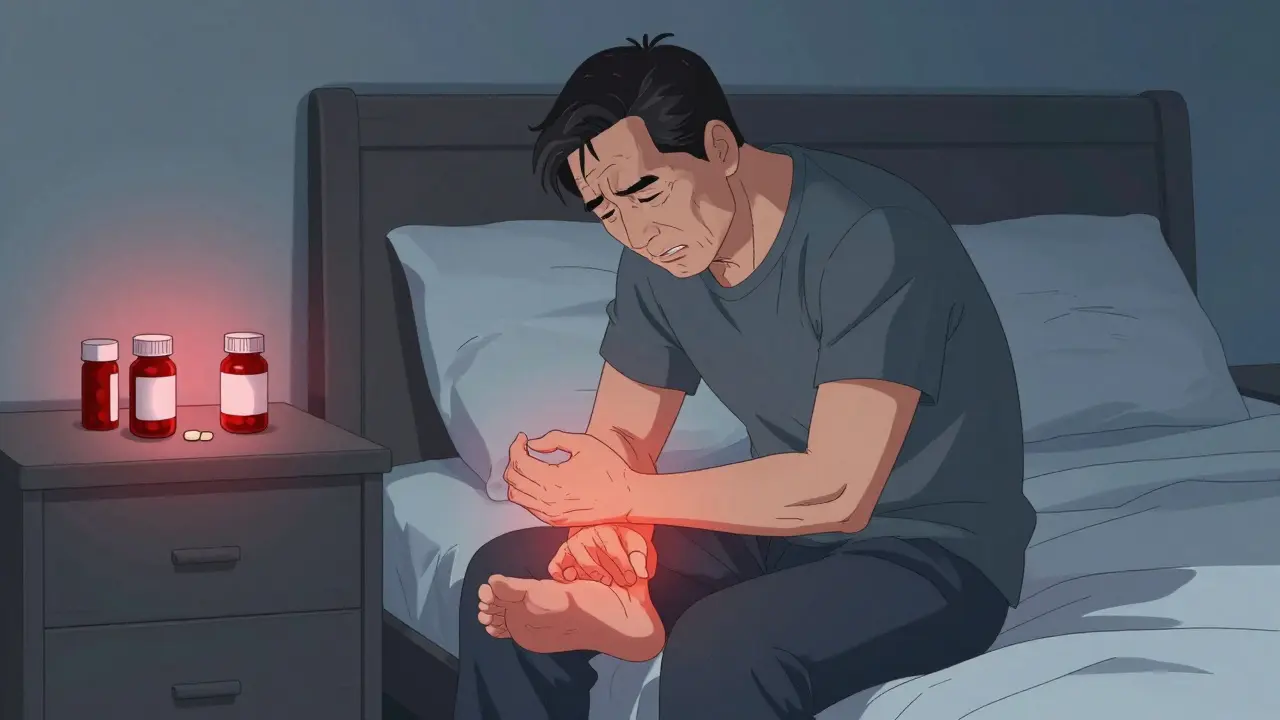
The most common red flags include muscle pain (seen in up to 85% of cases) and joint swelling. You might feel an overwhelming sense of fatigue that doesn't go away with sleep, or run a low-grade fever. Some people experience serositis, which is just a medical way of saying the lining around your lungs (pleuritis) or heart (pericarditis) is inflamed. This can make breathing feel shallow or cause a sharp pain in the chest.
One way to tell this apart from classic lupus is the skin. While a "butterfly rash" across the cheeks is a hallmark of SLE, it's actually quite rare in drug-induced cases, appearing in only about 10-15% of patients. If you're feeling like you have the flu for three months straight while taking a new medication, it's time to call your doctor.
Which Medications Trigger This Reaction?
Not all drugs carry the same risk. Historically, the biggest culprits were medications used for heart issues. Procainamide, used for heart rhythm, has one of the highest risk rates, with up to 30% of long-term users developing symptoms. Hydralazine, often used for high blood pressure, is another frequent trigger.
However, the landscape is shifting. We are seeing more cases linked to modern biologics, specifically TNF-alpha inhibitors. Since 2015, these have become a significant source of new cases. Even some acne medications, like minocycline, can trigger this response. In recent years, cancer patients using immune checkpoint inhibitors like pembrolizumab have also shown similar autoimmune reactions.
| Medication | Typical Use | Estimated Risk/Incidence |
|---|---|---|
| Procainamide | Heart Arrhythmia | Up to 30% (Long-term use) |
| Hydralazine | Hypertension | 5-10% |
| TNF-alpha inhibitors | Autoimmune/Inflammatory | 1-3% |
| Minocycline | Acne/Infection | 1-3% |
| Pembrolizumab | Cancer Therapy | 1.5-2.0% |
How Doctors Diagnose the Condition
Getting a diagnosis often feels like a detective game. The first clue isn't usually a blood test; it's your medication history. Your doctor will look for a "temporal relationship"-basically, did the symptoms start after you began a specific drug? Usually, this happens between 3 and 24 months into treatment.
Once they suspect DIL, they'll run a battery of blood tests. Nearly 95% of patients will test positive for Antinuclear Antibodies (ANA). However, ANA is common in many diseases. The "smoking gun" is usually the anti-histone antibody test, which is positive in 75-90% of DIL cases. If you have anti-histone antibodies but lack anti-dsDNA antibodies (which are common in SLE), the odds strongly point toward a drug-induced cause.
Inflammation markers like the erythrocyte sedimentation rate (ESR) and C-reactive protein (CRP) are often high, confirming that your body is in an inflammatory state. In some regions, doctors are now using NAT2 genotyping. This is a genetic test that identifies "slow acetylators"-people whose bodies process drugs like hydralazine slowly-making them nearly five times more likely to develop this condition.
The Path to Recovery
The good news is that the primary treatment for drug-induced lupus is simple: stop taking the drug. Once the offending medication is out of your system, the trigger is gone, and your immune system usually stops attacking your tissues. For about 80% of people, symptoms improve significantly within just four weeks. By the twelve-week mark, 95% of patients see a resolution.
Of course, you can't always just stop a medication, especially if it's for a critical heart condition. This is where your doctor's expertise comes in. They will transition you to a safer alternative. For example, someone reacting to procainamide might switch to amiodarone, which has a tiny risk (0.1-0.3%) of causing lupus-like symptoms.
If the symptoms are stubborn, your doctor might suggest a short-term bridge to help you feel better while the drug clears:
- NSAIDs: Effective for 60-70% of mild cases to manage joint pain.
- Low-dose Corticosteroids: 5-10 mg of prednisone for a few weeks can resolve moderate inflammation in up to 90% of cases.
- Immunosuppressants: In very rare, severe cases, drugs like methotrexate might be used, though this is uncommon since DIL rarely attacks major organs.

Avoiding the Misdiagnosis Trap
One of the biggest frustrations for patients is the "diagnostic gap." On average, it takes nearly five months for a patient to be correctly diagnosed with DIL. Many are initially told they have fibromyalgia or chronic fatigue syndrome because the fatigue and muscle aches are so non-specific.
The danger of misdiagnosis is that you might be put on lifelong immunosuppressive therapy meant for chronic SLE. This is unnecessary for DIL. If you are over 50 and develop joint pain while on a high-risk med, push for the anti-histone antibody test. It is the fastest way to differentiate a temporary medication reaction from a lifelong autoimmune disease.
Will I ever get classic lupus (SLE) after having drug-induced lupus?
It is very unlikely. Drug-induced lupus is a separate clinical entity. In the vast majority of cases, once the medication is stopped, the condition resolves completely and does not evolve into systemic lupus erythematosus.
How long does it take for the symptoms to disappear?
Most people feel a significant improvement within 4 weeks of stopping the drug. However, full resolution can take anywhere from a few weeks to several months, depending on how long you were taking the medication and your individual metabolism.
Can I take the medication again if I need it?
Generally, no. Once you have developed drug-induced lupus to a specific medication, your body has a "memory" of that reaction. Taking the same drug again would likely trigger the symptoms much faster and potentially more severely.
Does this condition damage my kidneys or brain?
Rarely. One of the biggest differences between DIL and SLE is that DIL typically spares major organs. Renal (kidney) disease occurs in fewer than 5% of cases, and central nervous system involvement is found in less than 3% of patients.
What should I do if my doctor doesn't suspect DIL?
If you are taking a known high-risk medication and have joint pain or fever, ask your doctor specifically about "drug-induced lupus" and request an anti-histone antibody test. Providing a clear timeline of when you started the medication and when symptoms began can help them make the connection faster.
Next Steps and Troubleshooting
If you've just been diagnosed, the most important step is a coordinated transition. Do not stop high-risk heart or cancer medications abruptly on your own, as this can cause dangerous withdrawal symptoms or a relapse of the primary condition. Work with your specialist to taper off the drug while starting a replacement.
For those who have stopped the medication but still feel "off," keep a symptom diary. Note if the joint pain is decreasing even if the fatigue remains. This helps your doctor decide if you need a short course of steroids or if you're simply in the normal, slower phase of recovery. If you experience new, severe symptoms like decreased urine output or sudden confusion, seek immediate care, as this could indicate the rare onset of organ involvement.