
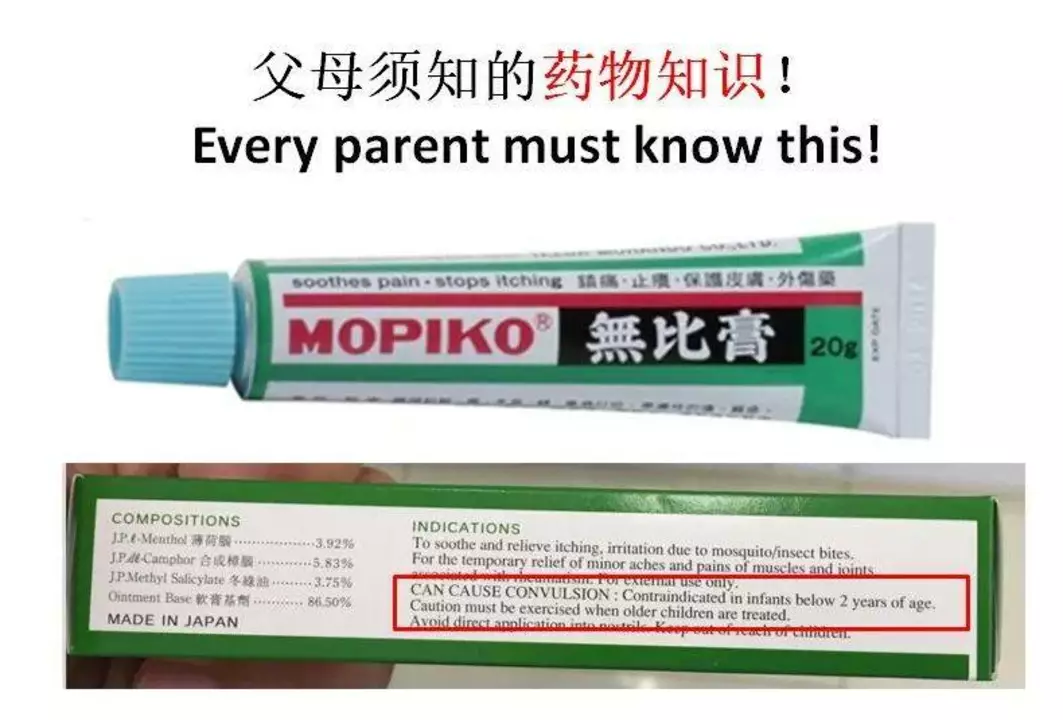
Understanding Insect Bites and Anal Itching in Children
As a parent, it can be quite alarming to see your child experience discomfort and irritation due to insect bites. In this article, we will explore the relationship between insect bites and anal itching and irritation in children. Many factors can cause anal itching and irritation in children, but one possible culprit could be certain insect bites. Let's dive into this topic to help you better understand the issue and find ways to help your child find relief.
Common Insects That Cause Anal Itching and Irritation
Many insects can bite or sting, causing a variety of reactions in children. However, some insects are more likely to cause anal itching and irritation in children. These insects include:
- Pinworms: These small, white worms can lay their eggs in the anal area, causing intense itching and irritation.
- Mosquitoes: Mosquitoes can bite any area of the body, including the anal region, causing itching and irritation.
- Ants: Some species of ants can bite or sting, which can cause itching and irritation in the anal area.
It's essential to identify the insect causing the reaction to treat it effectively and prevent future incidents.
Signs and Symptoms of Insect Bites and Anal Itching
When an insect bites a child, it can cause several symptoms, including:
- Redness and swelling at the bite site
- Itching and irritation in the area
- Pain or burning sensation
- Scratching, leading to skin damage and potential infection
Anal itching and irritation can be particularly distressing for a child, as they may feel embarrassed or uncomfortable discussing the issue. It's crucial to keep an open line of communication with your child and encourage them to let you know if they are experiencing discomfort.
Preventing Insect Bites and Anal Itching in Children
Prevention is always better than cure, and there are several steps you can take to minimize the risk of insect bites and the resulting anal itching and irritation in children:
- Use insect repellent: Apply a child-safe insect repellent to your child's skin and clothing to deter insects from biting.
- Wear appropriate clothing: Encourage your child to wear long pants and sleeves when playing outside, especially in areas where insects are prevalent.
- Keep living spaces clean: Regularly clean your home to reduce the risk of insect infestations, particularly in the bedroom and play areas.
- Practice good hygiene: Encourage your child to wash their hands regularly and keep their nails short to prevent the spread of infection and minimize scratching.
By taking these preventative measures, you can help reduce the risk of insect bites and the associated anal itching and irritation in your child.
Treating Insect Bites and Anal Itching in Children
If your child has been bitten by an insect and is experiencing anal itching and irritation, there are several treatment options available:
- Over-the-counter creams and ointments: Apply a topical cream or ointment specifically designed to treat insect bites, such as hydrocortisone or calamine lotion, to soothe itching and irritation.
- Oral antihistamines: Give your child an age-appropriate dose of an oral antihistamine to help reduce itching and inflammation.
- Ice packs or cold compresses: Apply a cold compress or ice pack to the affected area to help reduce swelling and numb the skin, providing temporary relief from itching and irritation.
- Keep the area clean and dry: Gently clean the area with soap and water and keep it dry to prevent infection and further irritation.
Consult your child's pediatrician if the symptoms persist or worsen, as they may need to prescribe a stronger treatment or investigate other potential causes of the itching and irritation.
When to Seek Medical Help for Insect Bites and Anal Itching
While most insect bites and cases of anal itching can be treated at home, there are situations where you should seek medical help for your child:
- Severe swelling, pain, or redness at the bite site
- Difficulty breathing or swallowing, indicating a potential allergic reaction
- Signs of infection, such as pus, increased redness, or fever
- Persistent or worsening symptoms that do not improve with over-the-counter treatments
It's essential to seek medical help promptly if your child is experiencing any of the above symptoms, as they may require further treatment or intervention.
Conclusion
Insect bites can be a common cause of anal itching and irritation in children, but with proper prevention and treatment, you can help your child find relief and prevent future incidents. Keep an open line of communication with your child and encourage them to let you know if they are experiencing discomfort. By understanding the various insects that can cause these issues and taking the necessary precautions, you can protect your child's health and well-being.



Sai Ahmed
May 15, 2023 AT 11:22Albert Schueller
May 15, 2023 AT 20:56Ted Carr
May 17, 2023 AT 20:08Rebecca Parkos
May 18, 2023 AT 09:02Bradley Mulliner
May 19, 2023 AT 01:55Rahul hossain
May 20, 2023 AT 04:59Reginald Maarten
May 21, 2023 AT 07:52