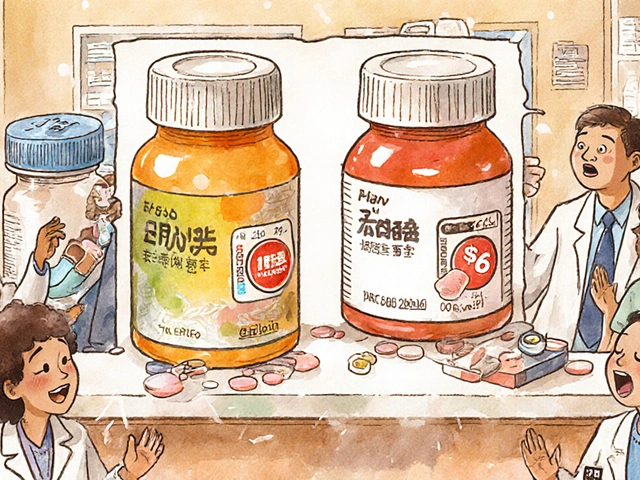
Imagine waking up every morning and staring at a plastic organizer filled with a dozen different pills. For many seniors, this isn't a hypothetical-it's a daily chore. This overwhelming number of daily doses is what healthcare providers call pill burden is the total number of medications a person must take daily to manage their health. When the list of pills grows too long, it's easy to miss a dose or get confused about which pill does what. This is where combination medications come in, offering a way to trim down that mountain of tablets into something manageable.
What Exactly Are Combination Medications?
You might hear your doctor or pharmacist use a few different terms for this. They might call them Fixed-Dose Combinations (FDCs), Single-Pill Combinations (SPCs), or Single-Tablet Combination Therapies (STCTs). Essentially, these are medications that pack two or more active ingredients into one single tablet. Instead of taking one pill for your blood pressure and another for your cholesterol, you take one pill that does both.
This isn't just about convenience. The goal is to boost medication adherence, which is just a fancy way of saying "actually taking your medicine the way you're supposed to." When a regimen is simpler, people are much more likely to stick to it. In fact, a meta-analysis in the American Journal of Medicine found that noncompliance dropped by 26% when patients switched to fixed-dose combinations for conditions like hypertension and HIV.
Why Reducing Pill Count Matters for Your Health
Why does the number of pills really matter? It's not just about the annoyance of swallowing a lot of tablets. The more pills you take, the higher the risk of polypharmacy-a situation where a person is taking so many drugs that the medications start interacting with each other in unpredictable ways. For seniors, this can lead to dizziness, confusion, or unexpected side effects.
By switching to a combination pill, you reduce the cognitive effort required to manage your health. You don't have to remember if you took the "blue one" or the "small white one." You just remember the one combination pill. This simplicity often leads to better clinical results. For example, people using single-pill combinations for high blood pressure often see a more significant drop in systolic blood pressure compared to those taking the same ingredients as separate pills.
| Feature | Single-Pill Combinations (SPCs) | Separate (Loose-Dose) Pills |
|---|---|---|
| Ease of Use | High - Fewer tablets to track | Lower - Requires more organization |
| Adherence Rate | Generally Higher | Variable - Easier to miss a dose |
| Dose Flexibility | Lower - Fixed ratios of ingredients | Higher - Each dose can be adjusted |
| Cost Impact | Often reduces co-pays and effort | Can be more expensive to manage |

Common Uses for Combination Pills
Combination medications are most common in areas where long-term, consistent control is vital. If you miss a dose of a blood pressure pill, you might not feel it immediately, but over time, that inconsistency increases your risk of a stroke or heart attack.
- Heart Health: This is the biggest area for SPCs. Many people take a combination of an ACE inhibitor and a diuretic in one pill to manage hypertension.
- Diabetes Management: Some patients take combination pills that address both blood sugar levels and weight management.
- Chronic Infections: In treating HIV or tuberculosis, combination therapy is the gold standard because it prevents the virus or bacteria from developing resistance to a single drug.
- Respiratory Care: People with asthma or COPD often use combination inhalers that provide both a bronchodilator and a steroid.
The Trade-offs: Is a Combination Pill Right for Everyone?
While reducing the pill count sounds like a win, it's not always the best path. The biggest downside is a lack of flexibility. If you are taking two separate pills and one is causing a side effect, your doctor can simply stop that one medication. If those two drugs are combined into one pill, you have to stop both, even if one of them is working perfectly for you.
There is also the risk of over-treatment. Because these pills come in set doses, you might end up taking more of one ingredient than you actually need just to get the correct dose of the second ingredient. This is why it's crucial to have a professional review your needs. You shouldn't just ask for a combination pill because it's easier; you need to ensure the specific ratio of ingredients matches your body's requirements.

How to Talk to Your Doctor About Simplifying Your Meds
Getting your pill burden reduced usually starts with a medication review. This isn't just a quick glance at your list; it's a deep dive into what you're taking and why. Here is a practical way to approach this with your healthcare team:
- Create a Master List: List every prescription, over-the-counter supplement, and vitamin you take. Include the dose and why you take it.
- Identify the Struggle: Be honest. Tell your doctor if you've been skipping doses because the schedule is too complex or if you're struggling with side effects.
- Ask the "Combination" Question: Specifically ask, "Are any of these medications available as a single-pill combination?"
- Consult Your Pharmacist: Pharmacists are often the most knowledgeable about which brands offer combinations and whether a generic equivalent exists.
Your pharmacist can help you monitor for adverse effects during the transition. They can also help you weigh the cost versus convenience. For instance, while some combination pills are cheaper, others might have a higher co-pay than the separate generics. It's a balancing act between your budget and your quality of life.
The Future of Pill Reduction: Polypills and Beyond
We are moving toward an era of even greater simplification. Researchers are currently developing "polypills"-tablets that combine three or more medications. Imagine one pill that manages your blood pressure, lowers your cholesterol, and prevents blood clots all at once. While these are still being refined in clinical trials, the trend is clear: the medical community wants to move away from complex regimens and toward patient-centered simplicity.
In the meantime, combination medications are a powerful tool for anyone feeling weighed down by their medicine cabinet. By shifting the focus from "more pills" to "smarter pills," we can improve not just how people take their medicine, but how they feel every day.
Will switching to a combination pill change how my medication works?
Generally, no. Single-pill combinations are designed to be bioequivalent to taking the medications separately. This means they provide the same therapeutic effect and efficacy. However, because the dosing is fixed, your doctor will ensure the specific combination is appropriate for your current health status.
Are combination medications more expensive?
It varies. In some cases, a single combination pill can be more cost-effective than paying for multiple separate prescriptions. However, some newer branded combinations may have higher co-pays than older, separate generic versions. Your pharmacist can provide a cost comparison based on your specific insurance plan.
What happens if I have an allergic reaction to one part of a combination pill?
This is one of the primary risks of combination therapy. If you react to one ingredient, you must stop the entire pill, meaning you also stop the other medication that was working. This is why doctors usually start patients on separate pills first to ensure they tolerate each drug individually before switching to a combination.
Can I just split a combination pill in half to lower the dose?
No, you should never split a combination pill unless specifically told to do so by a doctor. Many combination medications use special extended-release coatings or precise layering. Breaking the pill can destroy this mechanism, causing the medication to release too quickly or unevenly, which can be dangerous.
Are these pills only for seniors?
While pill burden is a major issue for seniors, combination medications are used by people of all ages. They are particularly common for chronic conditions like HIV, tuberculosis, and hypertension, where strict adherence is necessary regardless of the patient's age.